Whether Christian or not, Mongolians will often ask us to pray for them. Those who are non-Christians have no idea to whom or what we are praying. Yet grateful for our prayers, they hold on to a shred of hope, believing that just maybe the so-called foreign God of western religion, who resides somewhere in this vast universe, will answer their prayers.
Most who entreat us to pray are seeking relief from suffering; or they want God to provide for an immediate and pressing need. While others simply want a short-cut exit out of their poverty-stricken lives. Their requests are usually valid and remind me of my own frequent petitions and requests for healing and wholeness for myself and others.
Sometimes God answers our prayers in spectacular ways. Other times it feels as if He never even heard them. It can be disappointing, crushing even, especially when we feel that we are praying in accordance with scripture and with an understanding of God’s will and the only answer that comes is silence. What is God doing?
But our disappointments are no reason to stop bringing our requests to Him. He wants to hear our petitions. It is good and right to do so because God does answer. He does heal; He does provide for our needs and free us from suffering. However, we cannot dictate the outcome of our prayers.
When answers don’t come and our hearts sink, we must learn to recognise that God’s purposes are greater than ours. That He desires to strengthen our faith in Him if we will allow Him to do so. The Bible is rich with characters who pleaded with God to remove hardships from their lives, yet it was through those very hardships and tribulations that He purified those believers’ faith.
Christian prayer is about more than getting our prayers answered.

Jesus’s disciples asked Him to teach them to pray. He did not give them a formula, but rather a framework that we call the Lord’s Prayer. One line in that outline makes me tremble: ‘Your kingdom come, your will be done, on earth as it is in heaven.’
Historically, kings or queens held much power over their kingdoms. Mongolia’s twelfth century king, Chinghis Khan, demanded complete allegiance to his rule. But in today’s world monarchs are largely constitutional figures, officiating ceremonial events and championing social causes. However, in Jesus’ day, a kingdom’s citizens would have been subject to their sovereign’s rule.
We pray to see the kingdom of God come on earth, but that prayer carries an alert: it has personal implications. For God’s kingdom to come the King must reign in me, which means I must surrender the control of my life over to Him. God did not call me to do my own will or to build my own kingdom. He did not call me ‘to do it my way,’ as the old but still popular song says. Rather He calls me to surrender all, so that He may work His godly purposes in and through me.
His kingdom reign begins in my heart as He resides there. But it doesn’t remain there. This kingdom reaches out, touching lives, churches and our communities with acts that reveal the beauty of the true king who comes to reign.
© copyright Gillian Newham 2020
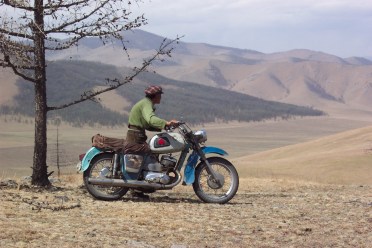 But as the weeks turned into months, frustrations which normally lay buried beneath our busy schedules, began to surface. Restlessness grew. Loneliness and anxiety replaced joy, fuelling uncertainties that wearied souls. Some wondered whether they’d stumbled into a desolate foreign wasteland while others, conversely, savoured the isolation.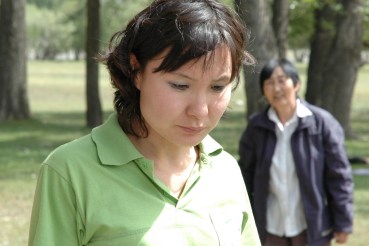
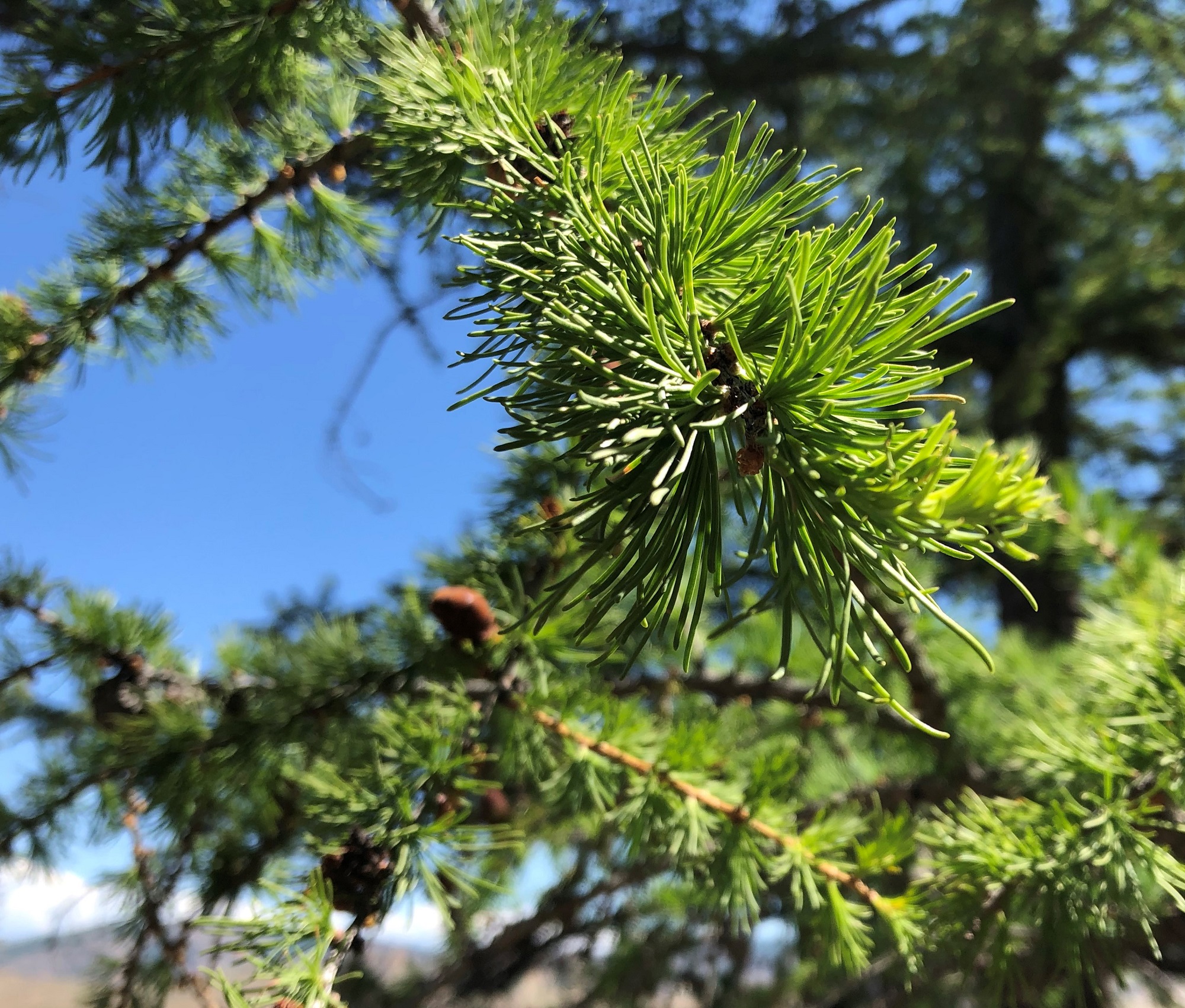 Trees stand with dignity. Full-grown, the beech is a stunning sight. Tall, with its round head, it sways like a jewelled crown of green and yellow in the early summer sunshine. And the English oak is majestic. Unassuming in its vastness, it stands elegant and sturdy. Deeply rooted, it endures almost all that the world throws at it. The oak lives life to the full and, spreading its branches wide, grows old gracefully. Its roots erupt through the earth, twisting and writhing like ancient snakes. Ridged and rough to the touch, the bark reminds me of the leathered face of an old Mongolian herder.
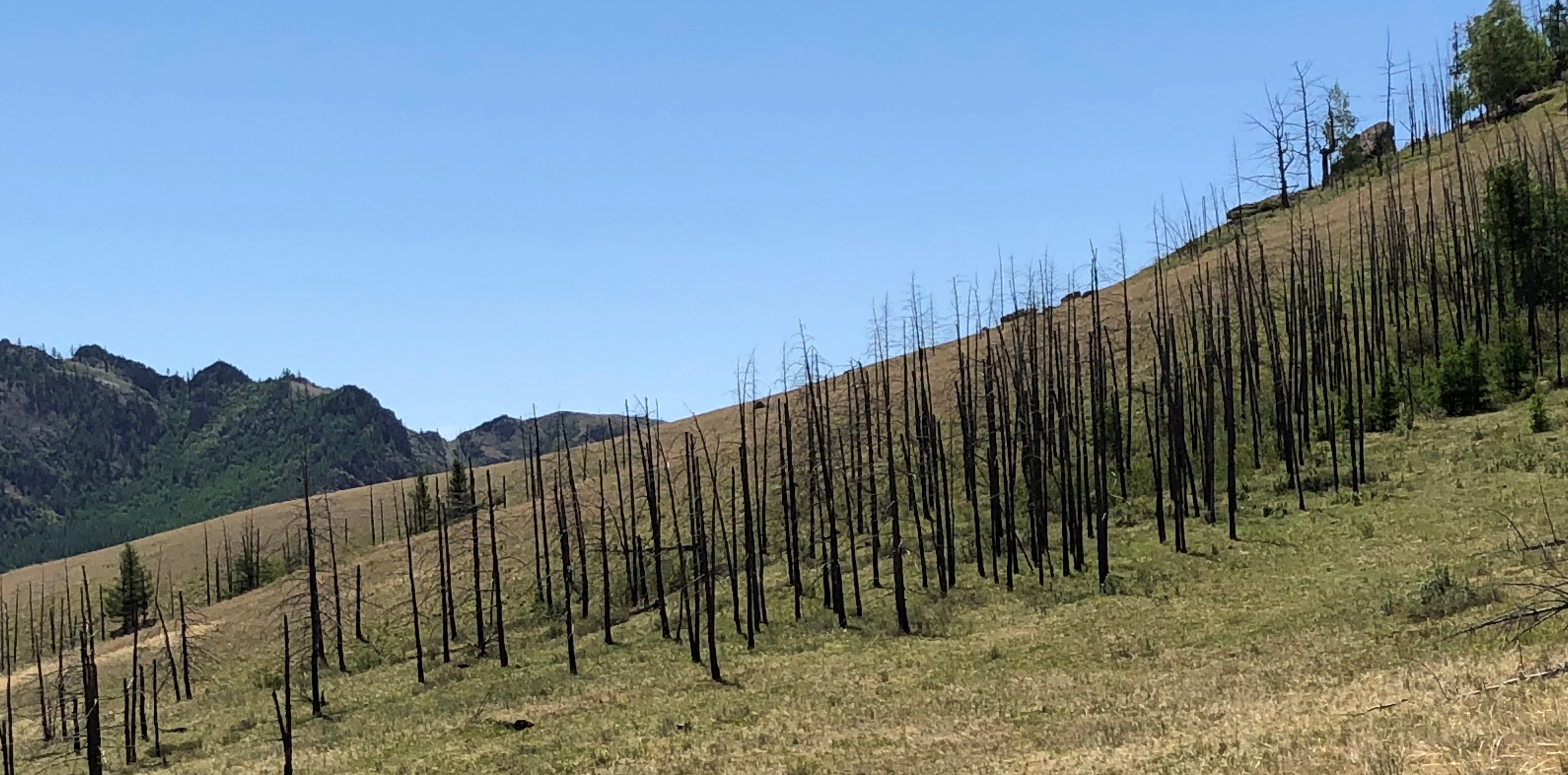 Increased deforestation, the growth of urbanisation and subsequent pollution, have sadly depleted tree numbers here. Consequently, ten years ago, the Mongolian government introduced twice-yearly national tree planting days in May and October. Initially people responded slowly and many newly planted trees died. However, in recent years, people have begun to understand that trees are not only beautiful, but that they also benefit the environment. Trees give out oxygen, store carbon, stabilise the soil and prevent further erosion.
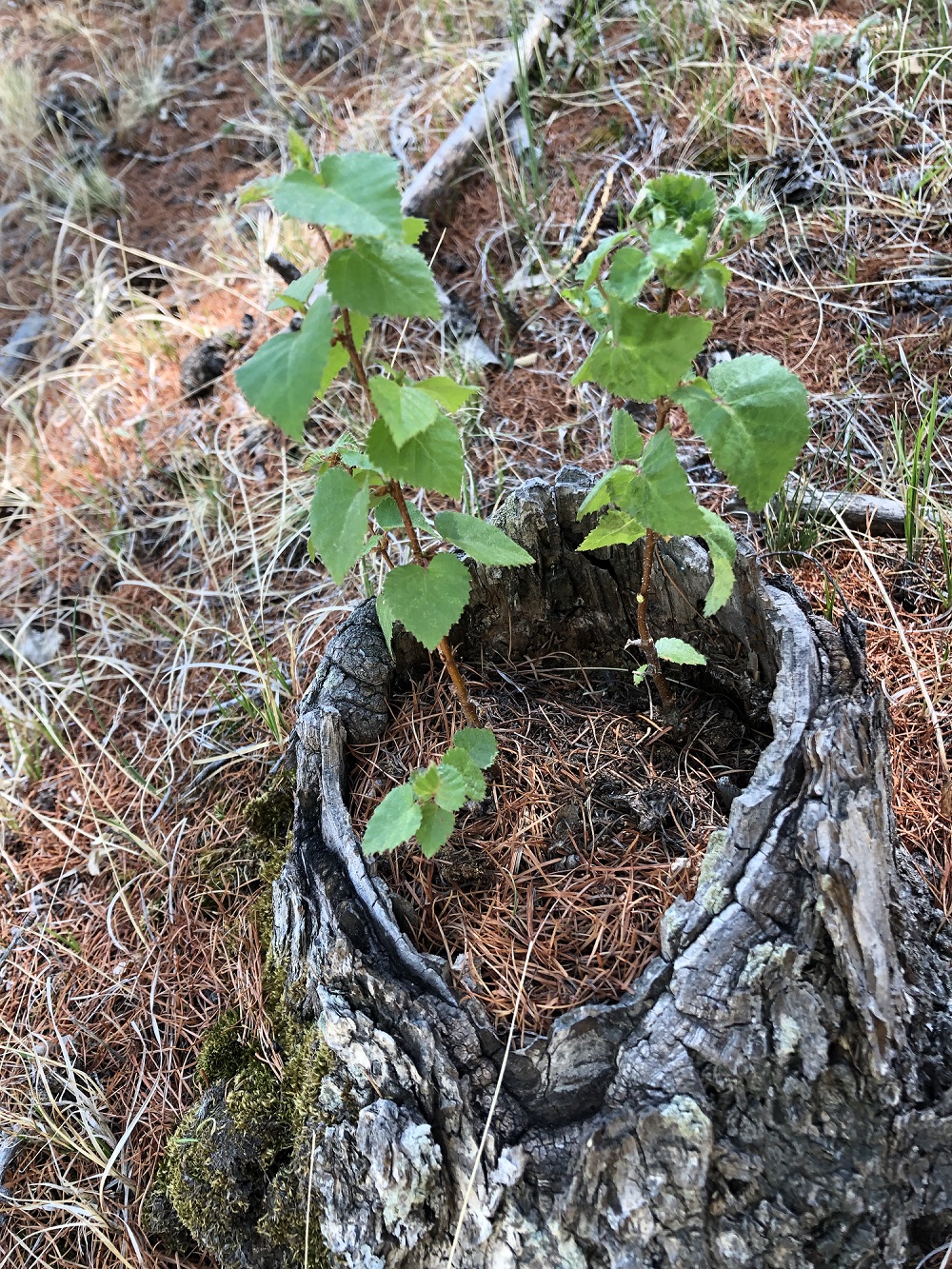 But beyond their beauty and environmental benefits, trees also speak simple, yet profound, spiritual truth into my life. Whether they be giants or tender young saplings, beaten by rain and wind or baked in the sun, they do not easily topple. Pushing their heads towards the light while their roots wriggle further and deeper into the soil, they constantly seek water and nutrients to keep on growing. In due season each bears fruit according its kind: apples, acorns and pine nuts, all of which provide food for others. Yes, trees are a reminder. As they become rooted, they remind me of my daily need to keep on growing in God. And their seemingly long lives jog my memory: there is more than this present moment; there is an eternity to be lived with God.
 While these convictions might be a part of the Mongolian culture, I do not believe that they are unique to Mongolia. To some degree, they exist in every culture. Most people want to be good, or at least be recognised for their fine character. It feels good to be good. Sometimes our virtuous behaviour leaves us with the impression that we understand misery, misfortune, and why others suffer.
 God sent His son, Jesus Christ, into our world. He entered our history, identified with man’s misery and pain, until finally His Father allowed Him to be nailed to the Cross. There, He took the weight of the world’s sin and suffering upon Himself. In that act, God experienced our final agony. The Father was cut off from His Son, and the Son was cut off from His Father. The Son experienced the loss of His Father’s love.
 While that may well be true, it has been horrifying to watch Covid-19 devastate our world. A couple of weeks after the health official’s announcement we watched a videoclip of American doctors and nurses praying. Gathered in a hospital corridor, some wept as they asked God to intervene, to stem the spread of the infection and bring peace and calm to the panicked population of their town. They also asked for healing and for wisdom as they treated patients.
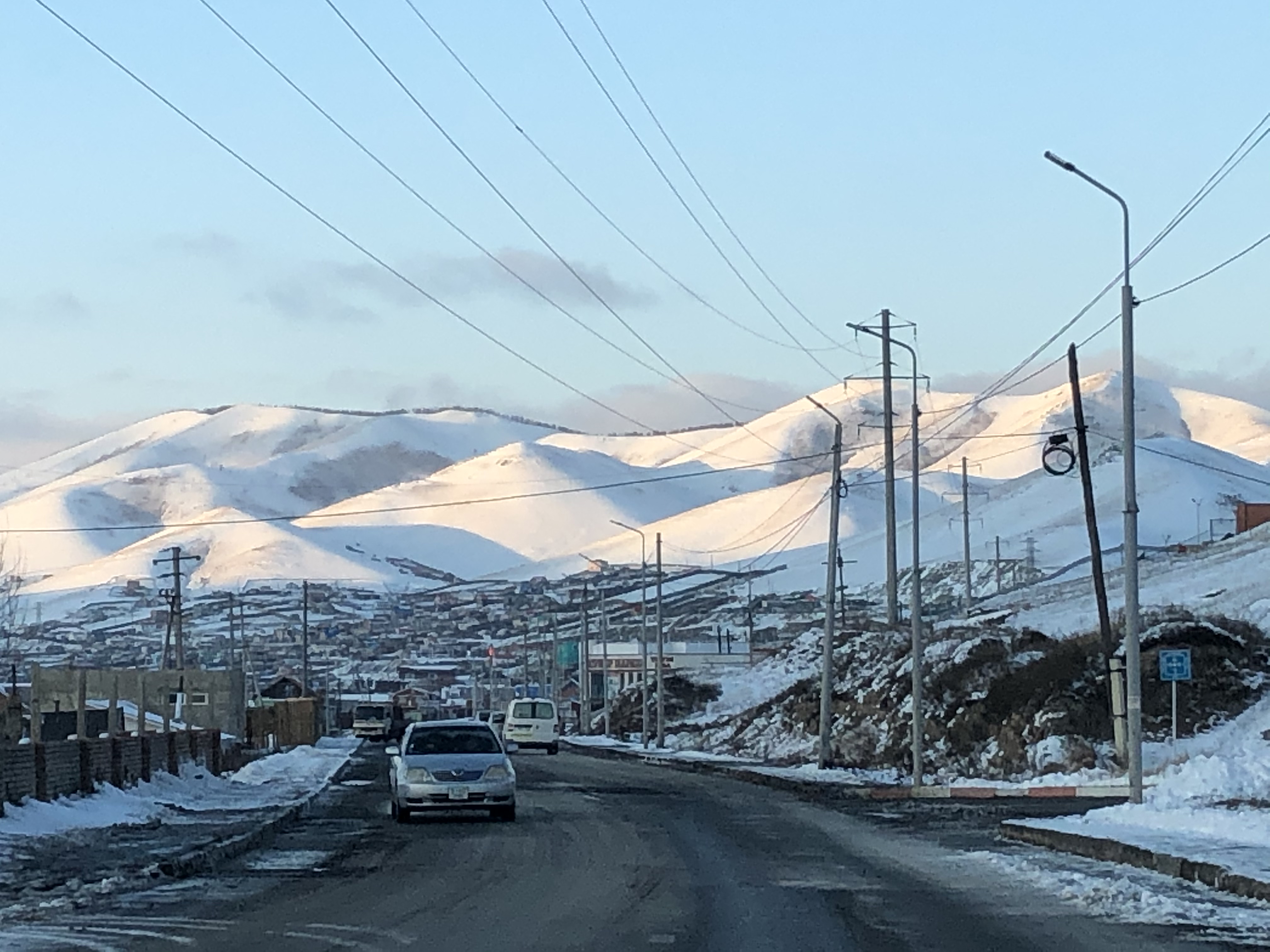 We’d always thought winter tourism could flourish in Mongolia. So, when we heard a recent mention of the ‘Mongol 100’ our ears pricked up. We had no idea what it was but, after a short investigation, we found that a British-based adventure tour company had begun an intriguing winter challenge across the frozen surface of Lake Khovsgol.
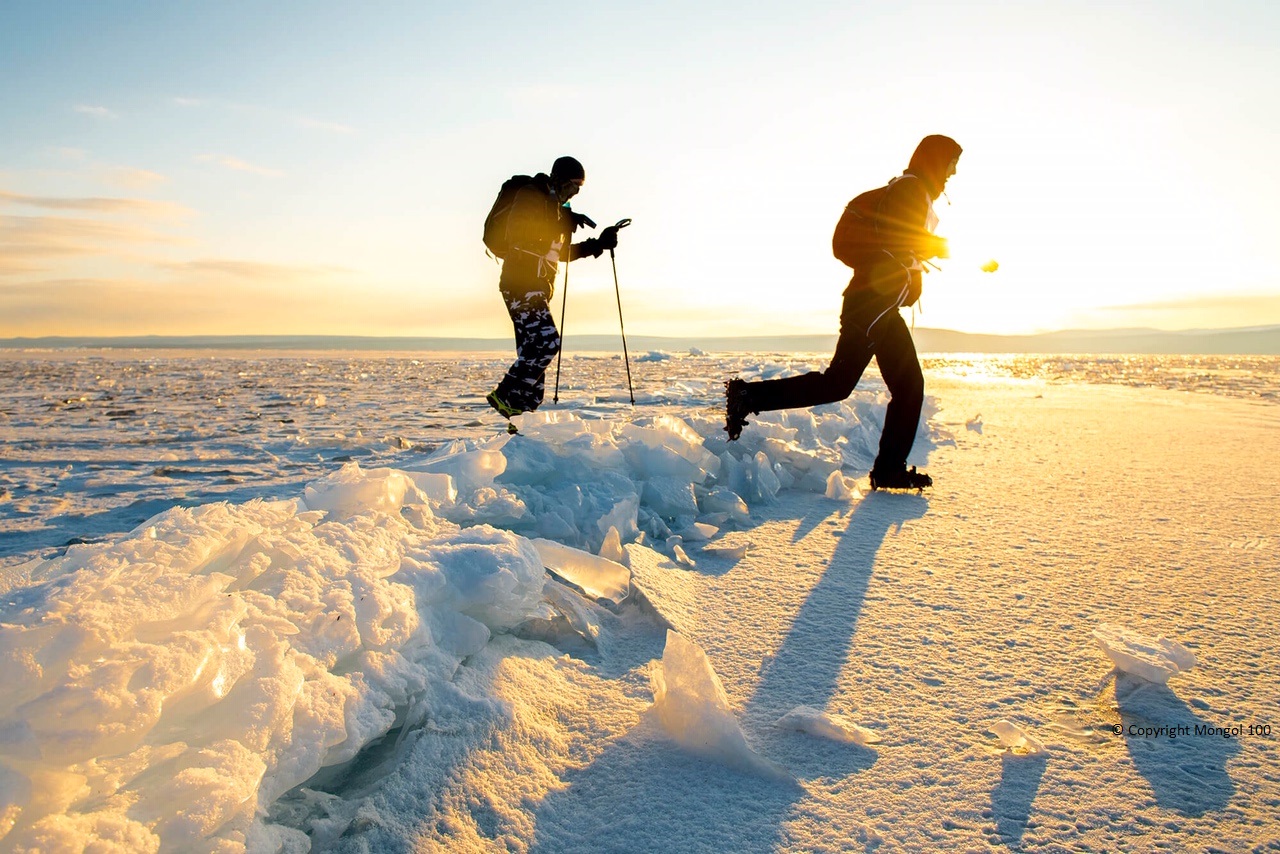 Despite the pain and the discomfort endured, people say they wouldn’t have missed it for the world. Fears were crushed, hardships overcome, and with the challenge completed, the accompanying sense of triumph was precious. They have an accolade to cherish. But they did not achieve it alone. Each participant was rooting for the other, as they did their best to reach the finish. In retelling the adventure there is joy and satisfaction. We did it! But curiously, alongside that there’s a rumbling dissatisfaction, a longing, that hankers for more.
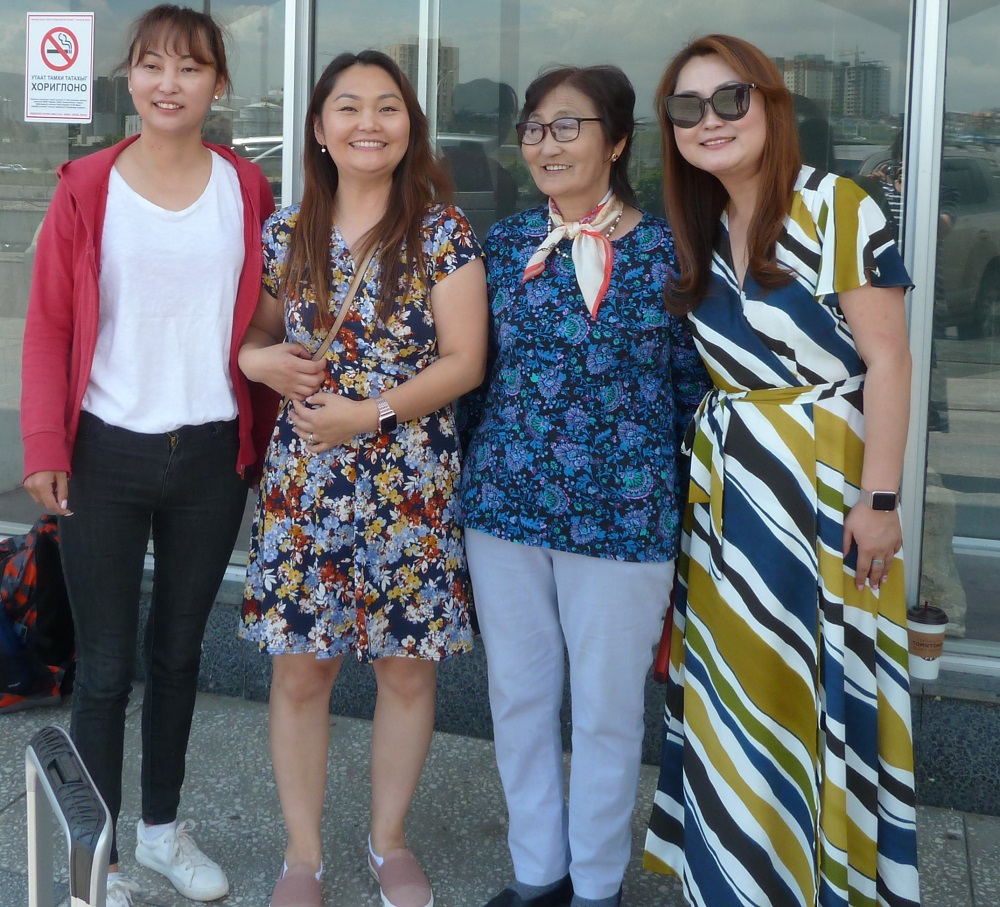 Sometimes, after the initial introduction, there comes that serendipitous moment when we say, ‘What, you too?’ Whether it’s a shared interest, or a philosophy of life, we realise we have a connection with the person standing before us; a connection holds within the seeds of friendship.
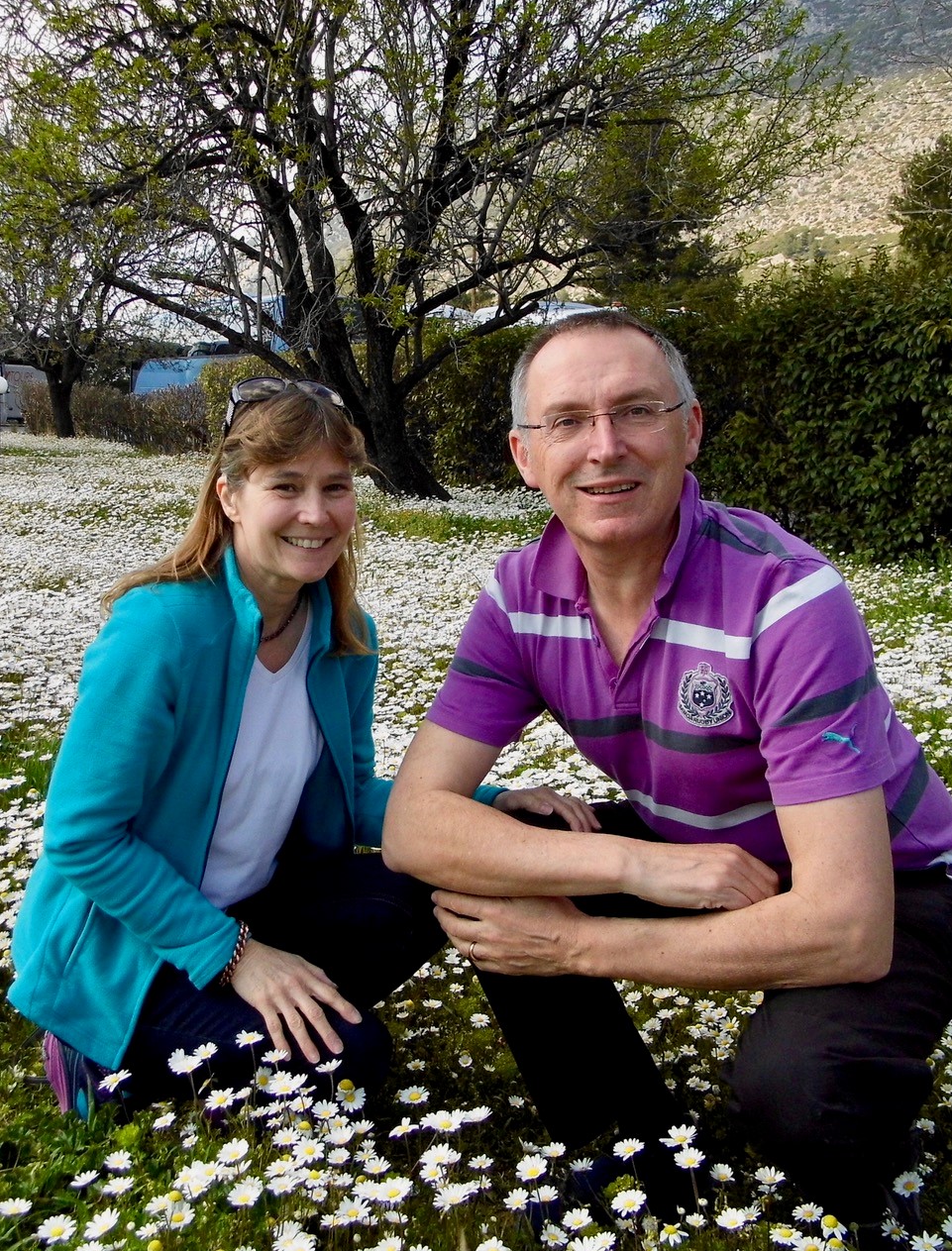 The Bible tells us that a friend can be closer than a relative. Perhaps because, to a degree, they are chosen and relatives are not. A friend is dependable and faithful, loving us whether life is happy or not. Empathising with us in pain and celebrating our joys, they know us to the bottom of our hearts and still love us. Words of truth come from their lips: complimentary words that cause our hearts to swell and corrective words that crash against the wall of our fortified selves.
 Only one friend never, no, never leaves us and never lets us down. Jesus! He is the ultimate friend. The friend who went to hell for me, who endured more pain than I can possibly comprehend, and yet still loves me totally and unreservedly. The one with whom I can have a complete and true emotional connection that frees me from the fear of rejection and fits me to become the person God desires me to be; the friend He created me to be.
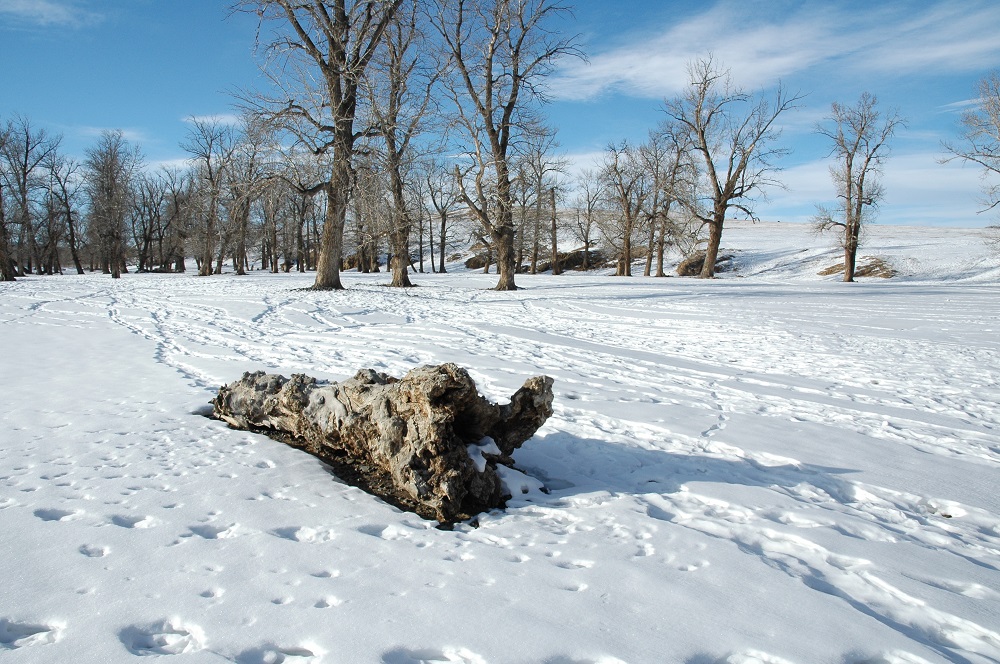 Naturally, fat animals survive the winter better than thin. In the warmer months herders will try to feed their animals up and ensure that they have fodder for the winter, but sometimes the summer grass is meagre and the animals are not strong enough for winter.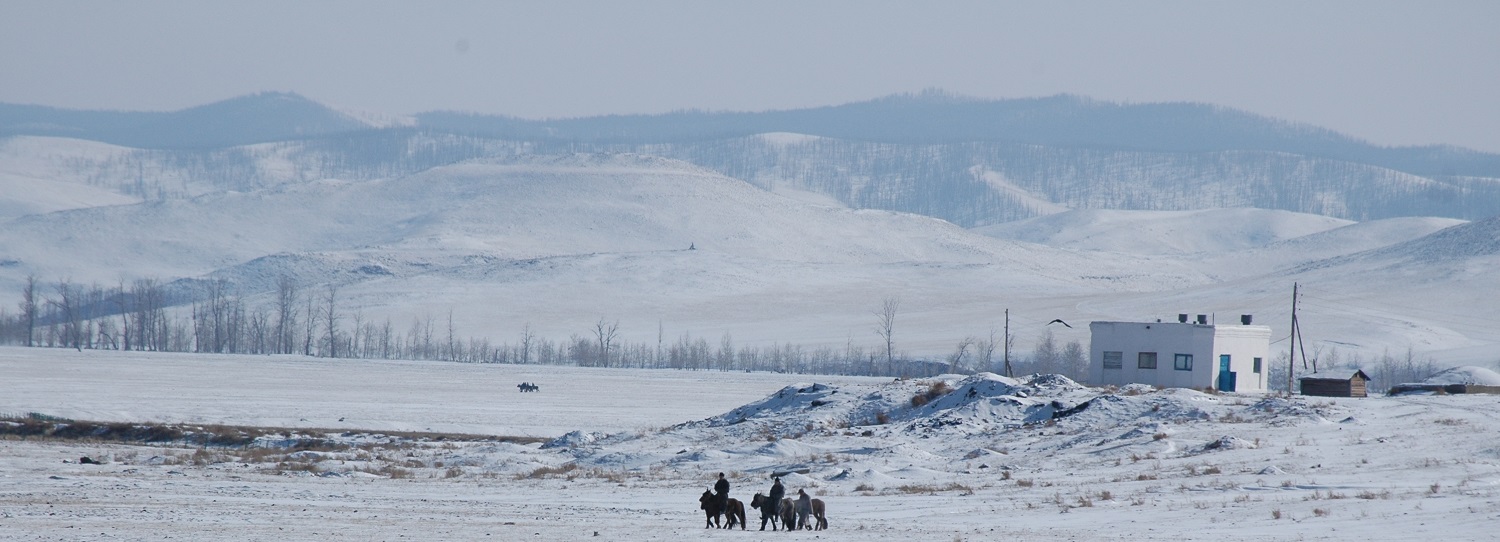
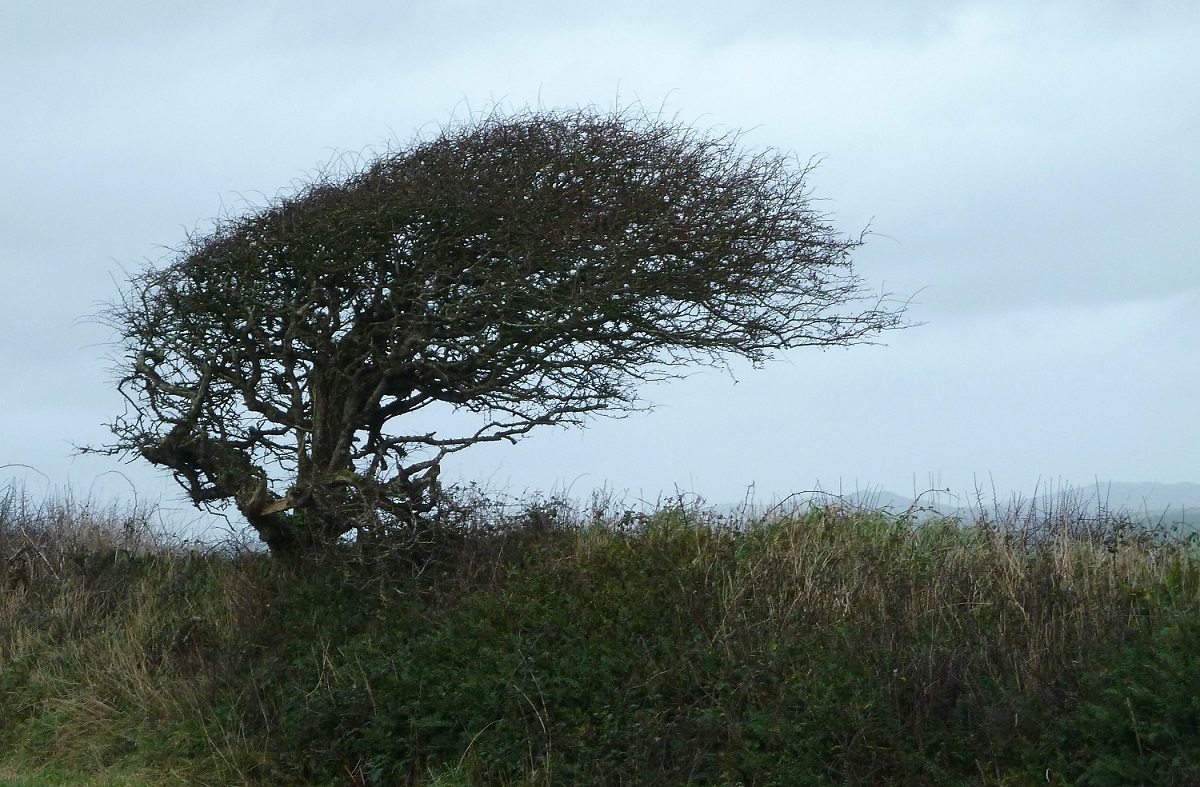 This is a wild place of untamed ocean and largely uninhabited coastline, of secluded beaches and hidden inlets. Standing on the cliff’s edge looking out to sea, it’s easy to imagine smugglers dragging ashore cases of tea and brandy, rum and tobacco.
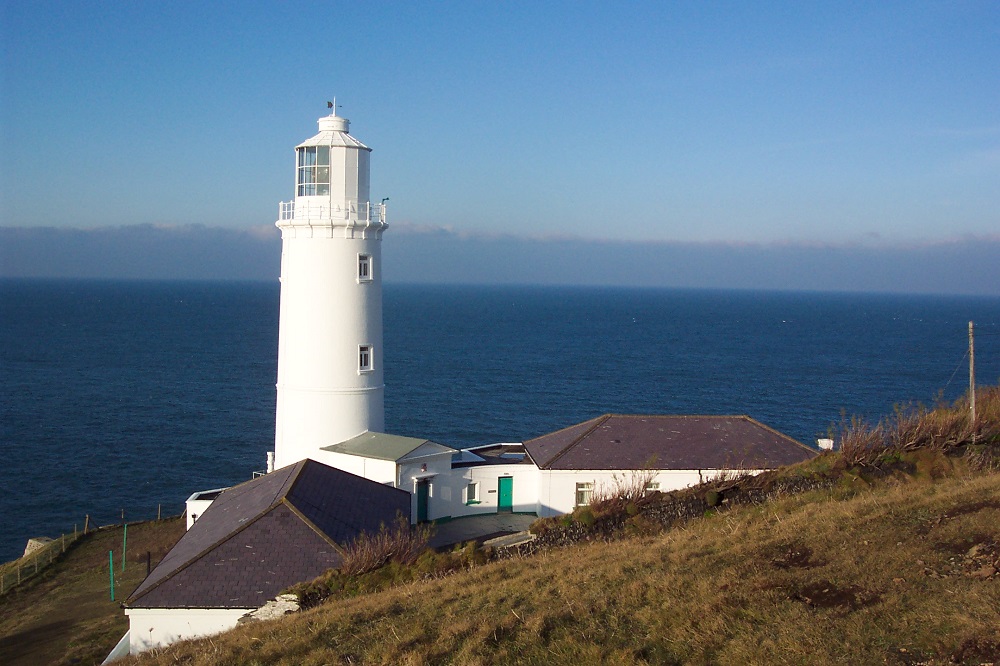 Lighthouses have a long history, the oldest dating from the 3rd century BC. In Britain, the lighthouse was initially a fire lit on the ground. Later that fire was placed on a platform before engineers began the challenging job of designing a tower, like the trunk of an oak constructed from granite, to house the rotating light. Each lighthouse, or series of lighthouses, had a slightly different pattern of signals that allowed the mariner to identify their location.
 longer needed by the seafarer. The keepers have all gone, their homes derelict or turned into fashionable holiday residences. And yet from our Cornish window, the light of Trevose Head, some twenty miles down the coast, can still be seen. Its light is still a beacon solid and stable, offering comfort and continuity, strength and stability to today’s sailors. No matter what the weather, its light is unchanging.
 California is warm, like the Mediterranean. Palm trees, silhouetted against the pastel sky, swirl in the breeze. Our friend tells us California possesses 1,100 miles of magnificent coastline. This is a beautiful state of beaches and turquoise lagoons, mountains and arid desert, fertile valleys and giant trees. It is also a state of equally giant success. Of innovation and entrepreneurs, of entertainers and economic growth that’s touched our world.
 Perhaps this is the essence of salvation − God rescues us. But that’s not all. He doesn’t just leave us dangling. He rescues us that we might live our lives in response to His redeeming hold. God draws us into a love relationship with Him which, when lived out in simple, sincere obedience to His word, instructs us in healthy disciplines that develop a life of faith. Distinctive new boundaries take root; boundaries that support and preserve our faith in God and hold us in our permanent home with Him.
 Nomadic Pages