There’s a general underlying belief, spoken or unspoken, amongst many Mongolians that good things happen to good people, and bad things happen to people who’ve done wrong, or have hidden sin. Such beliefs underpin a merit-making society, whereby people through good acts gain acceptance and respect. Some even believe that careful good behaviour can divert misfortune.
 While these convictions might be a part of the Mongolian culture, I do not believe that they are unique to Mongolia. To some degree, they exist in every culture. Most people want to be good, or at least be recognised for their fine character. It feels good to be good. Sometimes our virtuous behaviour leaves us with the impression that we understand misery, misfortune, and why others suffer.
Perhaps such judgements expose our fears or, conversely, affirm our self-image as we seek to convince ourselves that we really are in control of our lives. But world events speak to the contrary. We live in a broken world, which we do not control. Misery and misfortune come unbidden. And to my eye, seem unevenly distributed because the innocent still suffer.
The Bible tells us that God is sovereign, that His love is unconditional, that He is with us in anguish and heartbreak, and that He can use pain for our good and His glory. Such truth is an antithesis to a world that strategises ways to live beyond or eradicate suffering.
Yet we can neither live beyond pain nor eradicate it from our lives. But we do have a choice. We can live in anxiety, pain and paralysing fear, or we can trust God. In trusting God, we find peace and realise that He understands our despair because He has experienced it first-hand. He is not immune to misery and suffering.
 God sent His son, Jesus Christ, into our world. He entered our history, identified with man’s misery and pain, until finally His Father allowed Him to be nailed to the Cross. There, He took the weight of the world’s sin and suffering upon Himself. In that act, God experienced our final agony. The Father was cut off from His Son, and the Son was cut off from His Father. The Son experienced the loss of His Father’s love.
Ultimately that’s what misfortune, suffering and death does. It separates and deprives us of our loved ones. Knowing that God has experienced this, gives us the opportunity to draw comfort from Him. We are not alone. He has walked this way before us. He walks with us now.
In our own strength, we cannot be good. We probably can’t explain the days we live in either. But there is one thing we can know with certainty: God is trustworthy. We can throw ourselves on Him for He will sustain us.
© copyright Gillian Newham 2020
 While that may well be true, it has been horrifying to watch Covid-19 devastate our world. A couple of weeks after the health official’s announcement we watched a videoclip of American doctors and nurses praying. Gathered in a hospital corridor, some wept as they asked God to intervene, to stem the spread of the infection and bring peace and calm to the panicked population of their town. They also asked for healing and for wisdom as they treated patients.
 We’d always thought winter tourism could flourish in Mongolia. So, when we heard a recent mention of the ‘Mongol 100’ our ears pricked up. We had no idea what it was but, after a short investigation, we found that a British-based adventure tour company had begun an intriguing winter challenge across the frozen surface of Lake Khovsgol.
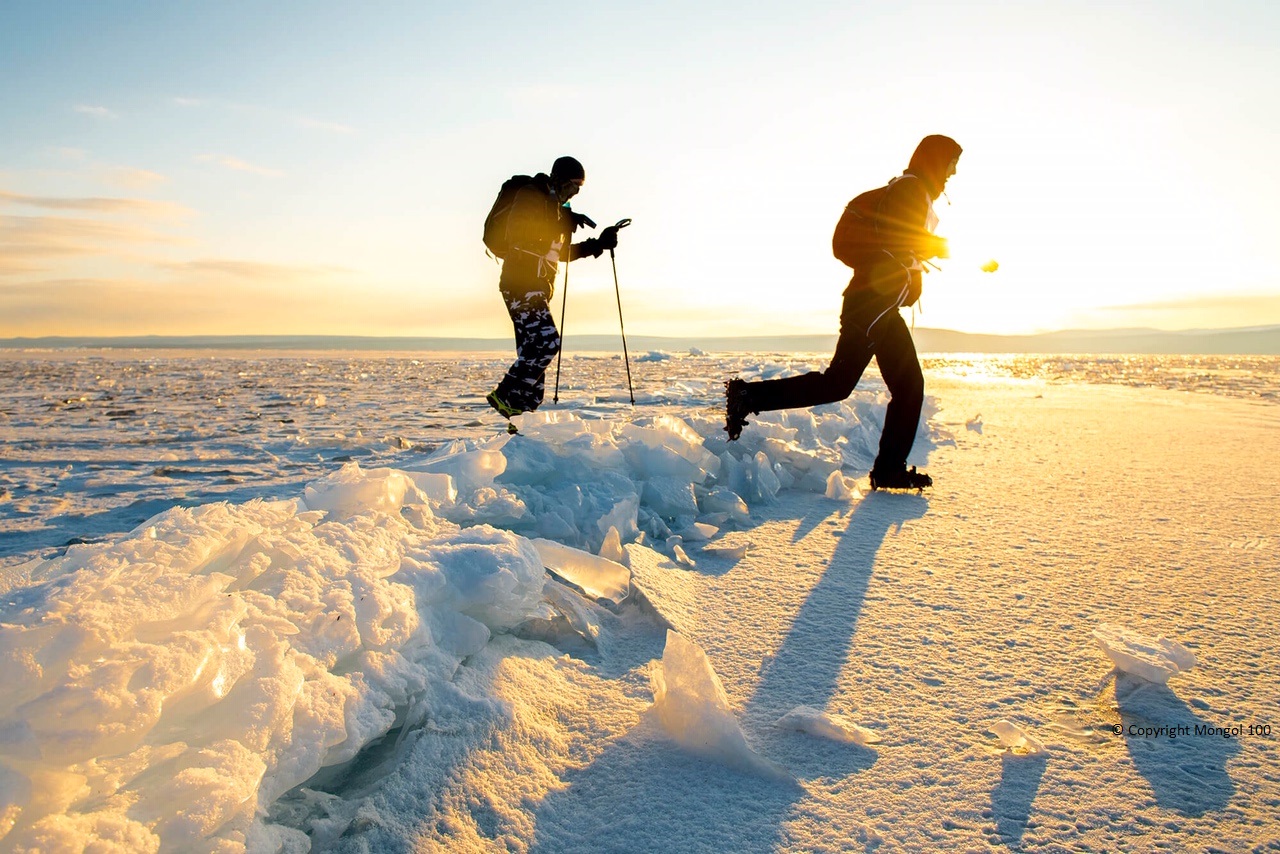 Despite the pain and the discomfort endured, people say they wouldn’t have missed it for the world. Fears were crushed, hardships overcome, and with the challenge completed, the accompanying sense of triumph was precious. They have an accolade to cherish. But they did not achieve it alone. Each participant was rooting for the other, as they did their best to reach the finish. In retelling the adventure there is joy and satisfaction. We did it! But curiously, alongside that there’s a rumbling dissatisfaction, a longing, that hankers for more.
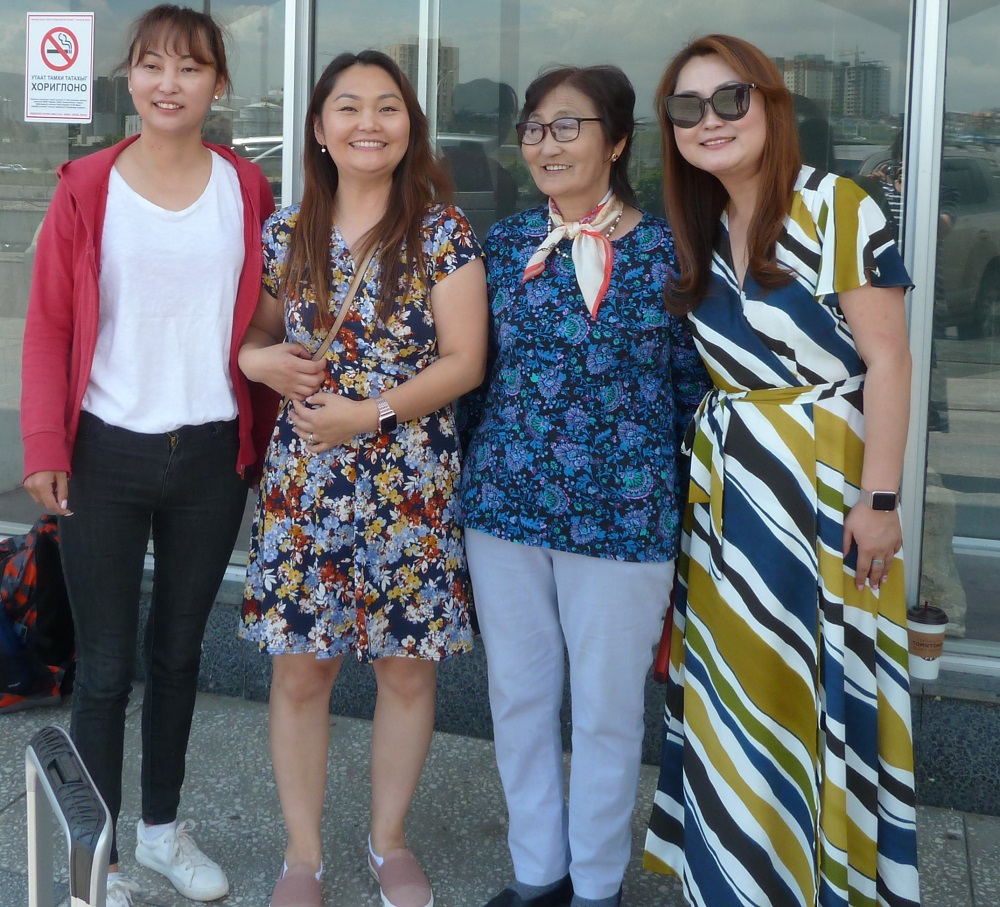 Sometimes, after the initial introduction, there comes that serendipitous moment when we say, ‘What, you too?’ Whether it’s a shared interest, or a philosophy of life, we realise we have a connection with the person standing before us; a connection holds within the seeds of friendship.
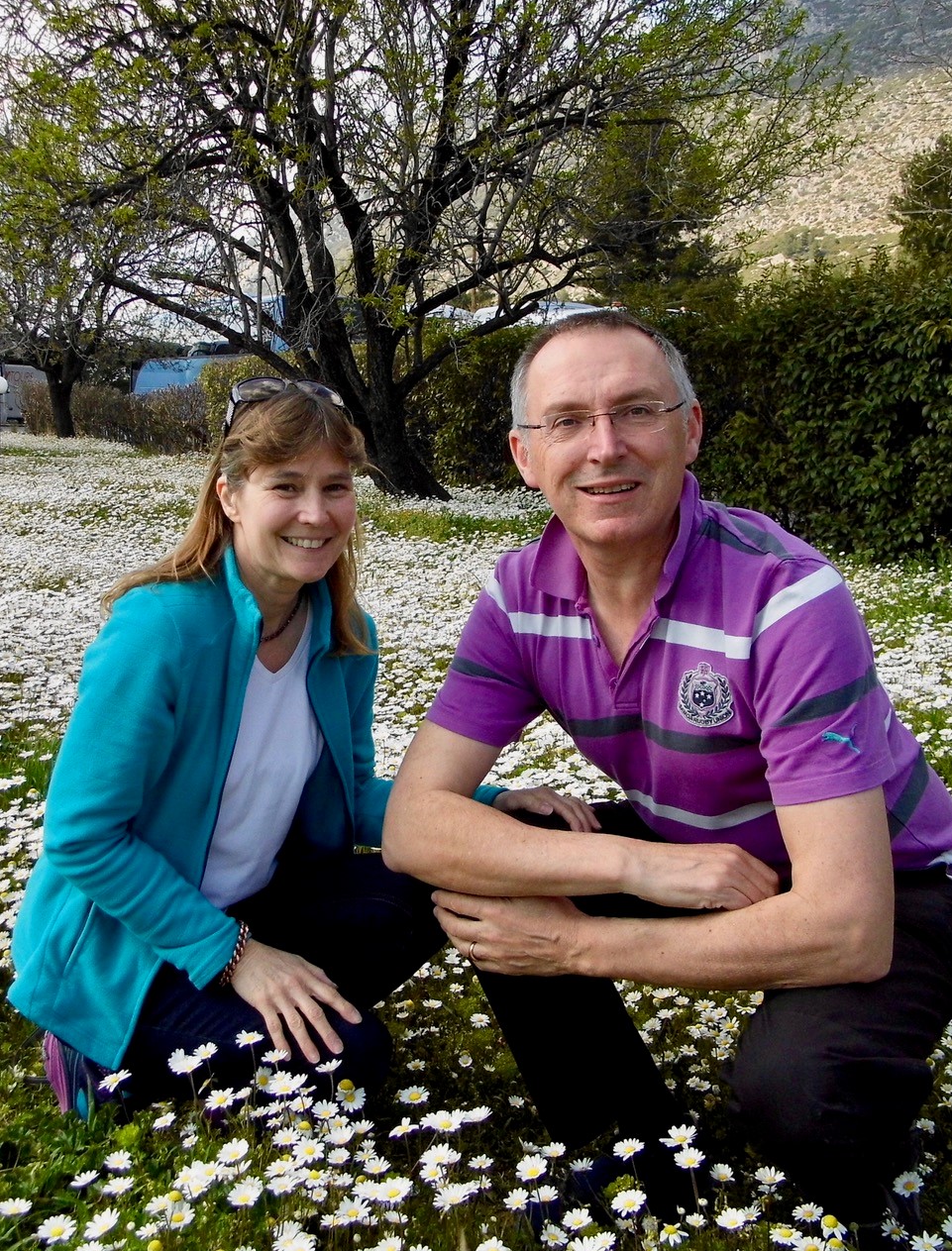 The Bible tells us that a friend can be closer than a relative. Perhaps because, to a degree, they are chosen and relatives are not. A friend is dependable and faithful, loving us whether life is happy or not. Empathising with us in pain and celebrating our joys, they know us to the bottom of our hearts and still love us. Words of truth come from their lips: complimentary words that cause our hearts to swell and corrective words that crash against the wall of our fortified selves.
 Only one friend never, no, never leaves us and never lets us down. Jesus! He is the ultimate friend. The friend who went to hell for me, who endured more pain than I can possibly comprehend, and yet still loves me totally and unreservedly. The one with whom I can have a complete and true emotional connection that frees me from the fear of rejection and fits me to become the person God desires me to be; the friend He created me to be.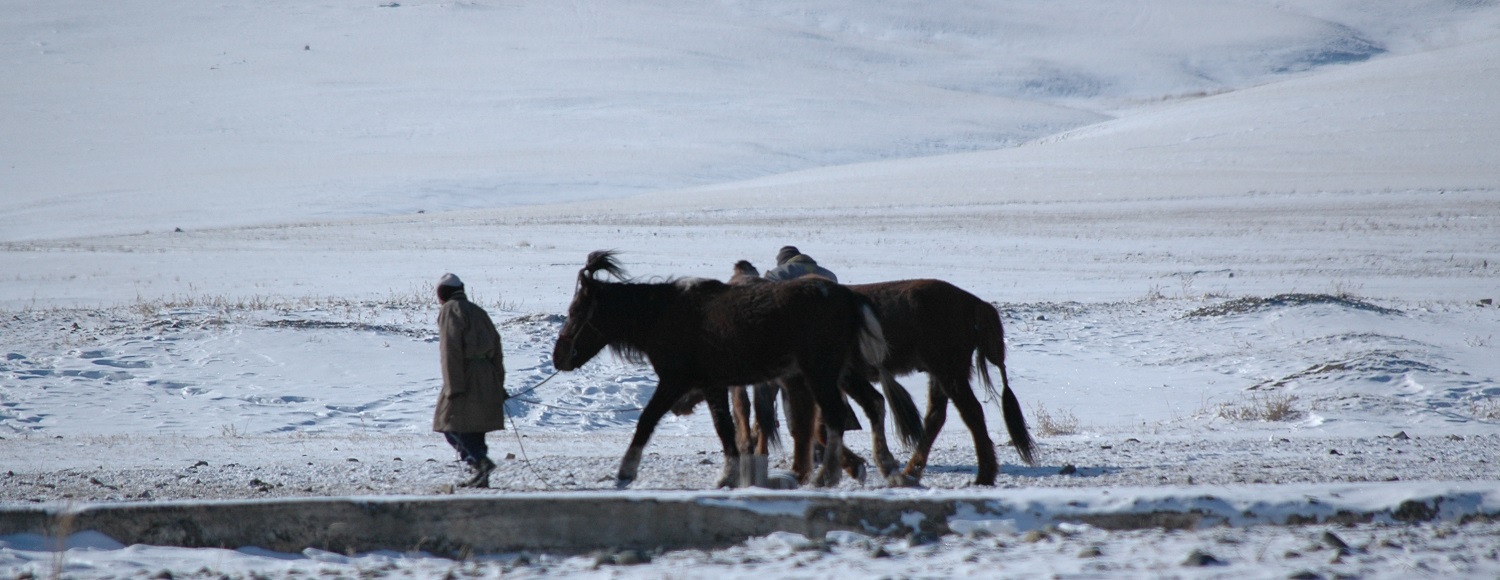
 Naturally, fat animals survive the winter better than thin. In the warmer months herders will try to feed their animals up and ensure that they have fodder for the winter, but sometimes the summer grass is meagre and the animals are not strong enough for winter.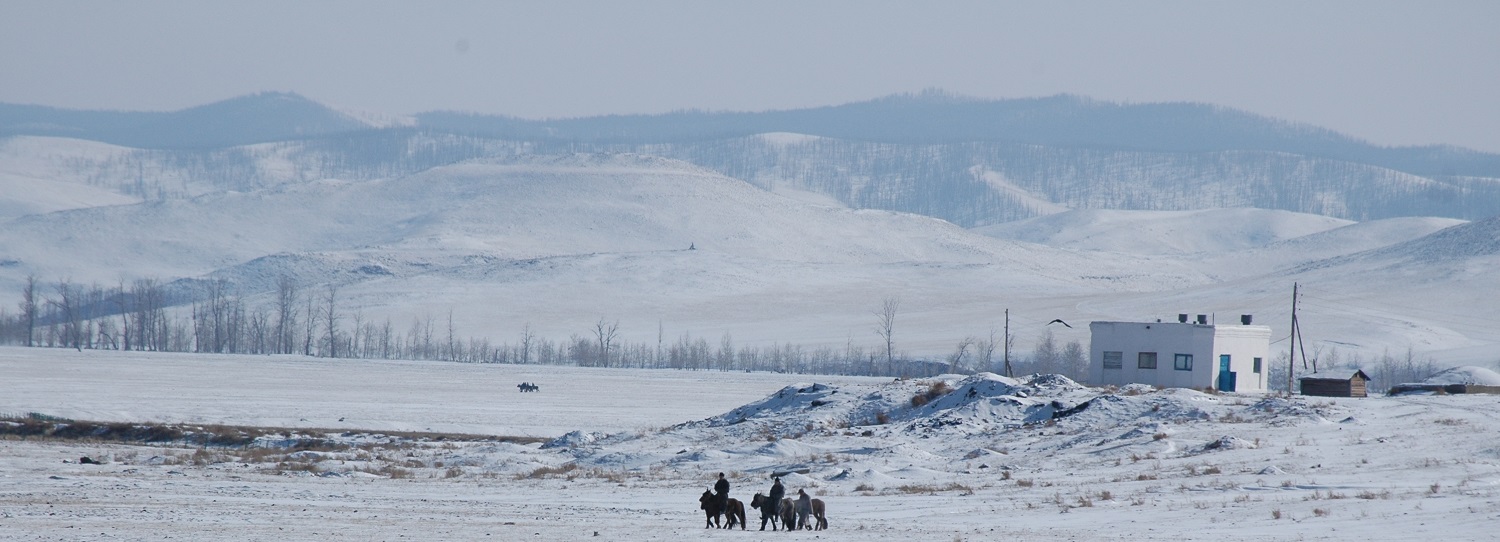
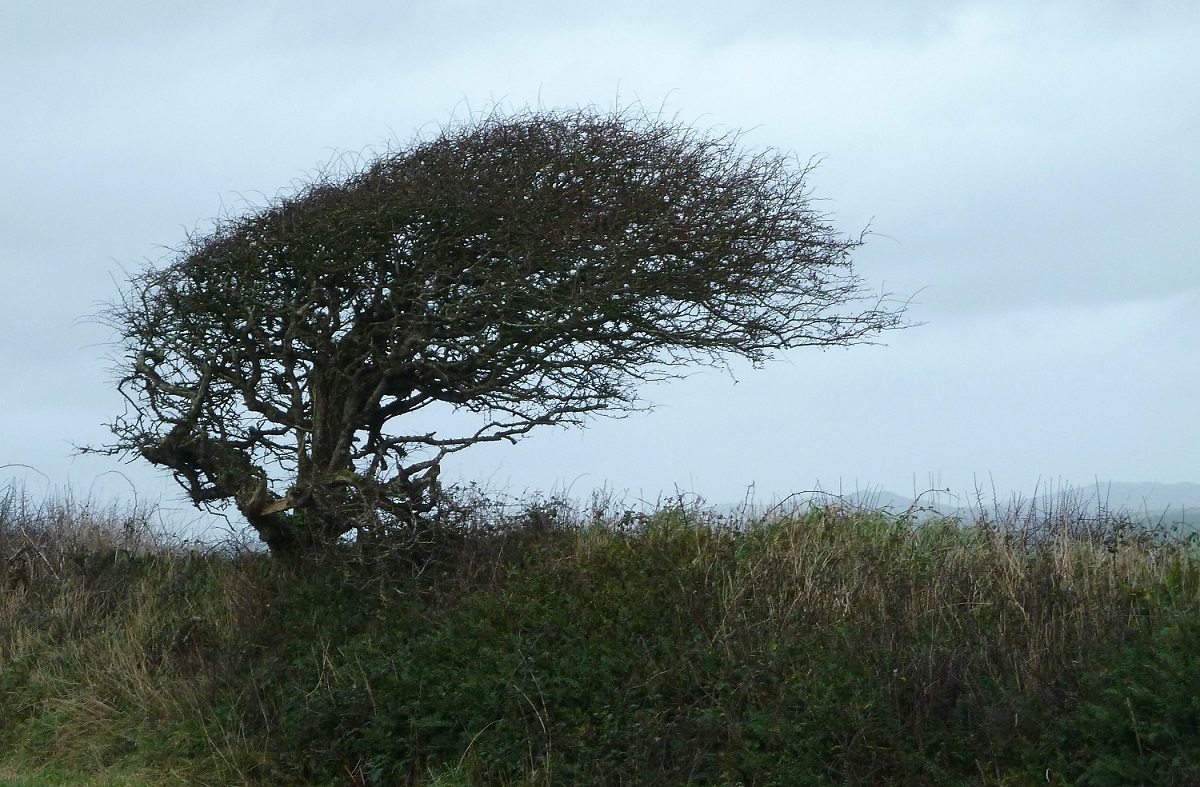 This is a wild place of untamed ocean and largely uninhabited coastline, of secluded beaches and hidden inlets. Standing on the cliff’s edge looking out to sea, it’s easy to imagine smugglers dragging ashore cases of tea and brandy, rum and tobacco.
 Lighthouses have a long history, the oldest dating from the 3rd century BC. In Britain, the lighthouse was initially a fire lit on the ground. Later that fire was placed on a platform before engineers began the challenging job of designing a tower, like the trunk of an oak constructed from granite, to house the rotating light. Each lighthouse, or series of lighthouses, had a slightly different pattern of signals that allowed the mariner to identify their location.
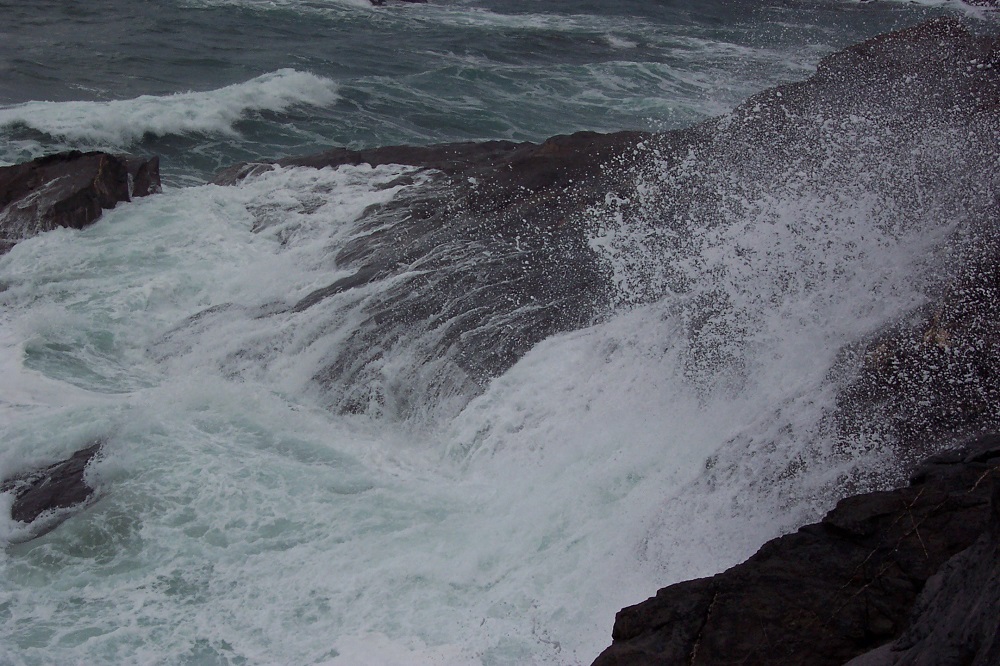 longer needed by the seafarer. The keepers have all gone, their homes derelict or turned into fashionable holiday residences. And yet from our Cornish window, the light of Trevose Head, some twenty miles down the coast, can still be seen. Its light is still a beacon solid and stable, offering comfort and continuity, strength and stability to today’s sailors. No matter what the weather, its light is unchanging.
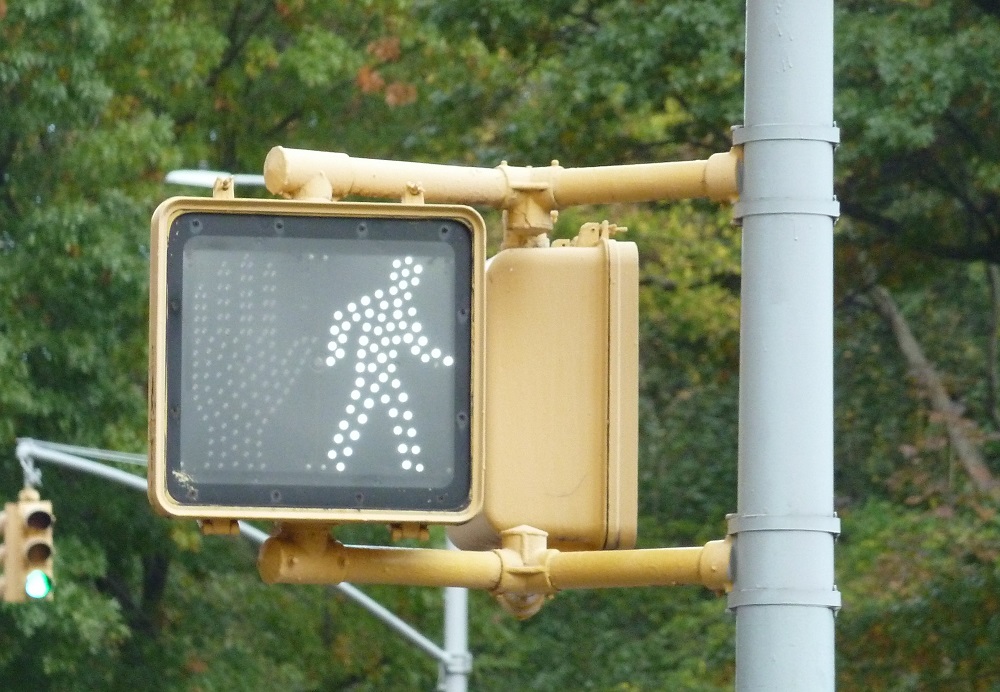 California is warm, like the Mediterranean. Palm trees, silhouetted against the pastel sky, swirl in the breeze. Our friend tells us California possesses 1,100 miles of magnificent coastline. This is a beautiful state of beaches and turquoise lagoons, mountains and arid desert, fertile valleys and giant trees. It is also a state of equally giant success. Of innovation and entrepreneurs, of entertainers and economic growth that’s touched our world.
 Perhaps this is the essence of salvation − God rescues us. But that’s not all. He doesn’t just leave us dangling. He rescues us that we might live our lives in response to His redeeming hold. God draws us into a love relationship with Him which, when lived out in simple, sincere obedience to His word, instructs us in healthy disciplines that develop a life of faith. Distinctive new boundaries take root; boundaries that support and preserve our faith in God and hold us in our permanent home with Him.
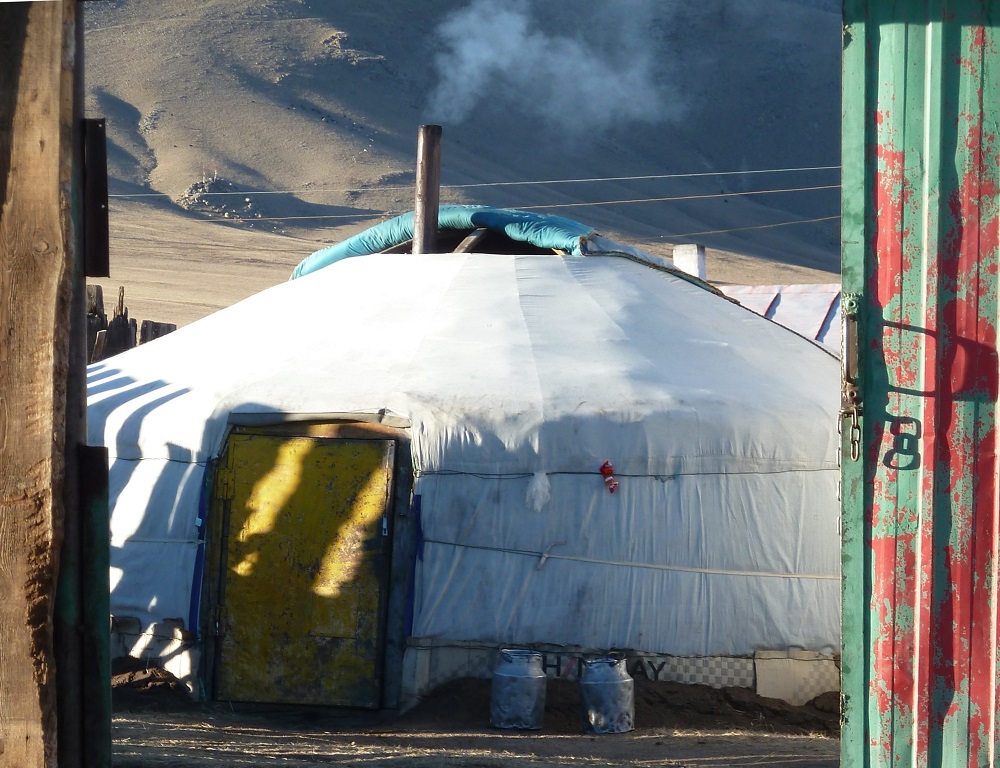 We grinned, recalling the number of times we’ve seen travelling Mongolians produce a bag containing such meat. Rubbing it between their fingers, they’d crumbled the beef onto their food, adding a tasty supplement to meatless soups and bland vegetables. Few families, particularly those in the cities, dry meat but everyone relishes the flavour.
 “Which must make life easier for them,” I added.
 Flowers begin to fade and petals fall. Leaves, tinged with gold, spin silently earthwards, while the short season of rain saturates the woods, leaving them filled with a humid sweetness that draws fungi to life. Red and yellow minute umbrellas, tiny white puff balls and brown sombreros cover the decaying floor. Blueberry and lingonberry, sea buckthorn and cranberry shine on bowed branches, beckoning pickers to gather their bounty.
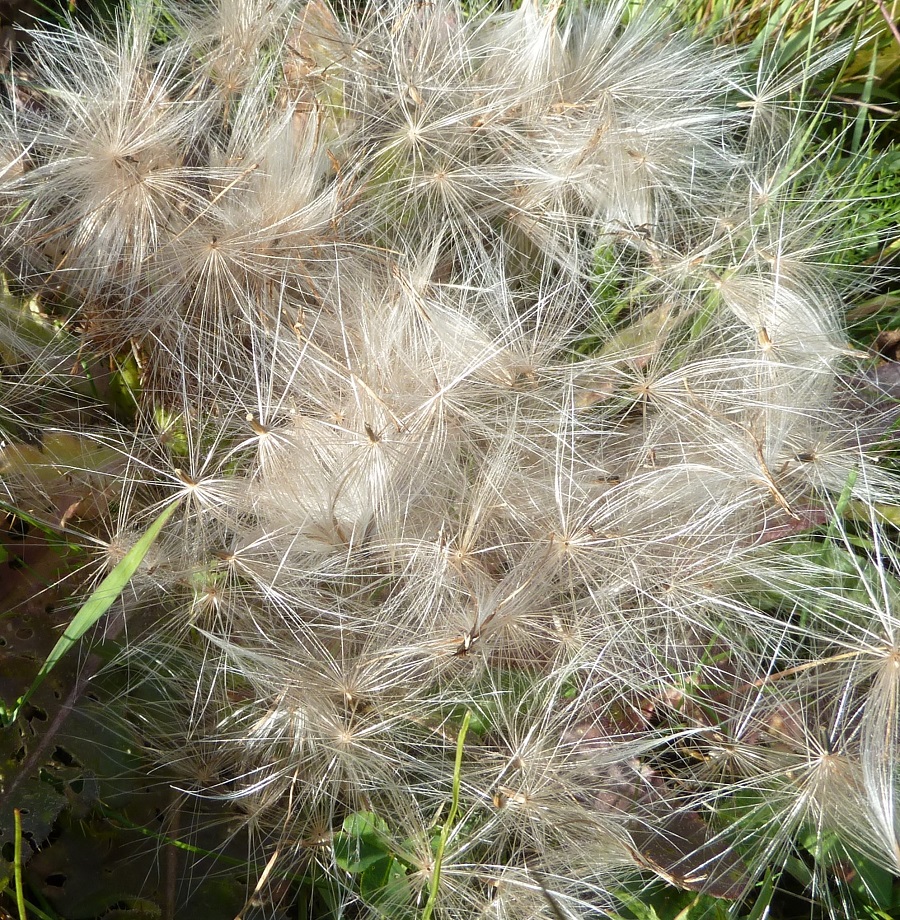 Before that new growth comes, however, we must endure the demanding season of winter. It is strange to think of winter when life is so full and the trees are still bright. But the time when all appears dried up or just plain dead will come. I wonder whether that knowledge intensifies the beauty of autumn?
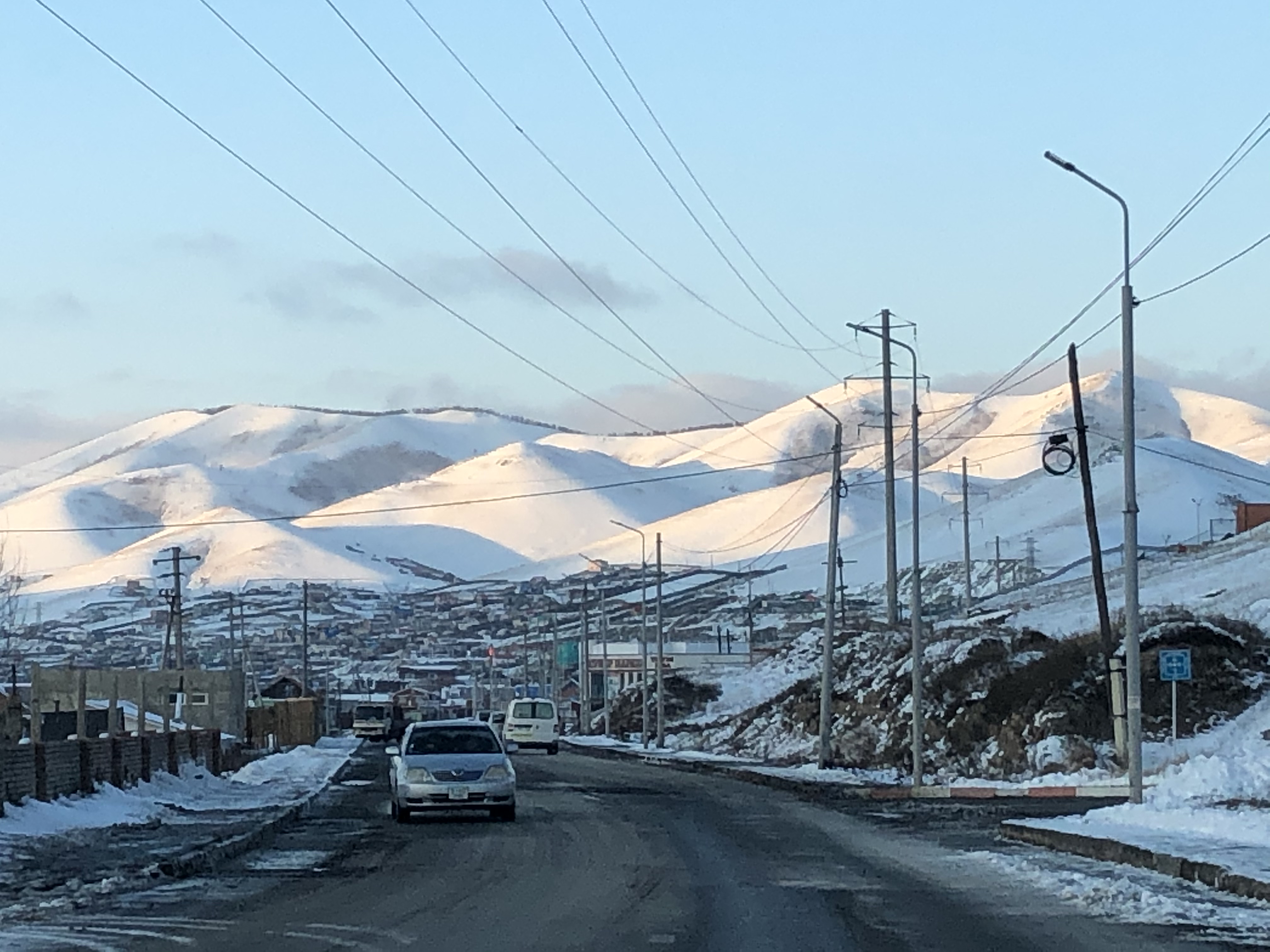
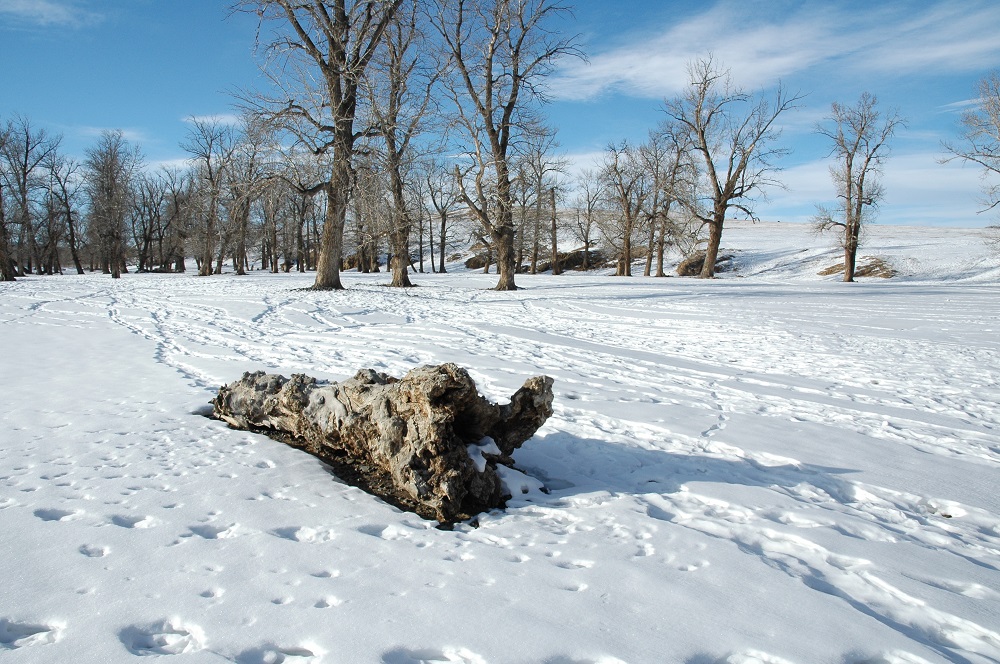
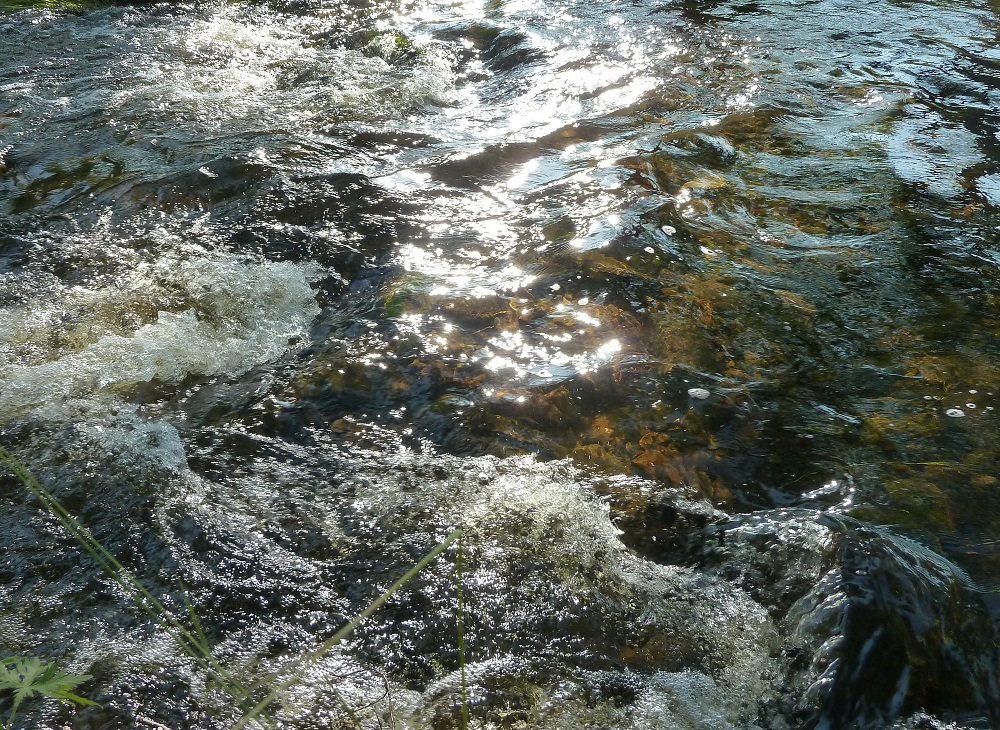 The winter here is barren, long and harsh. The brilliant sun and clear skies cover a snow-covered land devoid of growth. Yet contrary to appearances, this landscape is not dead. Come spring the land will turn green, wildlife will awaken, flowers bloom and the trees brim with leaves.
