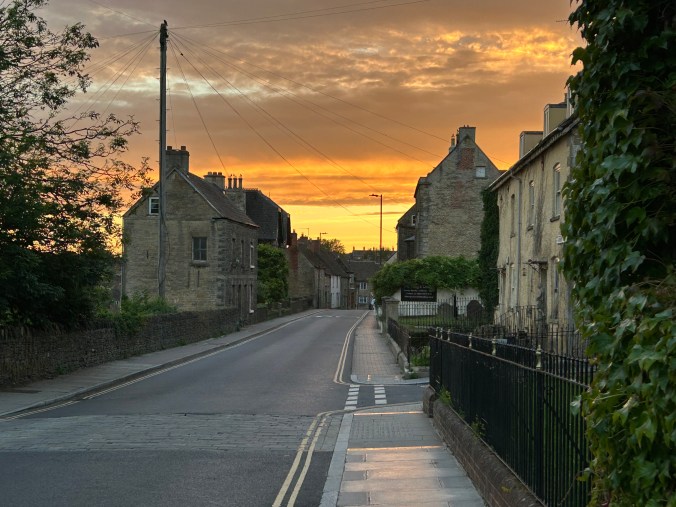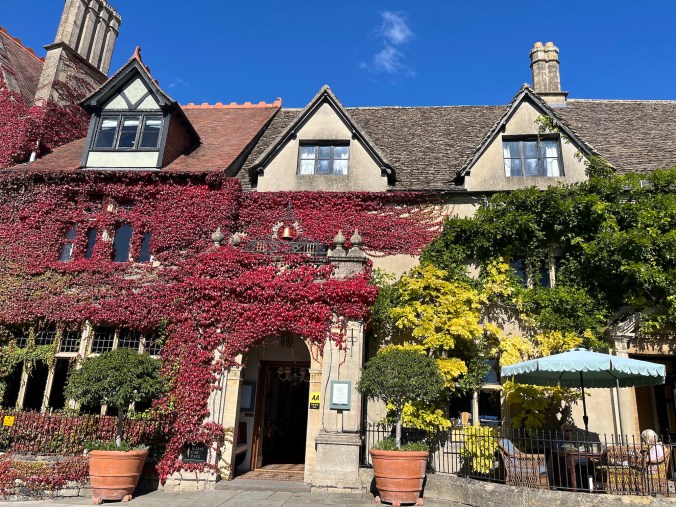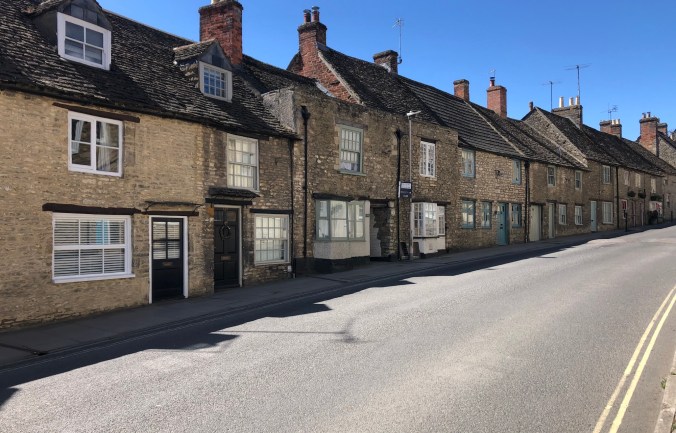
The old man, his tall frame bent and withered, stands in his open doorway. Like so many who live in the centre of our small town, his front door opens directly onto the street. Physically, the man is a shadow of his former self, yet his eyes sparkle with warmth. He has lived here a long time and is a beloved, familiar figure.
He greets neighbours and passersby, talks to parents taking their children to and from school, and waves at those in their cars. Connection is important to him and those daily conversations vital. It is not easy for him to reach his front door, but his limitations do not distract him from the wisdom of keeping his friendships.
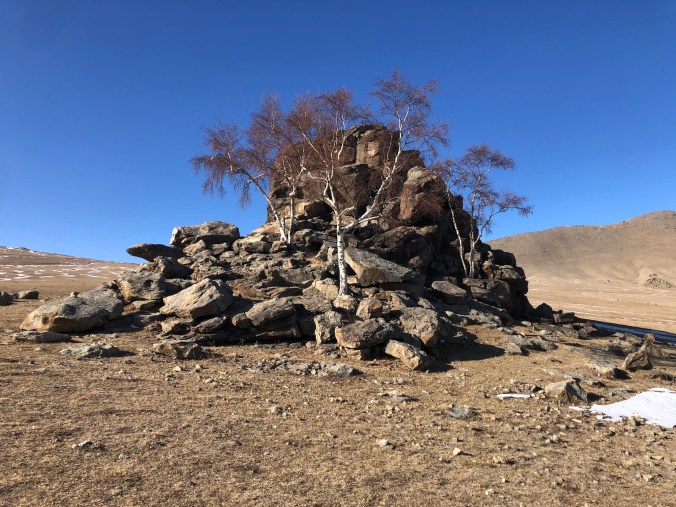
His bent form reminds me of another elderly wise man we used to meet as we walked the hills outside Ulaanbaatar. Basan-Huu was also bent and withered, yet he too was not diverted from his purpose. We would find him crouched on his hunches watching his small flock of sheep. Our conversations were always engaging as he took a lively interest in us. But when our talk was complete, he’d rise and call his sheep.
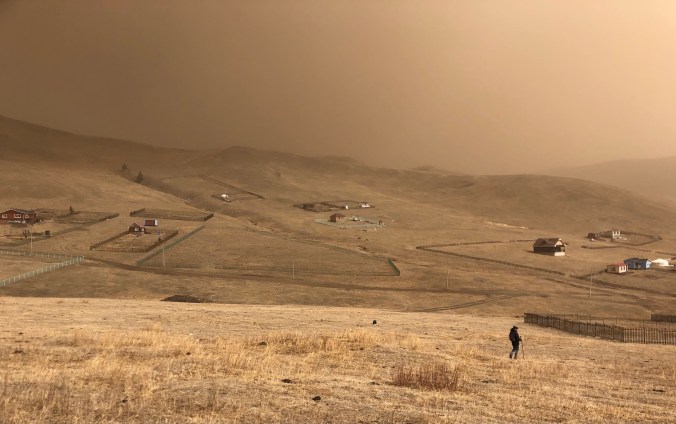
Sometimes he would lead them. Sometimes he would follow them. But always, with simple trust, they responded to his voice. Alone in that vast landscape, he and his sheep were isolated, without phone connection and at the mercies of the elements. The steppe can be a dangerous place of predators and wildness. Hungry wolves easily devour a sheep. Sudden dust storms arise from nowhere, while fierce heat and burning cold can overtake any shepherd who is unprepared for the changing nature of the countryside.
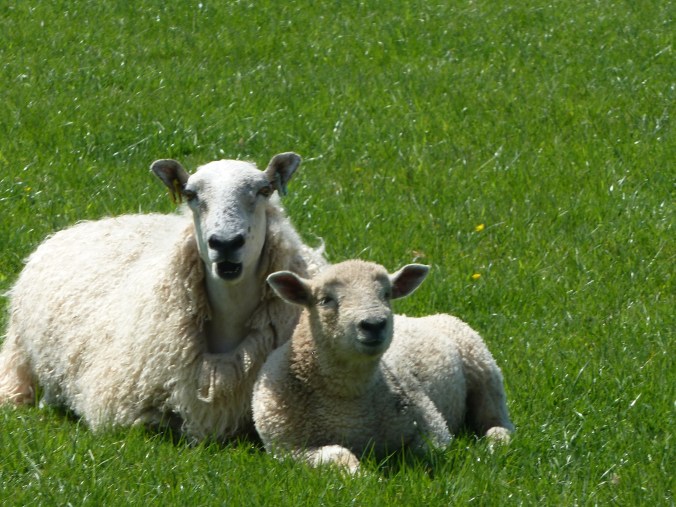
Yet a good shepherd seeks to ensure that his flock is safe and have all that they require. In truth, a sheep’s needs are quite basic and few. They need food, water, a place to dwell, peace and that beautiful sense of security that keeps them content. I can’t help but think their needs are not too dissimilar to our ultimate needs. We too need sustenance, a safe place to dwell, security and the reality of true belonging.
With its adverts and schemes, the world subtly tries to offer us all of the above. It informs us that we won’t be happy, entertained or healthy without this vitamin supplement, new kitchen or car. Its ever-increasing list of must-have material items may give short-term satisfaction, but ultimately that satisfaction doesn’t endure. The advertisers cannot fulfil their claims and promises. But we know the One who can fulfil all his promises.
And yes, we all need physical, emotional and spiritual sustenance. Consciously or unconsciously, the old man standing in his doorway recognises this. He knows he needs connection and conversation, that ongoing sense of belonging, which is so valuable in times of isolation. Yet, precious as it is, it is not sufficient. We all also need to be under the care of a shepherd. The good shepherd, our Lord and God, is the only one who never leaves us, who provides for us and, despite dangers and uncertainties, leads us to the place where we can dwell peacefully, secure without want.
© copyright Gillian Newham 2026