Do you trust me?

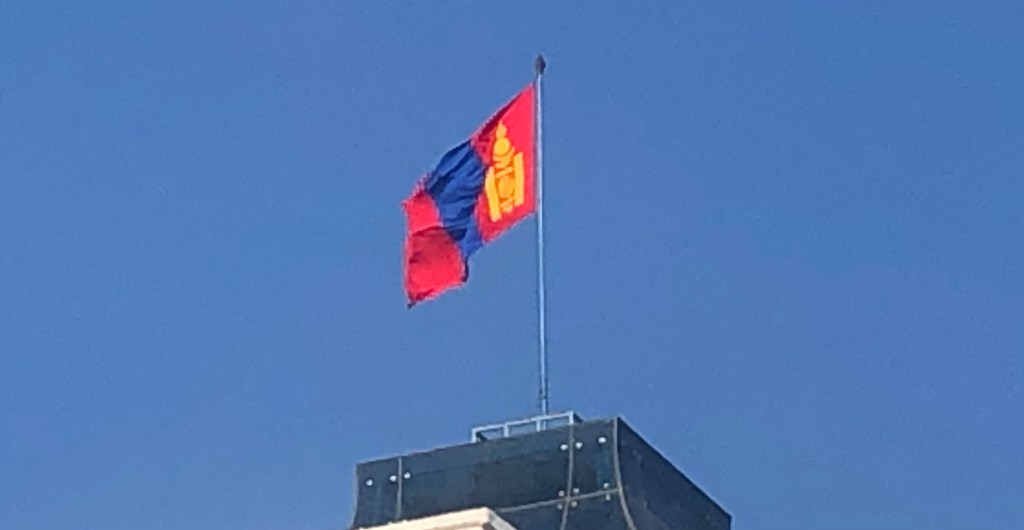
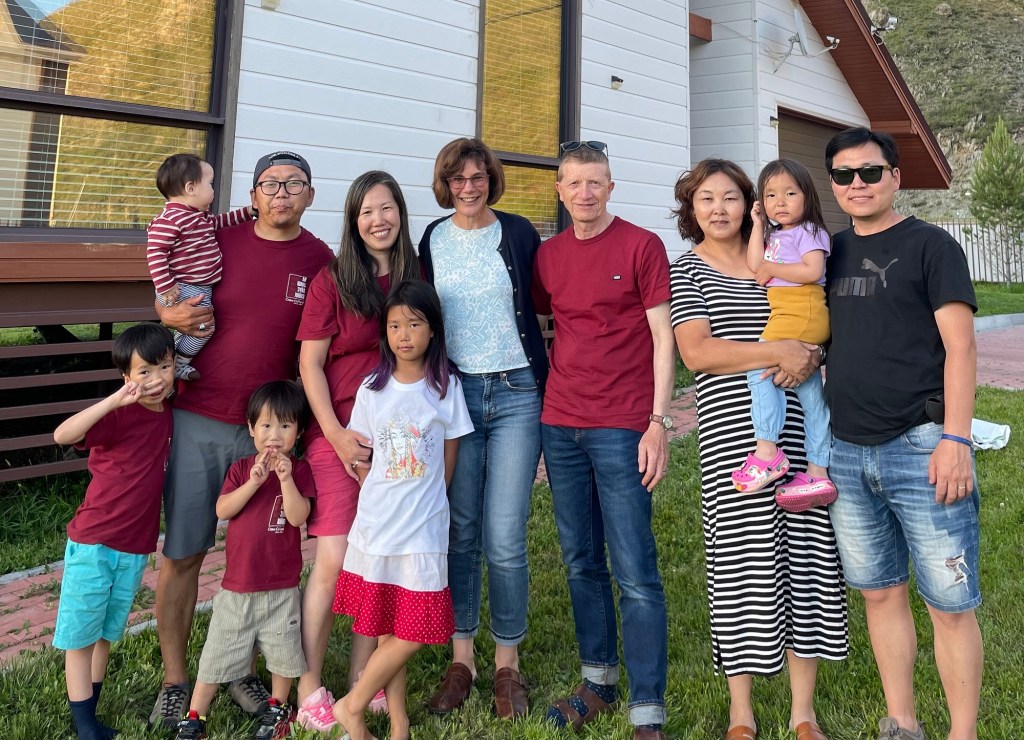
The scripture on the calendar where we are staying reads, ‘Surely, I know the plans I have for you’ says the Lord. Plans to prosper you and give you hope’. The verse is not only on the calendar but on a wall hanging too. Coincidence? Hardly! As we make the transition from living in Mongolia to Britain, it’s a scripture people have shared with us. Of course it is true, but the context in which it is set is challenging.

              Israel was in exile in Babylon. Uprooted from home and temple, they were in a foreign land. A land of strange faces, incomprehensible language, perplexing customs and an unfamiliar landscape. A place, in short, where they would rather not be.

Dislocated and unsettled by their fierce exit, the Jews felt lost. They naturally longed for the place they called home. I can relate to their feelings. It is far easier to remain in a setting where we are comfortable, where we fit in and others understand us; staying safe in the place where we feel all the facets of our lives combine to create that sense of ‘this is my home’.

But sometimes God chooses to uproot us, or withdraw something or someone from our lives that holds us secure. Whether it’s our home, job, family or friends it doesn’t really matter, the pain of separation still leaves us smarting as we ask, ‘What is the way forward and where do I fit in now?’

              In Jeremiah chapter 29, the prophet sends a letter to the Jewish exiles, instructing them to settle in this foreign, unfamiliar land of Babylon. ‘Build houses and live,’ he says, ‘Plant gardens and eat the fruit of your labours. Take wives, have children and, seeking the welfare of the place you live, pray for it.’

Despite the loss and grief of their exile, God instructs His children to live beyond their current circumstances and find comfort and strength in Him. But change is hard and uncomfortable. In telling the Jews to build homes and follow the seasons of that place, God is asking His children to live well as members of a new country. This requires time and patience; time to build new friendships and adjust to a new environment without constantly longing for what was.

Not only that, but God loving process of transforming us involves many steps of faith and growth in our hearts. When loss overwhelms me and I can articulate my groans in some sort of prayer, ‘God, I’m trying to seek you with all my heart’, then I catch a fleeting glimpse of something more. Pushed to edge of what I think I can endure, I sense His presence, lifting me and giving me hope, faith and His Spirit to walk in His way. This aching dislocation unlocks reality to me; He does know the way. He does have a plan.

© copyright Gillian Newham 2023

Running with the horses. . .

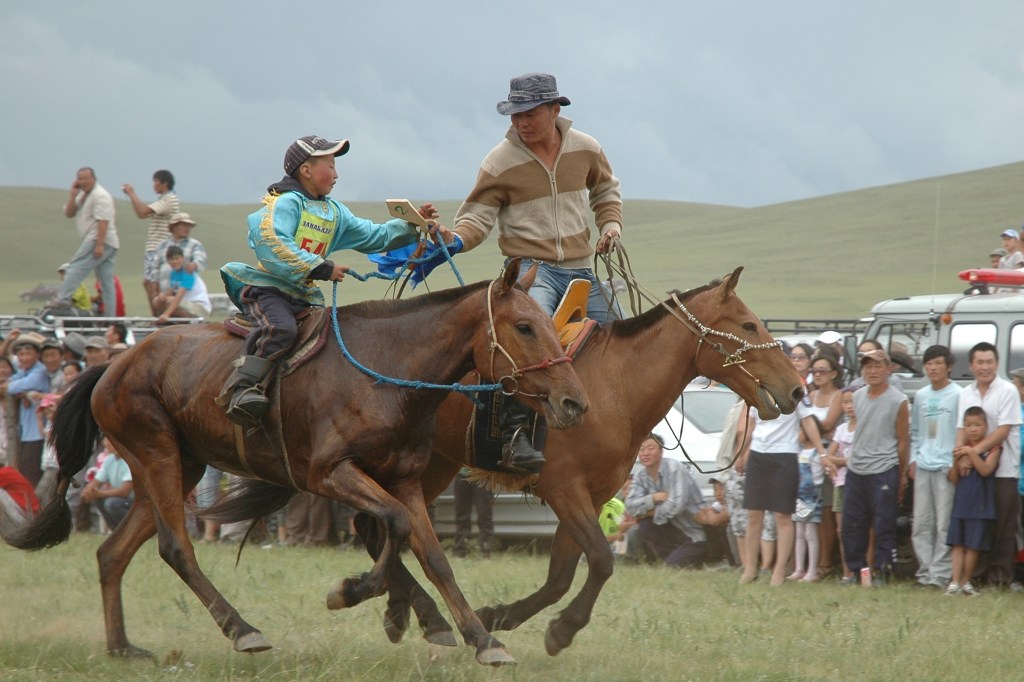
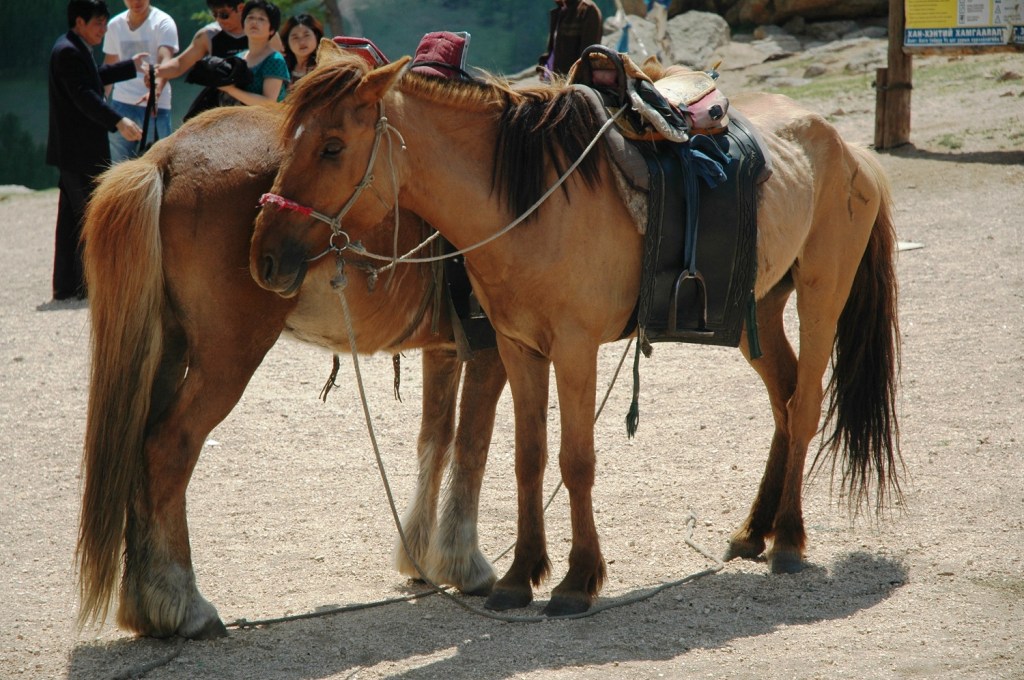
Mongolians love horses and they love horse racing. July is one of the busiest months, with every city, town and village holding its own annual Naadam sporting festival. The Men of the horses who, tradition says, ride before they can walk, eagerly work to ensure that their animals are in tiptop condition.

Jockey and horse train together. The jockeys are boys and girls aged between seven and thirteen. Until recently they rode bareback with no protective clothing, but newly introduced regulations require the rider to use a saddle and wear protective clothing.

Races are long; beating a straight path across the open steppe, they test the stamina, strength and endurance of horse and rider. Training is meticulous and starts with tethering the horse and letting it graze the richest pastureland, although the animal must not gain weight. On the third day, when the sun is warmest, the trainer covers the horse with a felt blanket and leads it up a slope to sweat out all the body’s impurities.

Each day horse and jockey run. At first, they run just a kilometre at a gentle speed. Later, as the horse settles to a regular comfortable rhythm, distance and speed are steadily increased until the horse, lean and fast, strides long, stretching every muscle in his body towards the finish line.

Mongolians love fast horses. Five-year-olds, known as Soyolon, are the fastest, so some regard them as the most heavenly creatures. But every horse, irrespective of age or the race that they compete in, must be a Mongolian thoroughbred.

Manes flowing, tapered heads strain forward as the horses run with the wind. Riders’ cries mingle with hoof-fall that, like giant timpani, shakes the very ground beneath my feet. Goaded and guided, they give their all, reminding me of God’s word to Jeremiah: ‘If you have run with men and they have wearied you, how will you compete with the horses?’

Running in a race is not easy, running with excellence even tougher. The race of life can be difficult, with moments when it feels too hard, and we succumb to the temptation to give up!

Not all of us are fast runners. But each of us is called to run the course marked out for us. To live at our best, relinquishing that which trips us up. Even when the way is hard, we must learn to cast aside our struggles and apprehension, and strain forward to God with a longing for wholeness and hunger for righteousness. ‘Your will, not mine,’ we cry as we allow Him to guide us. His purposes are far more than we think ourselves capable of living.

We toss and turn, even hesitate. Counting the cost, we get into training, knowing that there are no shortcuts to staying the course. We participate in what God has initiated, feeling every fibre of our being tauten. In the noise, mayhem and confusion of the race, we are neither skittish nor cautious, but we run with courage, looking to God, the author and perfector our faith, pursuing Him with a desire for excellence. We run with the horses.

© copyright Gillian Newham 2023

Still Learning. . .

Head down and gritting my teeth, I walk in this way of change. Letting go of the familiar, the obvious and seemingly secure life we’ve come to know, leaves me sad and anxious. Where is God leading us exactly and what will it look like? I wish I could answer those questions clearly. My stomach knots, reminding me, if I needed reminding, that this path is uncomfortable. Friends are kind, but some raise their eyebrows when they hear our fuzzy answers or lack of clarity, leaving me wondering whether they think we have abandoned reason.

              We have been here before, but this time feels different. Walking with the uncertainties, we are in a strange place of limbo where it’s difficult to discern the next step, let alone the future. Everything feels woolly, undetermined and ambiguous. My list of adjectives to describe our current state is long.

              In no uncertain terms I voice my struggles. This is more than I can cope with. Surely God, you are asking too much of me. A prompt rebuke follows: my focus has been on the situation and my emotions rather than Jesus. Amid the turmoil, I make a deliberate decision. Remembering who He is and what I’ve already experienced of Him and His love, I choose to put my confidence in Him and His character.

              But that’s not the end of it. Doubts still niggle as I plead my inadequacies. I am not qualified to walk this way. Doesn’t He know that His call exceeds my capacities? Whining makes no difference, other than to exact further rebukes that my grumbles, if allowed to take root, leave me in danger of avoiding life at God’s best.

              I stop and direct my thoughts towards God. His peace fills my heart as I return to the simple and yet challenging habit of fixing my mind on His truth. In the stillness, His Word fills my mind. Turning it over again and again, the Word begins to speak, gently assuring me that He is with me in the enigmas of this journey.

Friends surround us who have daring confidence in God. Many are risk takers who don’t always think about the consequences of their decisions. Some decisions work out, while others go spectacularly wrong. Largely, the Mongolians pick themselves up and carry on, sensing that God will cover their mistakes, that He will work everything out and there will be blessing.

Often, they are right and their lives articulate a message to us: Blessings come from taking steps which, at the time, feel frightening. Sudden God-directed moves towards the unknown without a clearly defined plan are life changing and enriching. Taking one step, we begin to discern God at work in the moment. Eagerly, we await His next direction, only to realise that His promise to walk with us is actually all that we need. He keeps us today and all the days that follow.

© copyright Gillian Newham 2023

Living Stones…

My mind often wonders in obscure directions making connections that others don’t easily see but which seem obvious to me.

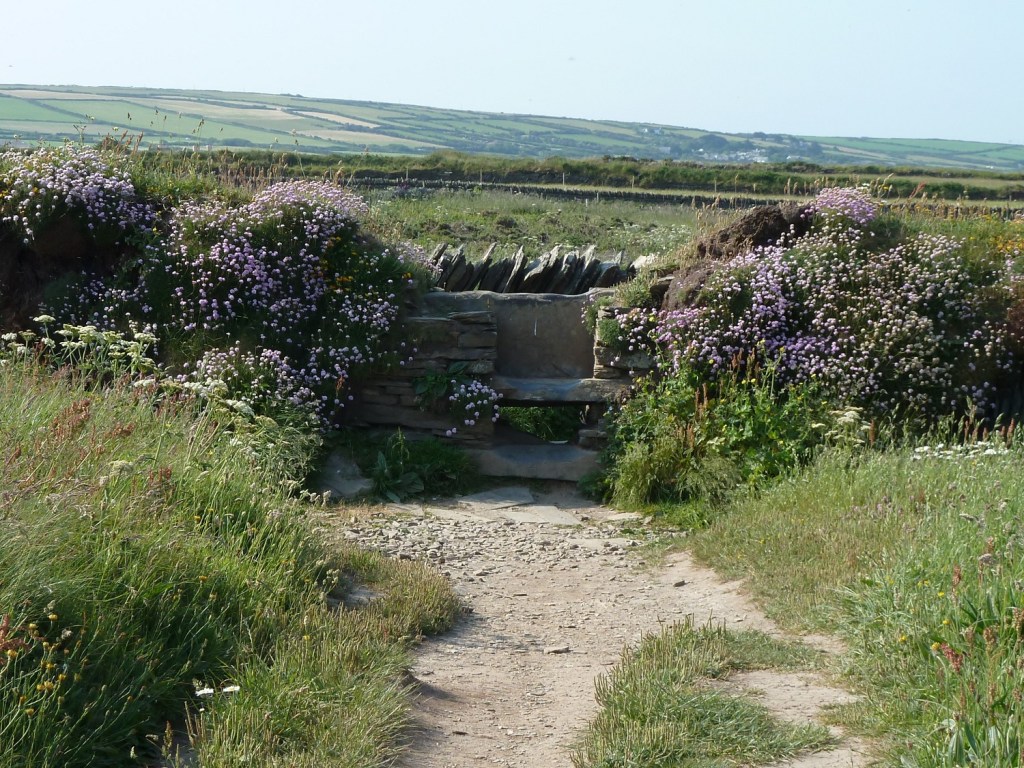
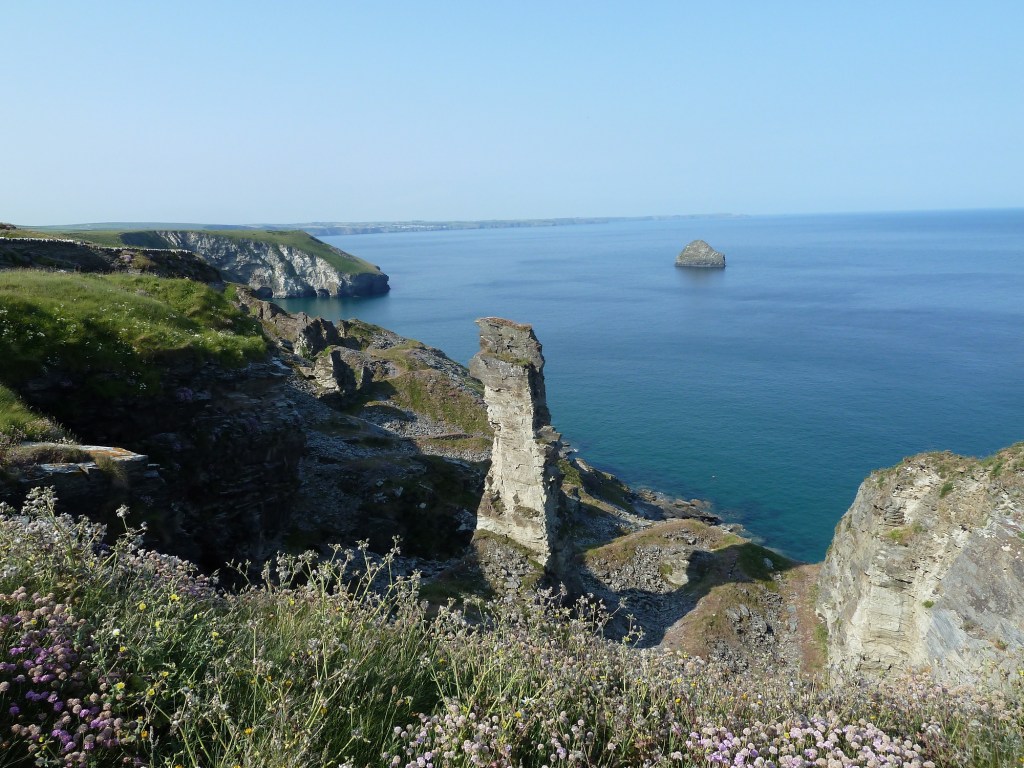
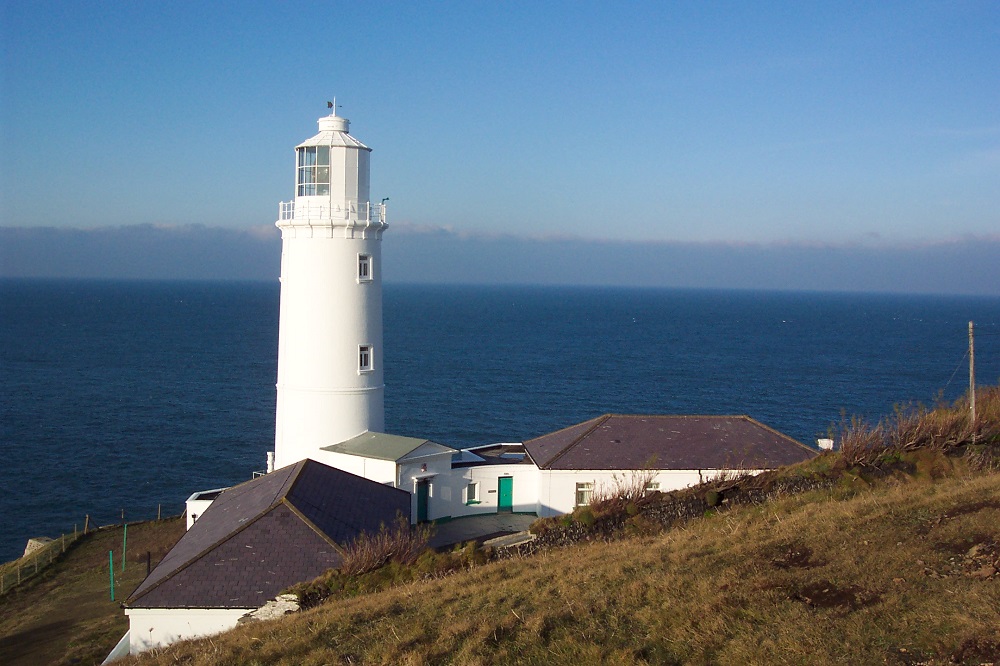
We are in Cornwall for a few quiet days before we head back to Ulaanbaatar. Taking time to walk the coast path, I find myself intrigued by the slate wall with their herringbone pattern. Known locally as Jack and Jill walls, they edge the north Cornish coast. The walls, forging snake like paths of kinks and bends across the landscape, mark boundaries and guard exposed fields against the thrashing Atlantic winds.

              The walls bear testimony to a time when quarries worked the north coast. Long since abandoned, all that remains are rock pinnacles and a sea of discarded slate fragments, thousands of which form the bulwarks that protect the land. The walls are effective, but they also possess an intricate beauty of their own that reflects the ancient tradition of stonewalling practiced over centuries.

              Building a dry-stone Jack and Jill wall takes care and precision. Each slate must be flat and carefully chosen to ensure that it fits in its place. But before construction begins the craftsman must lay a solid foundation, from which all other stones are anchored, positioned and lined up. Laying those foundation stones correctly ensures that the wall endures and stands strong.

              The Cornish often build two parallel walls to border fields, with earth infilling the centre. This is the Cornish hedge. As nature takes its course, the hedge teems with brimming life. Tiny animals burrow a home into the central earth infill. Wildflowers surge between stones, turf and gorse root a bed of soft capstones until the entire wall, every nook and cranny, becomes clothed with verdant diversity.

              It is a beautiful picture filled, in my mind, with parallels of the church and its life. We are a building built from fragments, all different sizes and shapes, some misshapen, all blemished yet lovingly laid and angled by a master craftsman upon a firm foundation that does not move.

              Our Foundation stone, Jesus Christ, keeps us, holding us in balance, interlocking our lives with His and one another’s, reminding us that we cannot flourish alone. He created us to share life, to be interdependent. This world can be an inhospitable place where we can find ourselves exposed to wild elements and relentlessly battered by a sea of challenges. Alone, we are like a single slate fragment, flaky and more vulnerable. Together, we are stronger and can live through all the seasons of life.

              Naturally, stones do not live. They do not move; they cannot change and they do not learn. But we are founded on the living stone, a cornerstone far greater than ourselves that fills us with life, enabling us to grow, learn and be changed. God is building us into a spiritual house that proclaims the excellencies of our foundation.

              The Cornish hedges teem with life. They are not tidy or well-manicured. Plants tumble over themselves in a riot of greens and colour, drawing insects, birds and small animals. Each comes to feast on the abundance of life. The hedge thrives. Precious and life-giving, a picture of God’s heart for the church in our place – loved, affirmed and as beautiful to Him as He is beautiful to us.

© copyright Gillian Newham 2023

Inadequacy. . .

‘See if you agree with the notice in the toilet,’ said the friend I was meeting for coffee in Liverpool. I ventured into the café’s ladies’ toilets. The notice, stuck on the wall next to the light switch, read something like: Whatever happens today, within myself I have the strength and ability to deal with everything. I know that phrase was meant to encourage and give confidence to those who were struggling, but it didn’t work for me. I looked in the mirror, exhausted, emotions scattered, aware of my fears and the discs in my back that refused to stay in line and smiled. I alone have the ability to deal with all that life throws at me? No way!

Once, my bold young self might have agreed with that statement. I remember arriving in Mongolia full of assurance and determination – thinking I had the answers to people’s problems. It took a while to realise that God had already been working there long before we arrived on the scene and actually didn’t require my help.

Subtly, I boasted in the glories of what I had done, rather than what God was doing. Bragging about the dogma of my pet Bible beliefs, I remained ignorant of the realities of God’s truth. I measured my value by my performance, unaware that yet-to-be-sanctified parts of my nature remained firmly squeezed into the world’s mould.

Thankfully, trouble and failure halted me and illuminated my misplaced faith. They enabled me to face my inadequacies, realise my need for others and face my absolute need of God. Less sure about everything, I accepted the truth that I was still a beginner and am still just catching the edges of His ways.

Physical and emotional weakness is part of my life experience. Admission of such to God qualifies me to receive His ongoing love and salvation. These genuine experiences of His love do not elevate self, rather they display my insufficiency and God’s power. Everyone knows my frailties but, if they see something of God in me, or hear His Word from my mouth, then they realise that He chooses to use frail vessels. Not that I glory in my fragility. There is no glory there, but there is glory in the abundant adequacy of Christ.

It is a paradox: When I am weak then I am strong. Not knowing what to do or how to help myself or another, I call out to God, asking Him for wisdom and strength, which He gives. I have no confidence in my own wisdom, no trust in my own opinions; for that I am learning to rely on another. Dependency upon Him is God’s objective. True, I am an unworthy servant, but I am also a beloved child of my heavenly Father. His Spirit, who resides in this cracked pot, enables me to face each day knowing that He will keep me steady.

© copyright Gillian Newham 2023

Lord of the Storm. . .

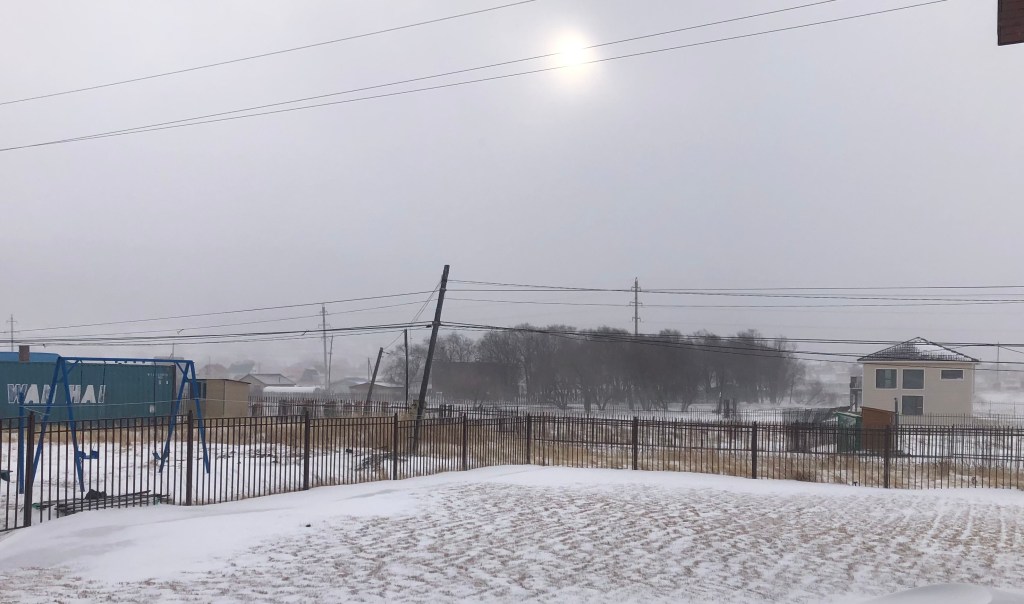
After a spell of warm blue-sky days where snow retreated from the bare ground, temperatures suddenly plummeted. A fierce north wind followed, bringing with it fresh snow which pelted, seemingly, from every direction. Cars slowed to a crawl and a bent, lone figure battled through the squall. Moments later, enfolded by the blizzard, he disappeared.

Spring is an erratic season, changeable in its behaviour. Playing with our emotions, it lulls us into the belief that the winter has relaxed its steely hold, only to pounce with harsh coldness and bone-chilling winds brooding grey.

There is heaviness, even despair in this greyness. Certainly, after late February’s Lunar New Year Holiday, families trying to recover from their large, happy celebrations, worry over their debts. Herders know this grey despair well. Life is tough in the lean days when, unable to afford to buy additional fodder for their animals, they wait as this unpredictable stormy season picks off the weak with ease.

Children return to school, adults to work. Outwardly, all looks normal, yet beneath the surface fear hovers. Storms come, covering the sun, disorientating us, endangering hope and even our very lives.

Buffeted by the wind in the middle of my own white-out, I realise this cyclone could be dangerously destructive. How much easier it would be if I could find a place to rest until the storms passes, but there is no place. I battle on, asking God where He is in all of this. Has he abandoned me? I become aware that what I do matters. I have a responsibility here. With determination, I calm my panic, make one responsible decision and take one step forward, remembering the paradox that God has a plan to work out through all of this.

As I walk, I sense God’s presence beside me. Although my pleas to understand what is happening go unanswered, I strain to listen more closely… more silence. How will I get through this? Countless questions, not a single answer, other than the growing certainty that I am not alone. He walks besides me, just as He walks with each of us. That is enough; courage rises and I keep on walking. The snow will not bury me.

Still, I struggle, still I cannot make sense of what is happening. Shaking every bone in my body, the freezing wind loosens my grip, exposing doubts, fears, false assumptions and wrong beliefs that reside in my heart. The violent gusts even reveal my tendency to hold too tightly to God-given things, which divert my gaze from God Himself.

Storms pass, but lessons remain for me to learn. When the way was dark and I could see barely two or three metres in front of me, faith in God was the compass that kept me on course. While all around me raged, His love brought quietness to my soul, helping me again to entrust my life to Him. The pounding and lashing have moved me closer to my destination. Patience and perseverance flood my heart, allowing me to handle the storm with renewed poise. God exposed my falsehood as He continues to form the mind of Christ in me. Is this what the storms of life can work in us if we allow them to?

© copyright Gillian Newham 2023

Acceptance. . .

She stood before me, a friend in her late forties who had just disclosed a secret. Her eyes darted left and right, uncertainty and fear clouding her face as panic flared. I’ve seen it before, experienced it myself. It happens in life, happens amongst Christians, that moment when, unnerved, I anxiously wonder whether I’ve said too much and others have seen the real me.

A brief time away from Mongolia causes me to think and reflect on this phenomenon. It’s a subject I’ve returned to time and again because the society I live in believes good people do good things and bad people well….

Unspoken standards exist. Expectations are in place and people largely make every effort to conform. But, frequently, disappointments follow as the standards and ideals remain unreached, even unattainable. Failure can bring sadness, the collapse of hope and even a brutal torrent of shame.

We’ve seen and experienced it all and notice, as Christians, that the sense of defeat can heighten awareness of our shortcomings and sin, causing us to cry, ‘I am not good enough.’ Saying the words out loud sounds ridiculous. We know the truth! We are worthy to come before God, not because of who we are or what we have done, but because of the work of Christ. But this attack is subtle, whispered in low, indistinct tones, grinding away in the background.

‘God will accept me if I do what He says.’ But I cannot. It is too demanding, too radical. Truth is: I am trying to make myself acceptable to Him. This is placing the gospel back to front. Jesus says, ‘Come to me and I will forgive you. In me, you are acceptable to God.’ Ignoring His words, My eyes’ focus was on myself, not Him.

How can I expect to fulfil His commands unless I raise my eyes away from self? I must give up trying to be acceptable and accept that I am already acceptable to Him. Over and over, I seemingly have to relearn this basic truth. His commands are easy, fit for me and not beyond my reach. They are close but I must lay hold of them. I must love Him, allowing Him to expand my heart to trust and abide in Him and not be afraid.

This and more is what God created me for. Easing my hand open to let my life go to Him, paradoxically, brings a sense of security and safety. I relax, comfortable with who I am, finding that I really can be the person He created me to be. God gives me the ability too, to love others, to meet and enjoy them as they are, without any knots in my stomach. This is both natural and real, because I am learning to recognise that in my weaknesses there is no fear. God has redeemed, forgiven, restored and healed me. Failure is no longer crushing, neither are my hopes devastated. Dependent on Him, I find the real source of my strength and peace.

© copyright Gillian Newham 2023
The stories we tell ourselves…

It’s a mere fragment of a story, but it sticks with me as it’s the first time I truly realised how easy it is to add imagined facts to stories. Mark and I were living in the Mongolian countryside at the time and were away. Our neighbours, who hadn’t spoken with us, were telling our friends that we had gone to England. A few days later, when we returned, everyone was surprised.

A silly incident perhaps, but it serves as a reminder to me of how easy it is to jump to a conclusion when I see something happen or, having a single piece of information, let a story unfold in my head. Why do I do this? Perhaps I am trying to satiate curiosity by removing uncomfortable ambiguities that leave unanswered questions hanging.

A couple of weeks ago, someone told us that some Mongolian friends were leaving Central Asia to resettle in Korea. We were shocked! How could this be? God had done amazing things to get this family to the mission field. Surely, they couldn’t be leaving now. As I thought about it, my mind raced ahead, reasoning out their decision and filling in the blanks.

Half-way down the road of rationalising this piece of news, I decided to call the wife and ask her directly. A few minutes into the conversation everything became clear. Her husband had gone to Seoul for medical treatment, she and her daughter had planned to accompany him but weren’t able to. They had asked people to pray and so the story had evolved.

It is typical in cross-cultural relationships for me to make up parts I don’t know based on what I think I understand. I note the term ‘cross-cultural’ can loosely extend to most relationships, for I am a countryside girl married to someone from London and we’re still working on understanding each other.

Telling stories is a natural part of who we are, perhaps even the adding of bits we don’t know is too. But I can’t help thinking that the stories I make up about myself can be the most harmful. In my mind they often become a confabulation of something factual combined with anxiety. And anxiety seems to rush at breakneck speed to feed my insecurities.

‘Stop,’ I shout, the moment I realise my thoughts have become derailed. It’s time to regain perspective, God’s perspective, and to let peace and clarity return. ‘What do I need to learn here?’

Quietly, the answers come. Embrace the unknown. Learn to be content with ambiguities and unanswered questions. It is after all what faith is all about; choosing to trust rather than fear. Trust, with an open heart, the One who knows the beginning from the end, even when I do not know the very next step of my story.

To embrace the unknown means unclenching my fist and fully releasing control of the narrative of my life to another. It means living and loving with courage and authenticity, letting God surprise me and others teach me His way, as relationships grow and mature, through the bad times and the good.

Embracing the unknown is not always easy. But I am learning, trusting that God knows what is best for me and that, in His great love, He continues to redeem and rewrite the unhealthy narrative that plays in my mind, for my good and for His best true story.

© copyright Gillian Newham 2023
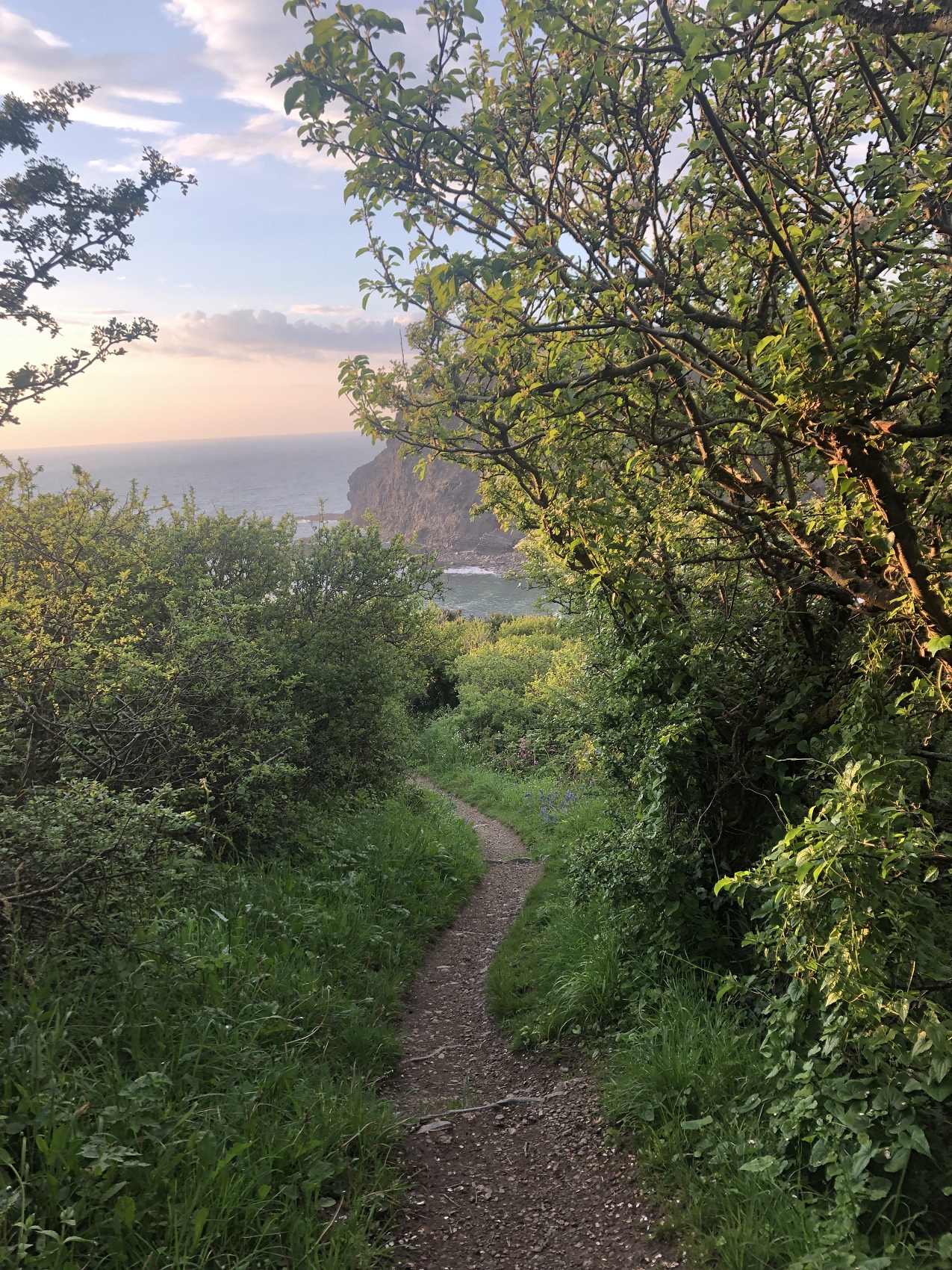
Messy and yet…

Discussing Abraham’s many struggles and mistakes, we were thankful that God saw his heart and considered him a friend. A member of our group added, ‘God saw Abraham’s potential and knew who he would become.’ These words connected with my heart as this is exactly how we want to see our friends here. We want them to grow in godliness and the giftings that God has given them, though it is not always easy. We have made some spectacular mistakes along the way, but we’ve also seen God do beautiful things too.

              I note that a fair amount of turmoil and heartache seems to accompany the change and growth that needs to take place in my life. God calls us to love Him and to love one another. The loving Him part sounds the easier, until I realise the catch that loving Him requires me to truly love others too. Doesn’t God know how messy and costly it is to build relationships with people who have issues? They are angry and bitter, jealous and avaricious… the list goes on. ‘Too hard,’ I shout, entertaining thoughts of dashing away to some holy corner.

              A moment of quiet and honest prayer shocks me, as I hear God’s clear answer, ‘You only see in others what is in you!’ That’s a chilling revelation, like discovering a plank in my eye.

              These friendships are not a way one street. He has plenty to teach me here too. Loving those who struggle confronts me with my helplessness. I cannot fix them. I cannot fix myself. Yet, in loving God, a love flows from me that I cannot contain.

              With the eye of faith, freed from splinters, I learn to look beyond the masks and tactics, trusting God to enable me to see people as He does. I do not disregard the wrong. Neither do I imagine that my faith in a person will cause them to make right choices. Instead my acceptance, like an invitation, hopefully provides an opportunity for them to move towards God and allow Him to bring change.

God surprises me, meeting people in the most unimagined and incredible ways and gifting them with the priceless gifts of forgiveness, a clear path and a new life. This gospel message is full of mercy, giving us what we do not deserve. It brings me face to face with Jesus’ incredible kindness.

God created us for relationships. Jumbled and painful, exuberant and soul quenching, they fill our lives, spanning every emotion we can ever experience. God longs that our relationship with Him and others are holy and healthy, and for that we need His help.

Thankfully, He knows this better than we do. He spoke and His word became a man and lived amongst us; Jesus the expression of His love, entered our tangled humanity to rescue us. He did not wait for us to be ready, but welcomed us, bringing hope to the world, enabling us to be continuously changed into the people who love. No wonder the true message of Christmas is so profound, it has the potential to bring a lifetime of change to derelict lives.

© copyright Gillian Newham 2023
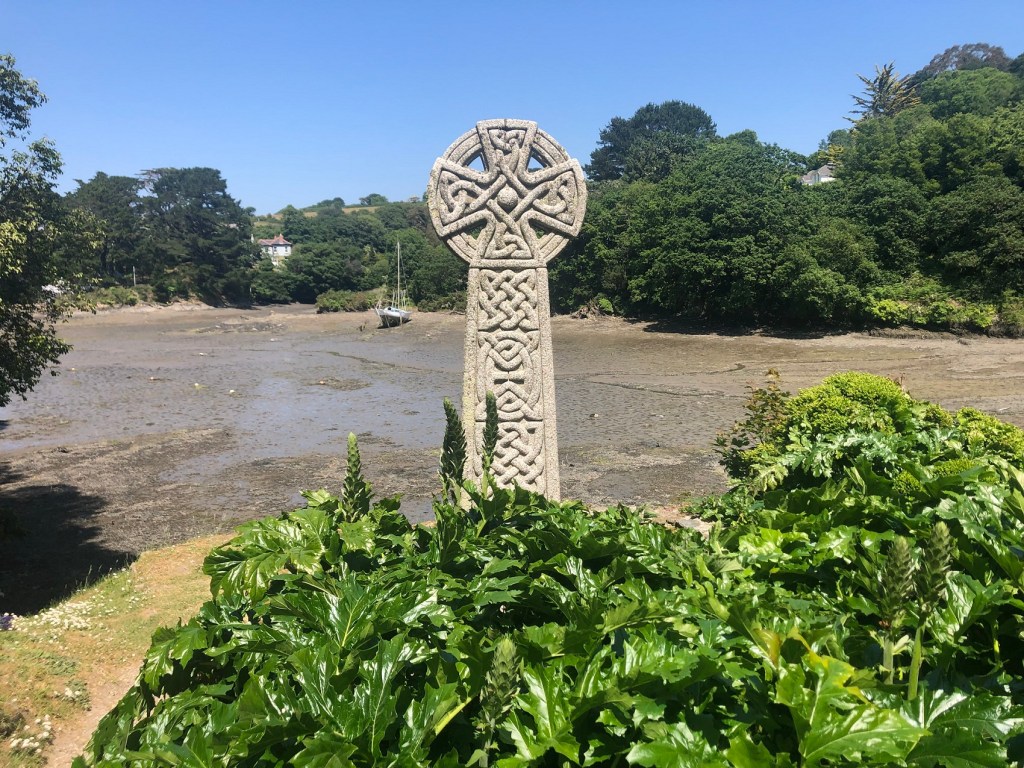
Baasan-huu. . .

‘We all live busy lives,’ said Baatar as he preached on Sunday. We agreed, thinking of time spent sitting on Ulaanbaatar’s vehicle-choked roads, trying to find a precious parking space before the two of us head off in different directions to days filled with meetings, tricky discussions and lessons. We love what we do, but by the time we’ve crammed as much as we can into one day, we feel frazzled.

              It’s not the first time we noted the swift pace at which city life moves and pondered Baatar’s question, ‘How do we find balance and peace in God in the midst of the rush?’

Last Saturday we drove over the pass to walk some of our favourite ridges. The valley used to be home to a few herders and their animals; now new fences cover the hillsides as people claim the best spot for their summer holiday homes. Thankfully, the herders are still there and there’s one we’ve got to know.

Originally from the city, Baasan-huu lives in a ger with his wife and family at the bottom of the hill close to the road. First time we chatted with him, he was lying leisurely beside his horse, reins secured around his boot, so his horse could not wander off. Handing us his ancient Nokia phone, he asked us to help him use it. Not that he needed the phone as his loud instructions to his granddaughter echoed through the whole valley.

On Saturday we talked with Baasan-huu about war, life, church and politics. In his long red deel and thick felt boots, he is a quiet, knowledgeable man. Through his large round glasses, perched on the end of his nose, he eyes us sagely.

              We said our goodbyes, observing him too as he picked up the reins to lead his horse and flock over the hill and up the next valley. The sun dropped, silhouetting man and horse against the pale sky as they climbed the rocky slope. There was an ease in his gait, a nimble steadiness that denies his seventy or more years. He is at home in this place, he knows it well.

              Part of me envies the simplicity of his life, firmly embedded in family and locale. The land is important to Mongolians, especially countryside folk, who feel like they are a part of it. I have no such connection, although I do know the one who created this place. It is His and reflects His nature.

              Baasan-huu’s life is one of stable discipline: work, food and rest. Not that he lacks challenges, but the unhurried nature of it resonates with rhythm. This rhythm causes me to recall the rhythms of godliness I seek to cultivate in my life: prayer, deeper understanding of God and His word, ministry and rest.

              Like Baasan-huu, I must discipline my life. To find balance amid life’s constant activities, I habitually need to learn to quiet my heart and mind and be open to God’s grace. Embracing and receiving His grace brings stability to my scattered, tired thoughts. This stability roots me in God, enables me to navigate the ever-changing flow and recognise that God is in the city rush and the hushed wooded forest too. He is everywhere.

© copyright Gillian Newham 2022