In her book ‘Pilgrim at Tinker Creek,’ American author Annie Dillard encourages her readers to Learn to pray with their eyes open. That phrase has stuck in my mind because I think Dillard is urging me to be attentive to God and my surroundings.
This past year of lockdown has been an opportunity to pray with eyes open, to not be in such a hurry or so preoccupied with completing tasks that we forget to be attentive to what’s going on around us. We are learning to listen and notice that evidence of God’s creativity abounds.
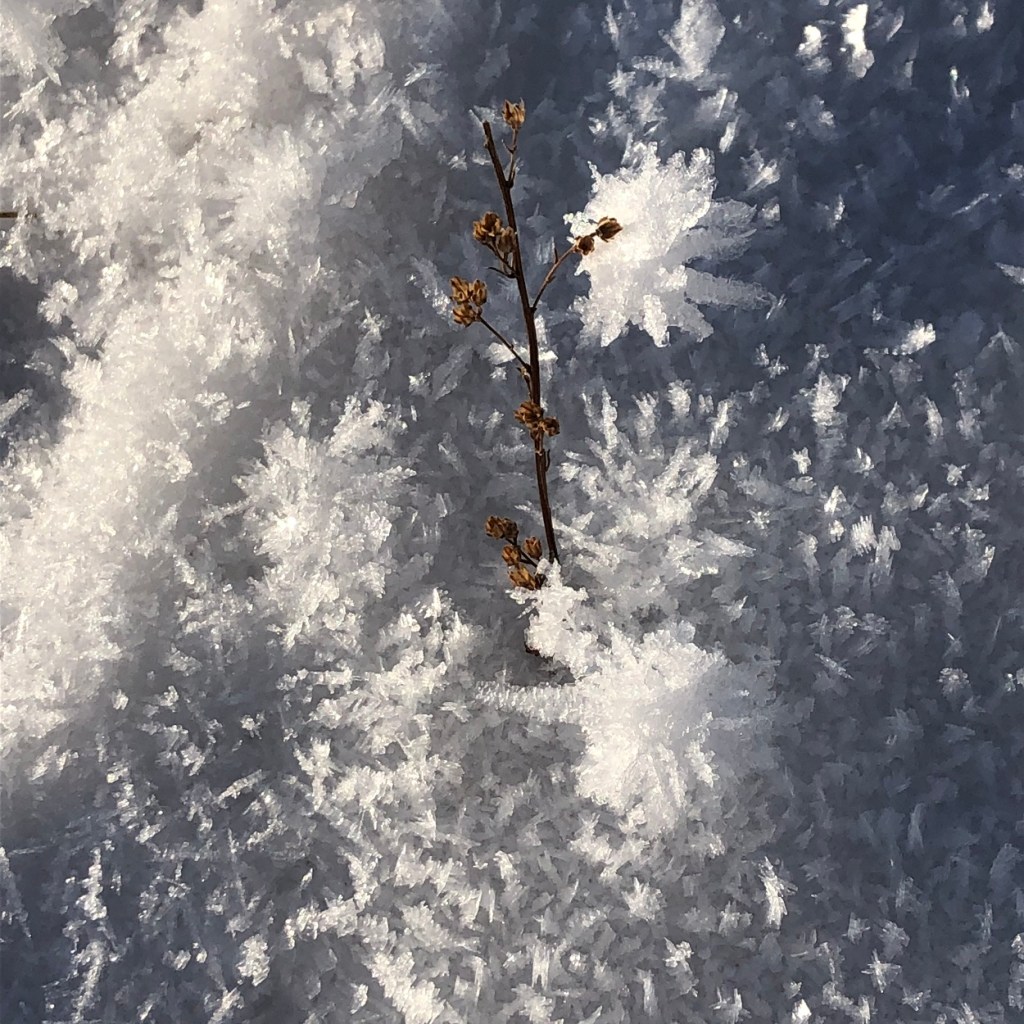
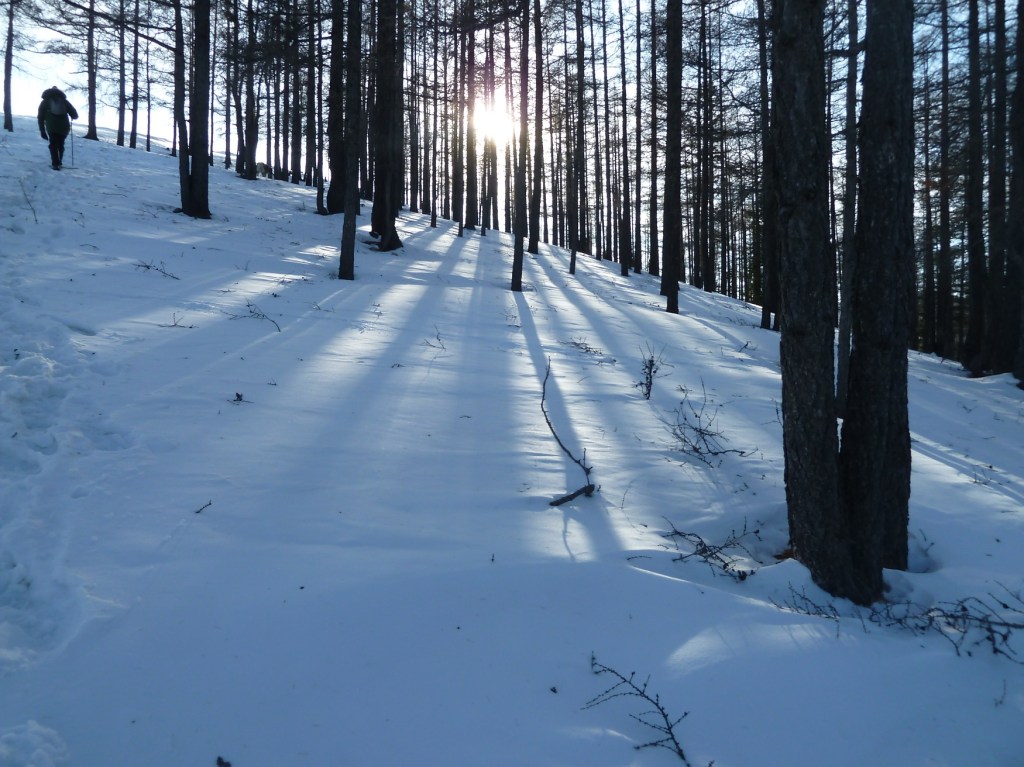
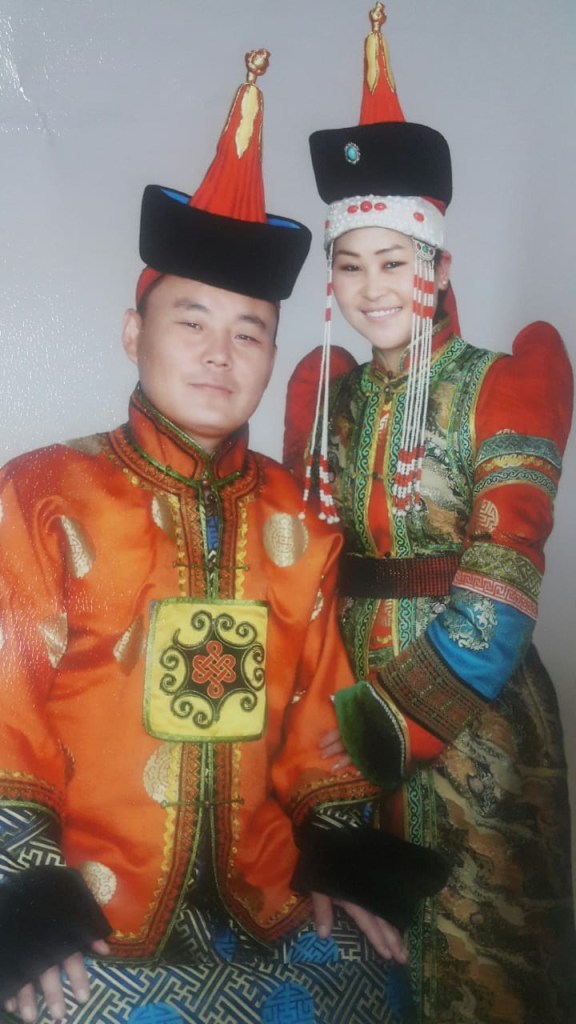
In forests, we’ve watched delicate snow showers cascade from overburdened branches like confetti falling on a bride and her new husband. We’ve held our breath, waiting for the woodpecker to resume his tapping and the birds their song, as we newly discover the breadth and diversity of Mongolia’s bird population.
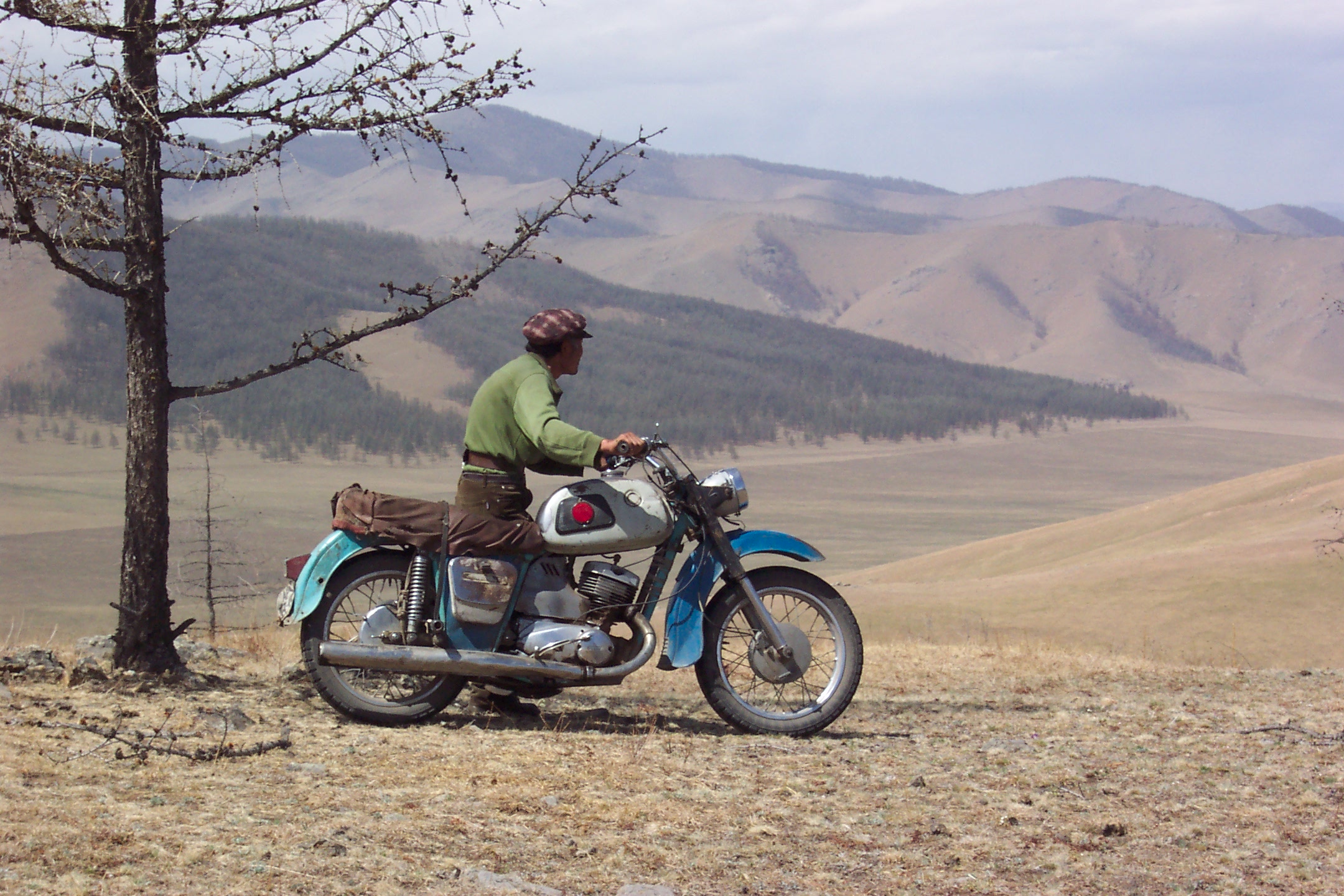
Many endangered species reside here, probably because the country is large and the human population small. Nomadic culture and sparse development beyond populated areas has left the countryside largely unscathed, letting animals and birds flourish without human interference.
Like most countries, Mongolia has plenty of stories of the ancient links between bird and man. Chinghis Khan had many great falconers who used golden eagles to hunt and keep people fed during the harsh winters. Today falconers, in the far west of Mongolia continue that tradition. The magpie, collector of all things sparkly, with his distinct white, blue, black and iridescent green feathers, supposedly announces the arrival of an unexpected visitor when seen sitting on a ger’s hitching post. And swallows, arriving early summer from wintering in Africa, carry with them a sense of the constancy of the changing seasons that Mongolians say, points towards eternity.
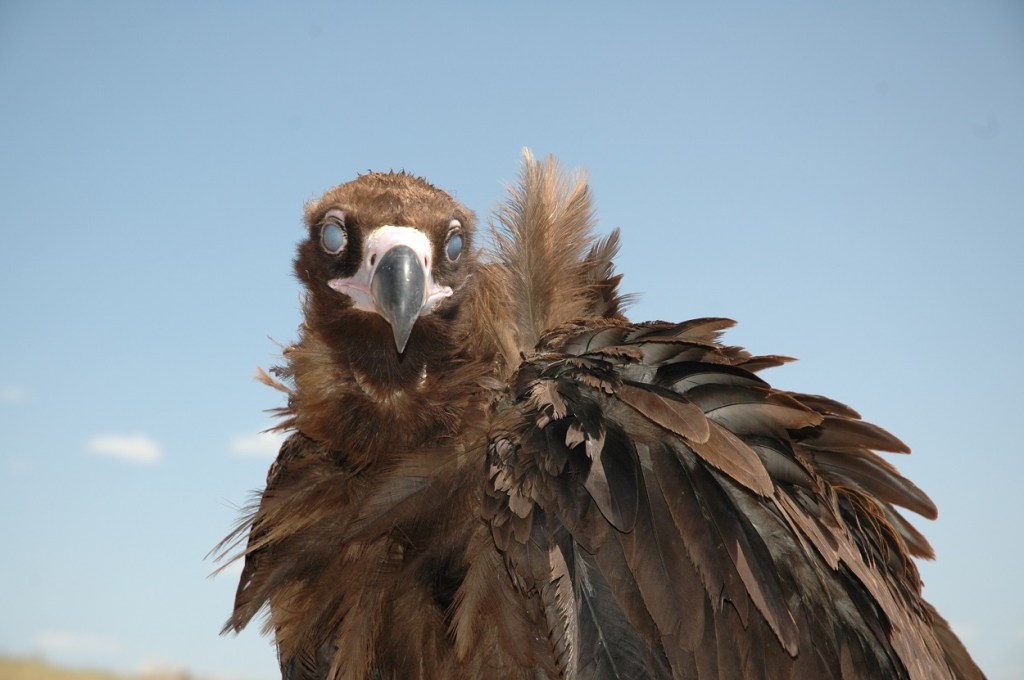
Aware of our ignorance, we have bought a book about Mongolian birds in the hope that we can finally recognise and name the birds we see. But it’s a slow process. We need to sharpen our vision, discern the differences between a variety of crows and appreciate the birds’ routines. And not least of all, learn from others.
Yet a flock of sparrows near our house, has happily made their home in a huge, tangled mass of thick wire. They’ve adapted to their surroundings. But the reality is that progress endangers their environment and destroys their habitat, causing them to decline or die. It is a delicate balance of which the birds are unaware.
But life here is not static. Mongolia is rapidly changing. Fewer children follow their parents’ nomadic way of life. The discovery of vast mineral deposits promises development and wealth for Mongolia and disruption for the countryside. Pollution and steppe fires, poaching and overgrazing of cattle are beginning to impact wildlife and threaten the birds’ habitat.
Life is a delicate balance and walking with God in this complex changing world requires attention. Praying with eyes open, we learn a lesson. Birds live lives abandoned to their creator. Resting in His hand, they receive His wonderful care as He supplies all their needs. They live without anxiety and truly soar.
The simplicity of this good news proclaims a profound truth: all things in the universe that have been created by and through Christ are sustained by God.




 But as the weeks turned into months, frustrations which normally lay buried beneath our busy schedules, began to surface. Restlessness grew. Loneliness and anxiety replaced joy, fuelling uncertainties that wearied souls. Some wondered whether they’d stumbled into a desolate foreign wasteland while others, conversely, savoured the isolation.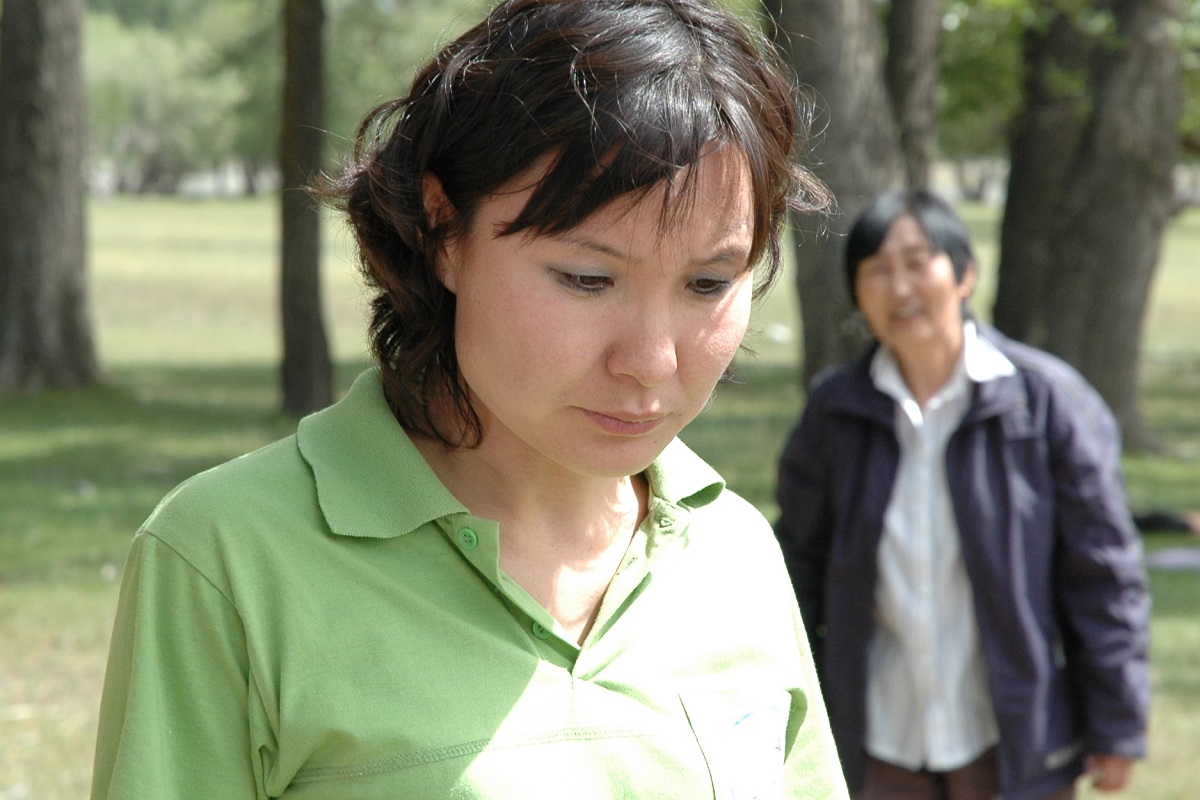
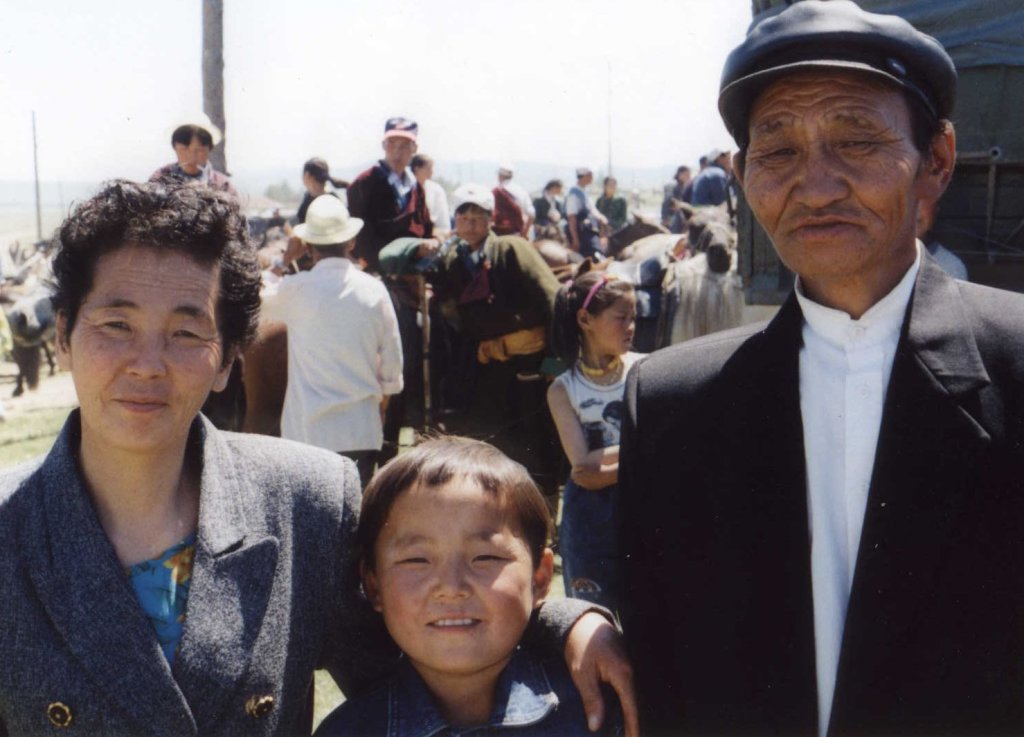
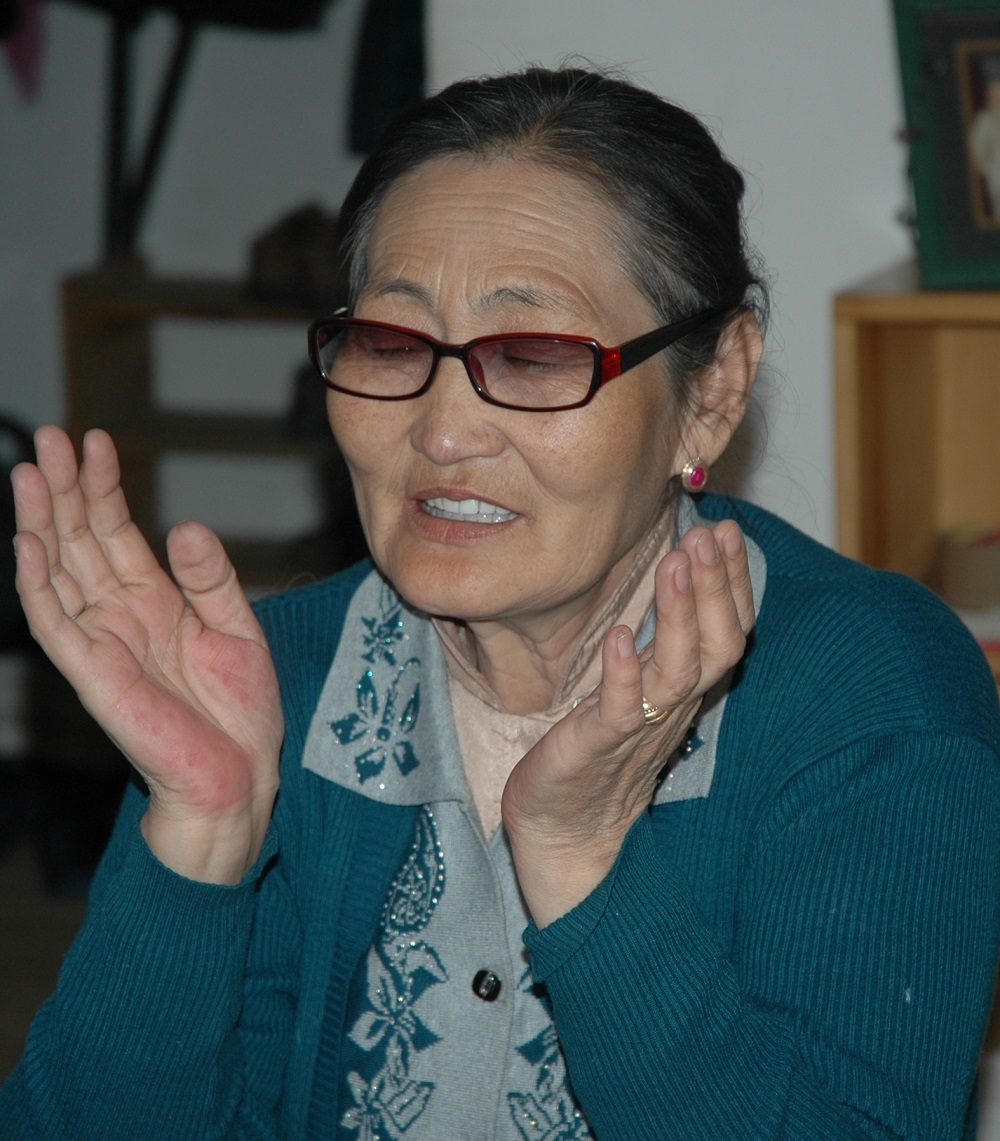
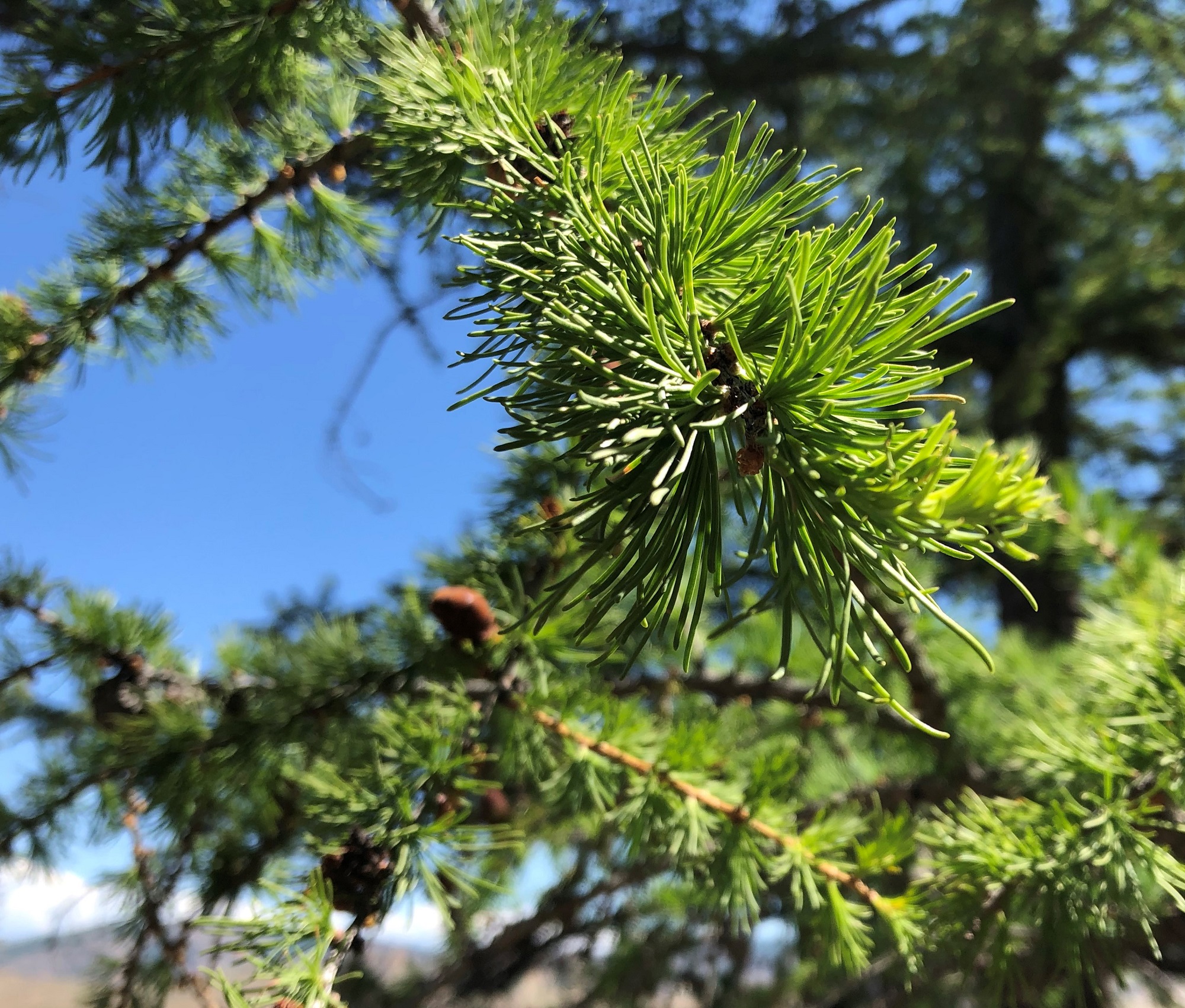 Trees stand with dignity. Full-grown, the beech is a stunning sight. Tall, with its round head, it sways like a jewelled crown of green and yellow in the early summer sunshine. And the English oak is majestic. Unassuming in its vastness, it stands elegant and sturdy. Deeply rooted, it endures almost all that the world throws at it. The oak lives life to the full and, spreading its branches wide, grows old gracefully. Its roots erupt through the earth, twisting and writhing like ancient snakes. Ridged and rough to the touch, the bark reminds me of the leathered face of an old Mongolian herder.
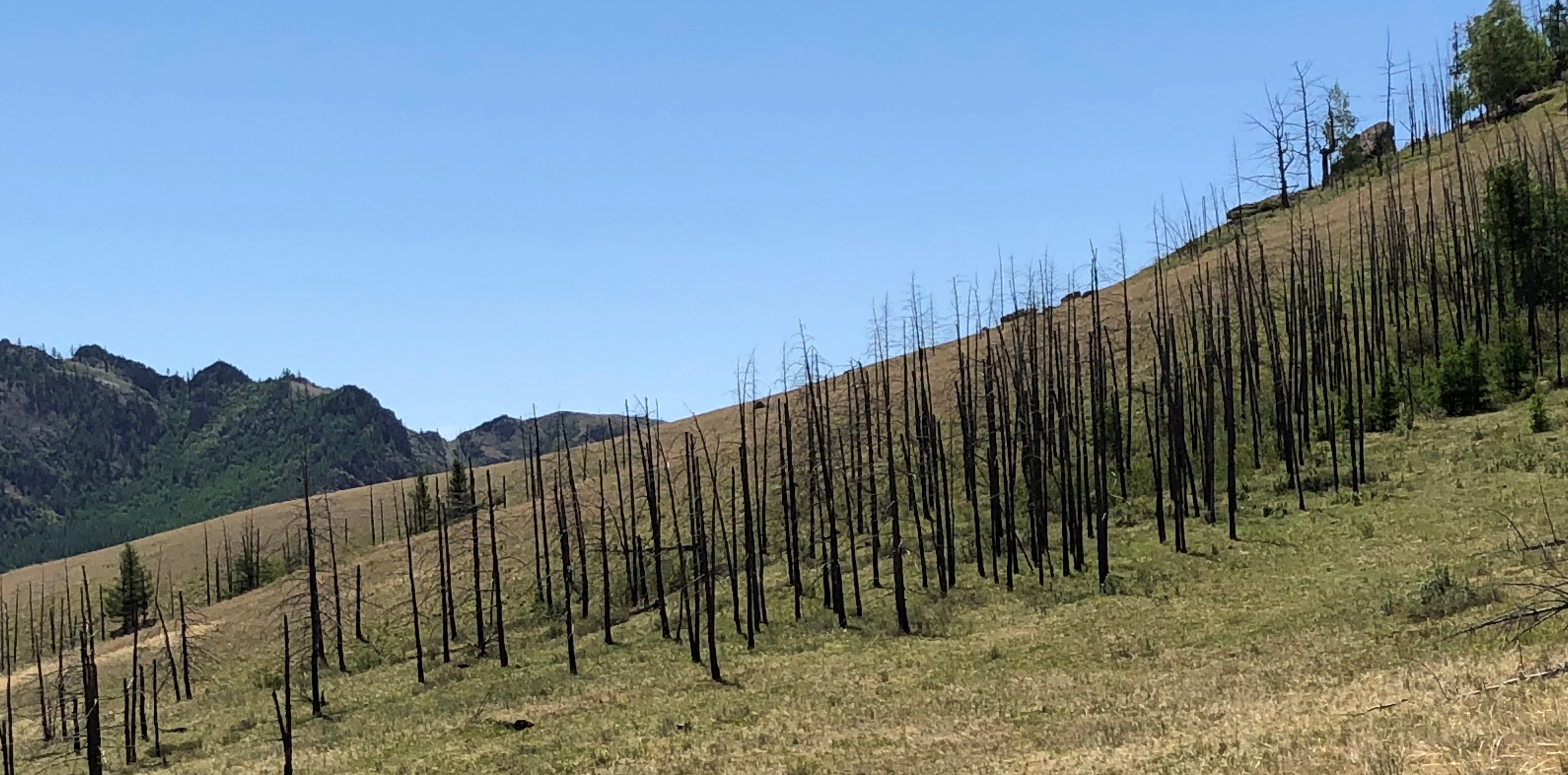 Increased deforestation, the growth of urbanisation and subsequent pollution, have sadly depleted tree numbers here. Consequently, ten years ago, the Mongolian government introduced twice-yearly national tree planting days in May and October. Initially people responded slowly and many newly planted trees died. However, in recent years, people have begun to understand that trees are not only beautiful, but that they also benefit the environment. Trees give out oxygen, store carbon, stabilise the soil and prevent further erosion.
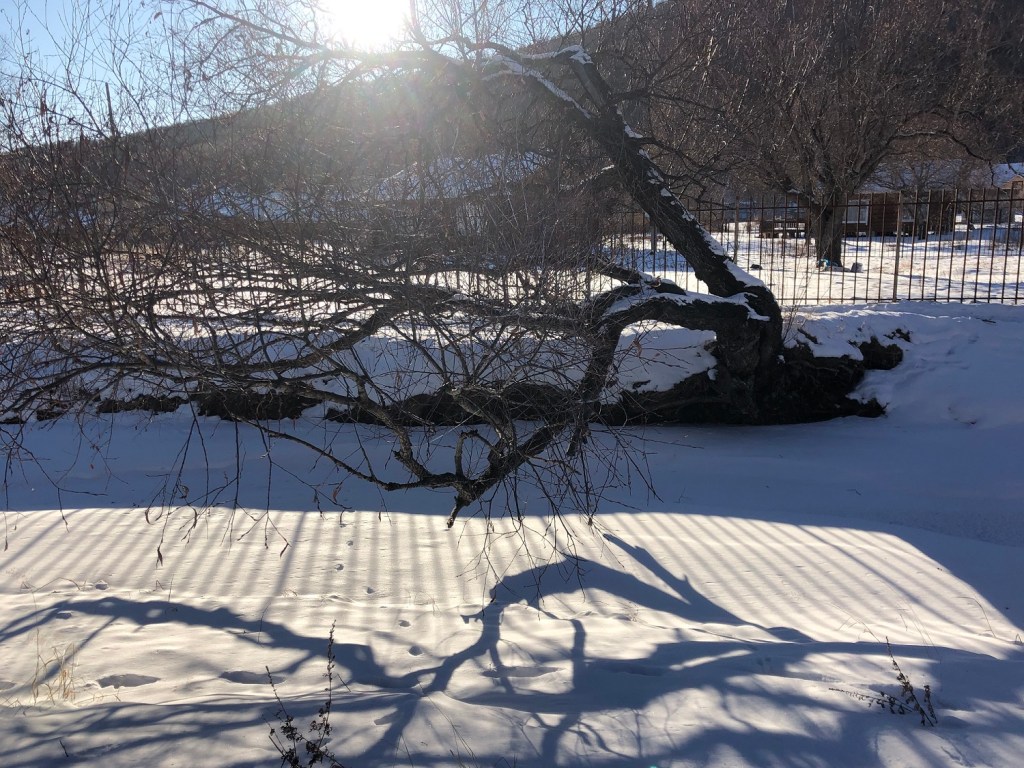
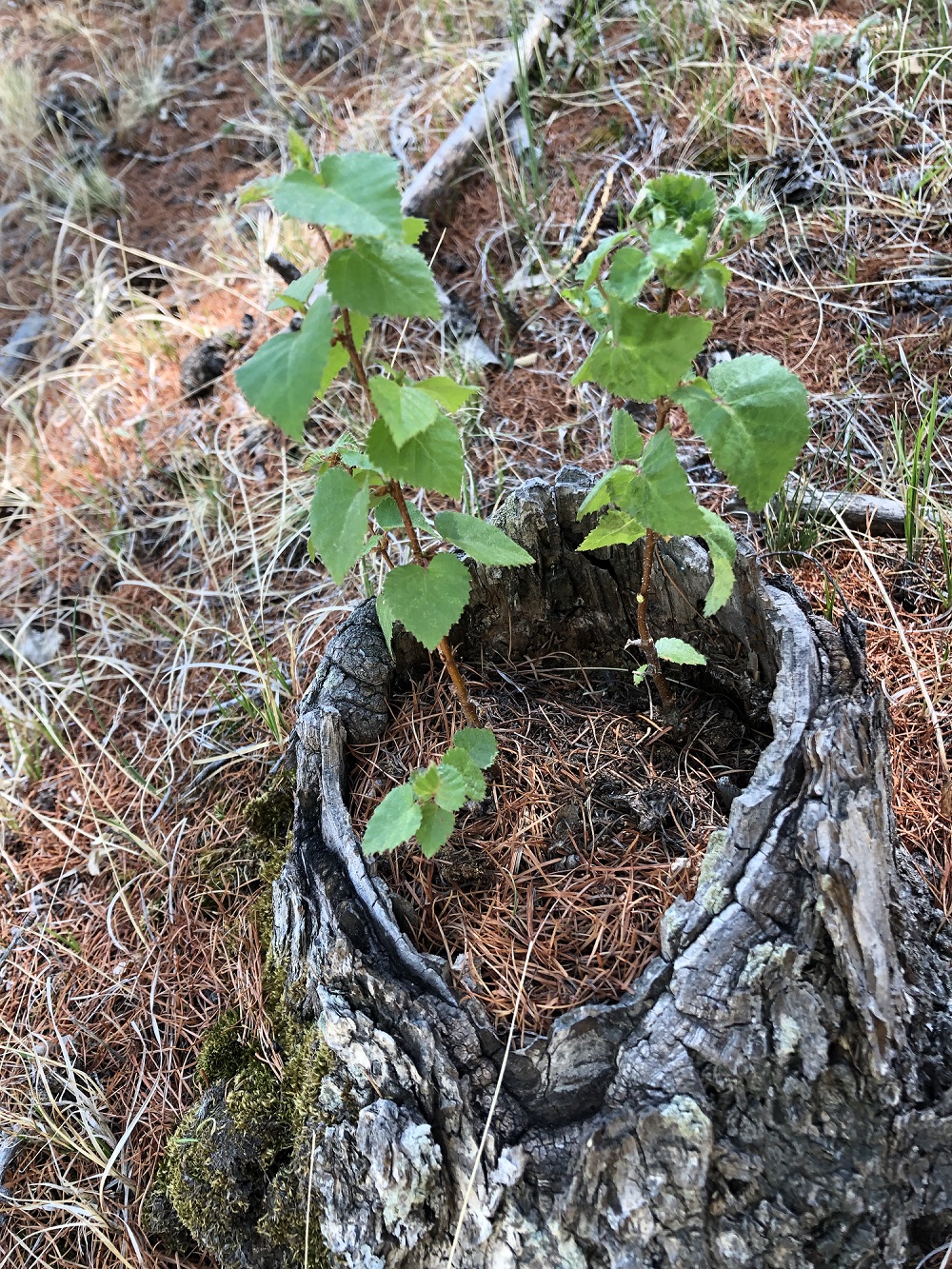 But beyond their beauty and environmental benefits, trees also speak simple, yet profound, spiritual truth into my life. Whether they be giants or tender young saplings, beaten by rain and wind or baked in the sun, they do not easily topple. Pushing their heads towards the light while their roots wriggle further and deeper into the soil, they constantly seek water and nutrients to keep on growing. In due season each bears fruit according its kind: apples, acorns and pine nuts, all of which provide food for others. Yes, trees are a reminder. As they become rooted, they remind me of my daily need to keep on growing in God. And their seemingly long lives jog my memory: there is more than this present moment; there is an eternity to be lived with God.
 While these convictions might be a part of the Mongolian culture, I do not believe that they are unique to Mongolia. To some degree, they exist in every culture. Most people want to be good, or at least be recognised for their fine character. It feels good to be good. Sometimes our virtuous behaviour leaves us with the impression that we understand misery, misfortune, and why others suffer.
 God sent His son, Jesus Christ, into our world. He entered our history, identified with man’s misery and pain, until finally His Father allowed Him to be nailed to the Cross. There, He took the weight of the world’s sin and suffering upon Himself. In that act, God experienced our final agony. The Father was cut off from His Son, and the Son was cut off from His Father. The Son experienced the loss of His Father’s love.
