We love the Mongolians and we love living amongst them. But there are moments when frustrations overtake us and we feel pushed to our limits and beyond. Often those times are marked by a particular discouragement that strikes us squarely in the stomach and knocks us to the ground. At such times, we often wonder whether we are fools.
I recently published a simple Mongolian novel[1] which begins with a Scottish missionary tramping his way through the Gobi Desert sharing the gospel with seemingly no visible results. The protagonist asked himself whether he was a fool too.
It shocks me to think of the ease with which disappointment and discouragement trips me up, leaving me questioning my calling and, worse still, moaning about my lot. It seems to take a little while before sense alerts me to my own shortcomings, which are many. How many times have I disappointed God, or used Him? And more precisely, what does my reaction reveal about the inadequacies of my own heart?
God is always gracious in His rebukes, enabling me to glimpse what He is doing while my eye has been focused on what I think should be happening in a person’s life or a given situation. As I repent and move forward, God has a habit of blessing me with encouragements.
Last week we had a telephone call. The caller said that he was Altanbaatar, Batjargal’s son from Arhangai. We immediately thought of the scruffy young lad with a passion for basketball but that lad has long since gone. We heard he had become an alcoholic.
We met him in a café in the city. Before he even spoke, we knew that he was no longer drinking. He told us how he managed to track us down and about the last ten years of his life. He spoke of his misuse of the church and Christians, of his downward spiral into oblivion that led to hankerings to end his life, particularly after the death of his parents which left him grief-stricken. But he said, “Some great fear prevented me from actually following through on those hankerings.”

Two years ago, God amazingly connected Altanbaatar with a Christian alcohol recovery programme. Step by step the programme enabled him to gain sobriety. As he began to experience life without alcohol, the Lord drew Altanbaatar back to Himself, until he was changed.
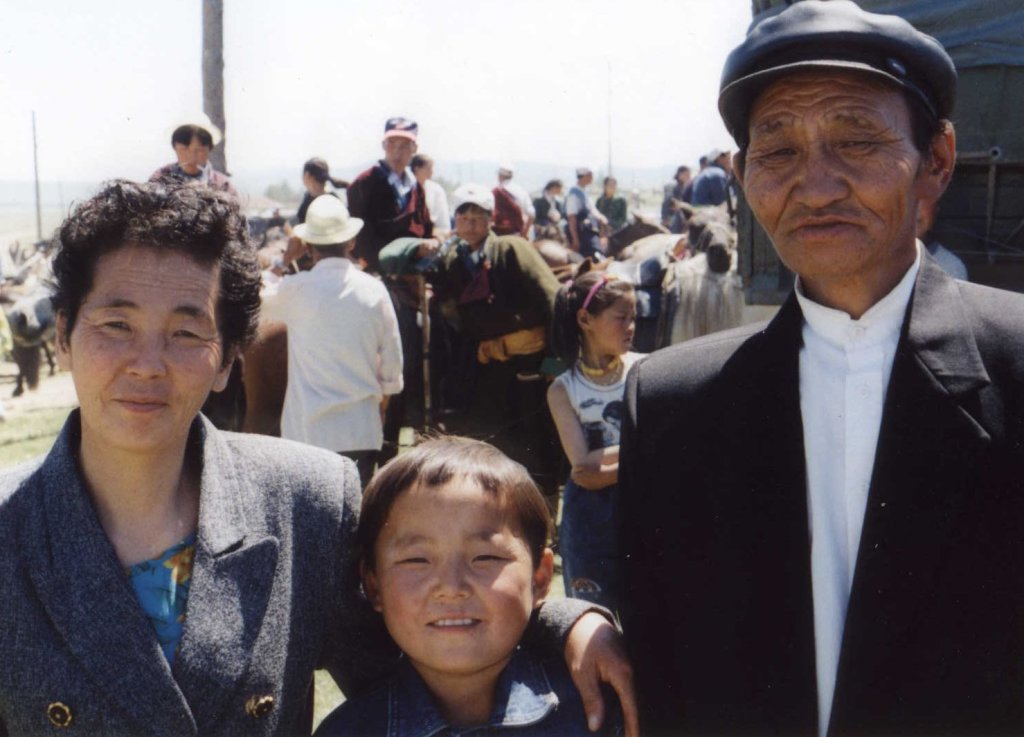
Today he helps others find the recovery and transforming truth of the gospel that he himself has experienced. His mother would have been leaping, or rather lifting her walking stick in praise to God. Despite her own frailties and her seeming physical insignificance, she was a pillar of the Arhangai church. In the years when she was bedridden, her worn Bible was constantly at her side. She read it and read it again, interceding for all who came through her door.
She lacked education. She lacked wealth and held no position whatsoever in society. From the world’s perspective, she was foolish. Truly a fool for Christ. Beyond the things that trip me up, I trust that God will enable me to be such fool as Batjargal was.
Altanbaatar’s story used with permission.
© copyright Gillian Newham 2020
[1] The Red Book – available on Amazon and via this link
 But as the weeks turned into months, frustrations which normally lay buried beneath our busy schedules, began to surface. Restlessness grew. Loneliness and anxiety replaced joy, fuelling uncertainties that wearied souls. Some wondered whether they’d stumbled into a desolate foreign wasteland while others, conversely, savoured the isolation.
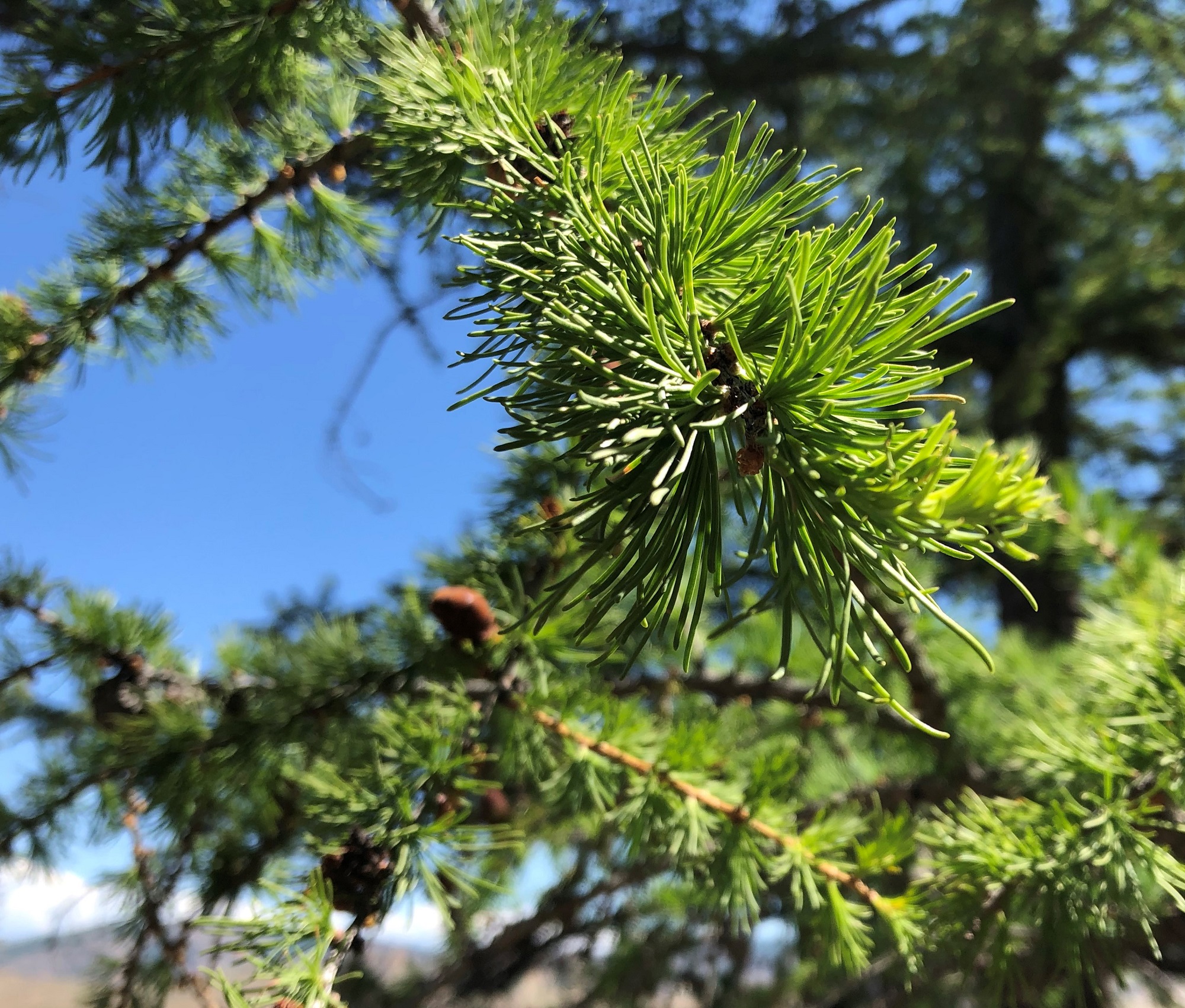 Trees stand with dignity. Full-grown, the beech is a stunning sight. Tall, with its round head, it sways like a jewelled crown of green and yellow in the early summer sunshine. And the English oak is majestic. Unassuming in its vastness, it stands elegant and sturdy. Deeply rooted, it endures almost all that the world throws at it. The oak lives life to the full and, spreading its branches wide, grows old gracefully. Its roots erupt through the earth, twisting and writhing like ancient snakes. Ridged and rough to the touch, the bark reminds me of the leathered face of an old Mongolian herder.
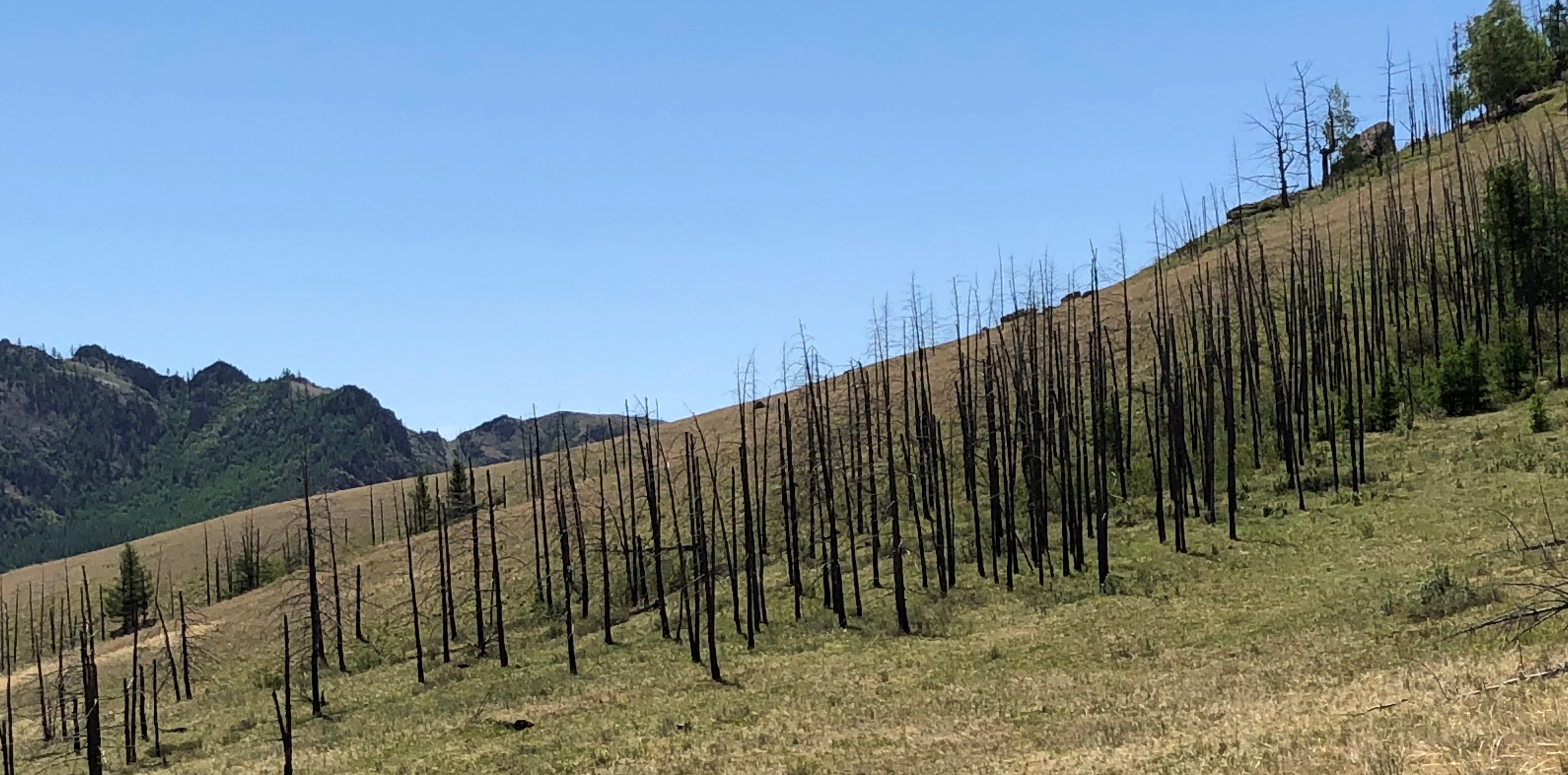 Increased deforestation, the growth of urbanisation and subsequent pollution, have sadly depleted tree numbers here. Consequently, ten years ago, the Mongolian government introduced twice-yearly national tree planting days in May and October. Initially people responded slowly and many newly planted trees died. However, in recent years, people have begun to understand that trees are not only beautiful, but that they also benefit the environment. Trees give out oxygen, store carbon, stabilise the soil and prevent further erosion.
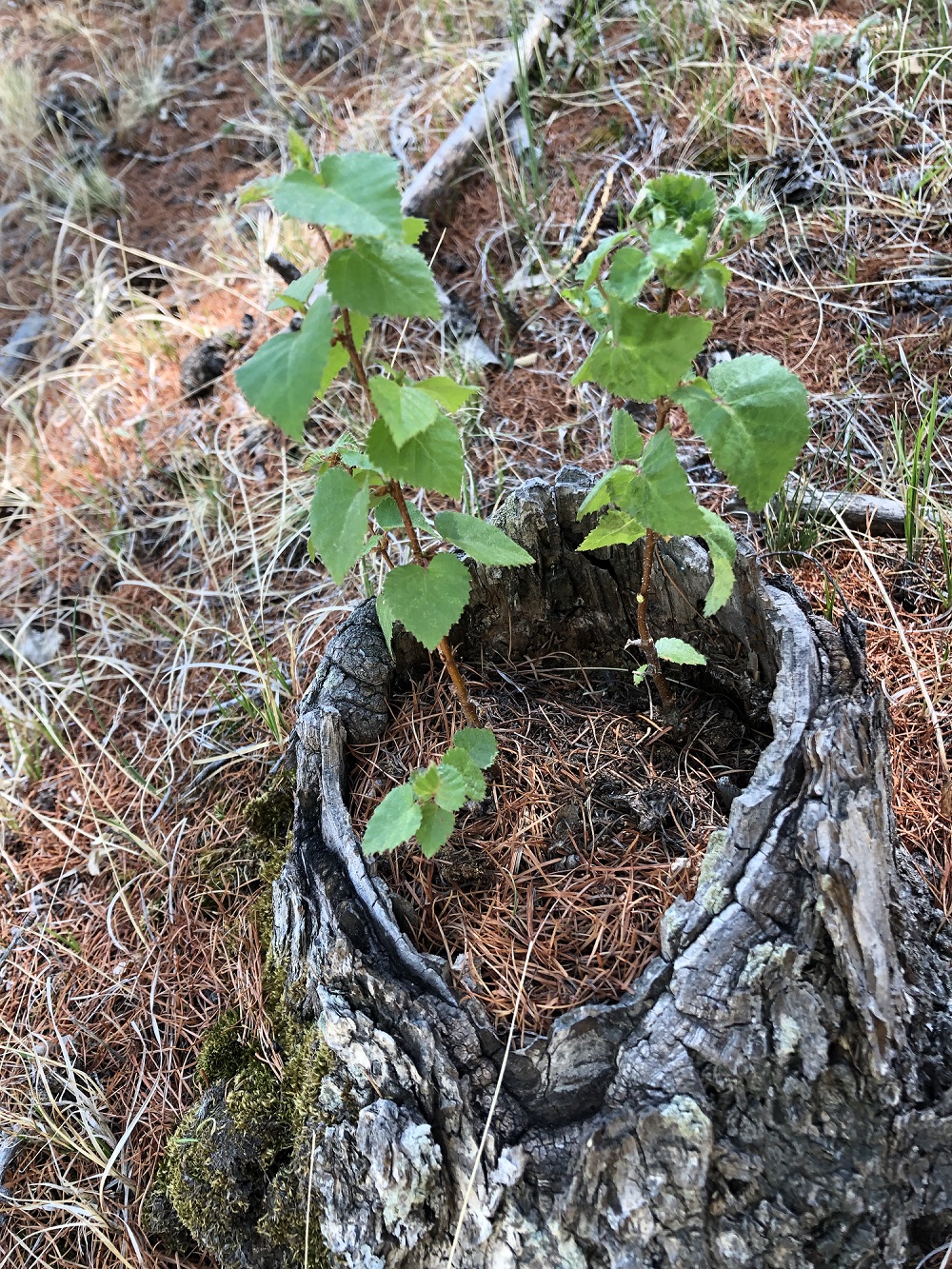 But beyond their beauty and environmental benefits, trees also speak simple, yet profound, spiritual truth into my life. Whether they be giants or tender young saplings, beaten by rain and wind or baked in the sun, they do not easily topple. Pushing their heads towards the light while their roots wriggle further and deeper into the soil, they constantly seek water and nutrients to keep on growing. In due season each bears fruit according its kind: apples, acorns and pine nuts, all of which provide food for others. Yes, trees are a reminder. As they become rooted, they remind me of my daily need to keep on growing in God. And their seemingly long lives jog my memory: there is more than this present moment; there is an eternity to be lived with God.
 While these convictions might be a part of the Mongolian culture, I do not believe that they are unique to Mongolia. To some degree, they exist in every culture. Most people want to be good, or at least be recognised for their fine character. It feels good to be good. Sometimes our virtuous behaviour leaves us with the impression that we understand misery, misfortune, and why others suffer.
 God sent His son, Jesus Christ, into our world. He entered our history, identified with man’s misery and pain, until finally His Father allowed Him to be nailed to the Cross. There, He took the weight of the world’s sin and suffering upon Himself. In that act, God experienced our final agony. The Father was cut off from His Son, and the Son was cut off from His Father. The Son experienced the loss of His Father’s love.
 While that may well be true, it has been horrifying to watch Covid-19 devastate our world. A couple of weeks after the health official’s announcement we watched a videoclip of American doctors and nurses praying. Gathered in a hospital corridor, some wept as they asked God to intervene, to stem the spread of the infection and bring peace and calm to the panicked population of their town. They also asked for healing and for wisdom as they treated patients.
 We’d always thought winter tourism could flourish in Mongolia. So, when we heard a recent mention of the ‘Mongol 100’ our ears pricked up. We had no idea what it was but, after a short investigation, we found that a British-based adventure tour company had begun an intriguing winter challenge across the frozen surface of Lake Khovsgol.
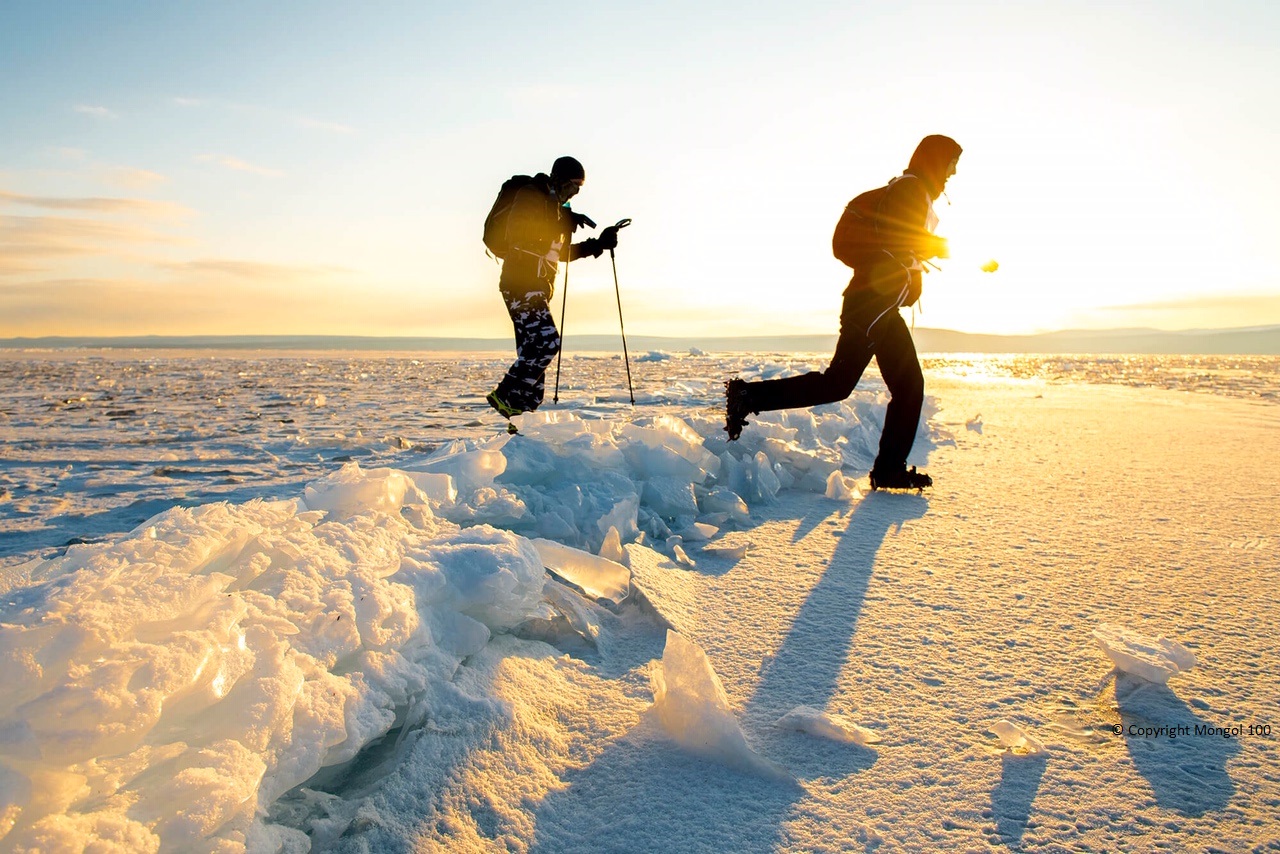 Despite the pain and the discomfort endured, people say they wouldn’t have missed it for the world. Fears were crushed, hardships overcome, and with the challenge completed, the accompanying sense of triumph was precious. They have an accolade to cherish. But they did not achieve it alone. Each participant was rooting for the other, as they did their best to reach the finish. In retelling the adventure there is joy and satisfaction. We did it! But curiously, alongside that there’s a rumbling dissatisfaction, a longing, that hankers for more.
 Sometimes, after the initial introduction, there comes that serendipitous moment when we say, ‘What, you too?’ Whether it’s a shared interest, or a philosophy of life, we realise we have a connection with the person standing before us; a connection holds within the seeds of friendship.
 The Bible tells us that a friend can be closer than a relative. Perhaps because, to a degree, they are chosen and relatives are not. A friend is dependable and faithful, loving us whether life is happy or not. Empathising with us in pain and celebrating our joys, they know us to the bottom of our hearts and still love us. Words of truth come from their lips: complimentary words that cause our hearts to swell and corrective words that crash against the wall of our fortified selves.
 Only one friend never, no, never leaves us and never lets us down. Jesus! He is the ultimate friend. The friend who went to hell for me, who endured more pain than I can possibly comprehend, and yet still loves me totally and unreservedly. The one with whom I can have a complete and true emotional connection that frees me from the fear of rejection and fits me to become the person God desires me to be; the friend He created me to be.
 Naturally, fat animals survive the winter better than thin. In the warmer months herders will try to feed their animals up and ensure that they have fodder for the winter, but sometimes the summer grass is meagre and the animals are not strong enough for winter.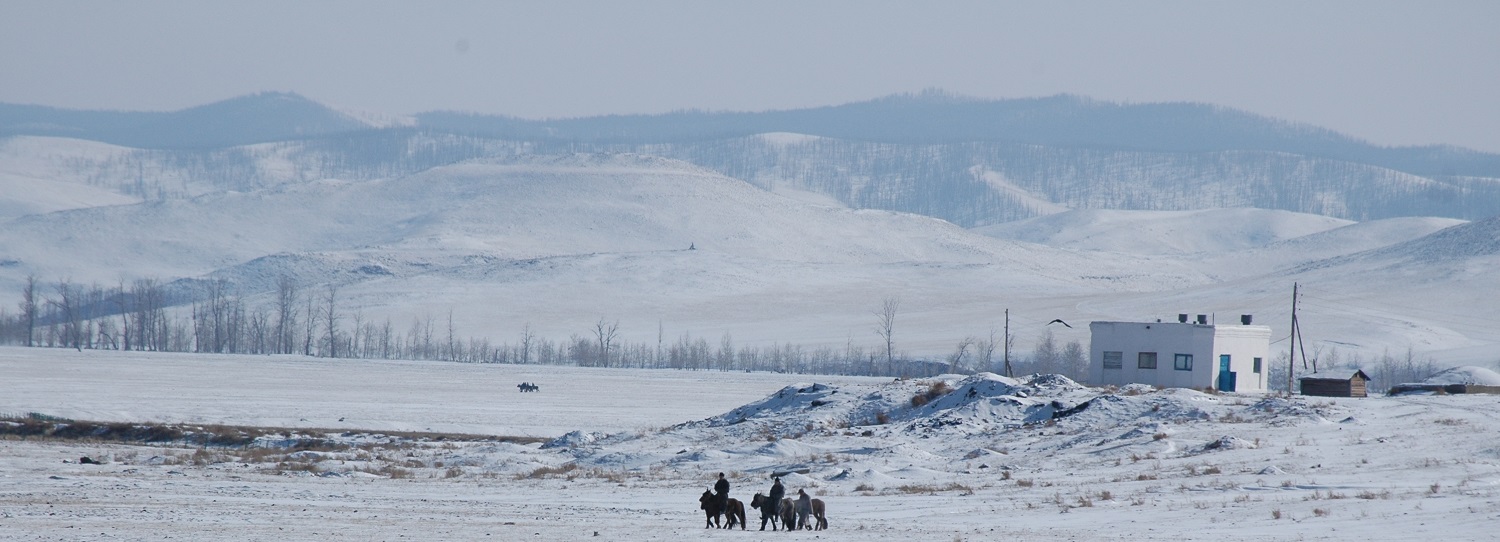
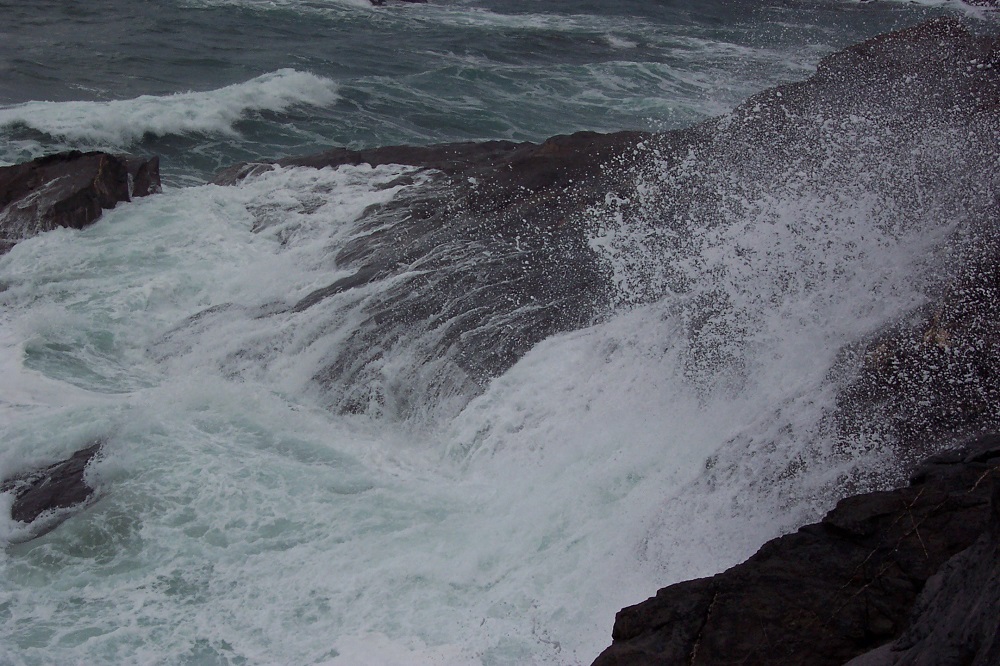
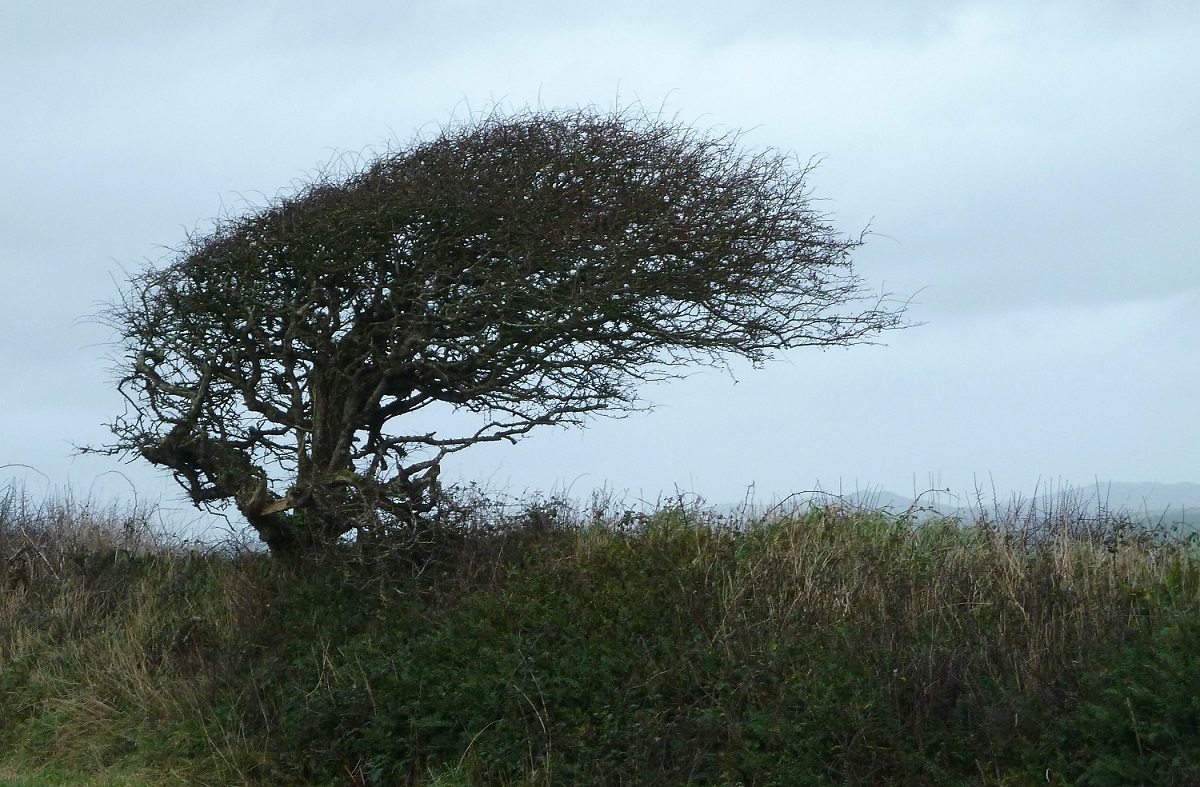 This is a wild place of untamed ocean and largely uninhabited coastline, of secluded beaches and hidden inlets. Standing on the cliff’s edge looking out to sea, it’s easy to imagine smugglers dragging ashore cases of tea and brandy, rum and tobacco.
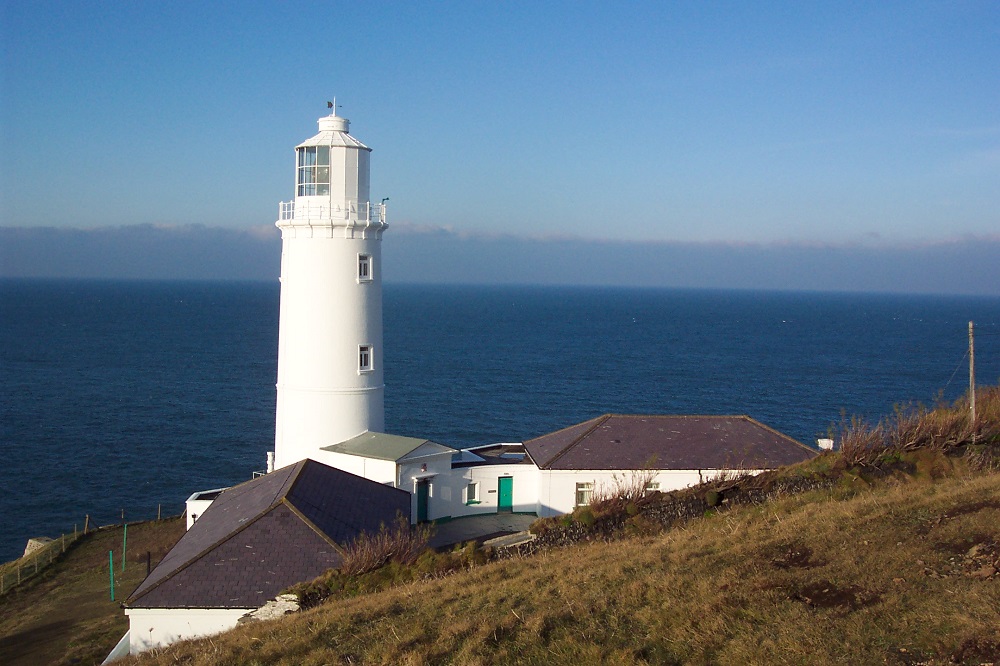 Lighthouses have a long history, the oldest dating from the 3rd century BC. In Britain, the lighthouse was initially a fire lit on the ground. Later that fire was placed on a platform before engineers began the challenging job of designing a tower, like the trunk of an oak constructed from granite, to house the rotating light. Each lighthouse, or series of lighthouses, had a slightly different pattern of signals that allowed the mariner to identify their location.
 longer needed by the seafarer. The keepers have all gone, their homes derelict or turned into fashionable holiday residences. And yet from our Cornish window, the light of Trevose Head, some twenty miles down the coast, can still be seen. Its light is still a beacon solid and stable, offering comfort and continuity, strength and stability to today’s sailors. No matter what the weather, its light is unchanging.
 Nomadic Pages