Covered by Grace…

‘I can’t remove the stain,’ said Tseren as we sat chatting over coffee. Her unexpected comment, in the middle of a conversation about the price of apartments in Ulaanbaatar, silenced me. We’ve known one another for over twenty-five years and Tseren has spent much of that time struggling to be what she considers a worthy Christian. ‘I am not good enough,’ she continued. ‘I can’t live up to God’s standard. And the longer I’m a Christian the worse the inner torment becomes. I can no longer hide who I am.’

This conversation, or ones like it, tend to underscore a recurring theme amongst our friends. Outwardly, Mongolians like to present themselves in a favourable light. They do not wish to reveal who they are on the inside for fear that such revelation will cause others to revile and shun them. Hidden transgressions and deceit remain sheltered in hardening hearts until their diminishing effects overtake a person’s identity.

Of course, these fears and actions are not exclusive to Mongolians, but endemic to man. None of us wants our unredeemed humanity exposed. Like Tseren we may try to be a good person, by trying to live according to our own consciences or the world’s standards. Neither of which are reliable as a true standard or able to address the real root of our guilt and shame.

But we have a choice. We can choose to live differently by being vulnerable to God. We’ve a coined a phrase in our house, which I am certain is not original to us: ‘Happy are those who know they are not righteous and know what to do about it.’

Admittedly, it takes determination to break the proud silence that causes me to reject God’s grace as I rationalise, twist and disguise the truth of my sin. But there is no wriggle room. There is only one way out. I must speak.

Confessing my wrong to God articulates my faith: I am a sinner and God is gracious. Words tumble from my lips, scarcely reaching His ear before I sense the stain disappears and the accusing voices are vanquished. Forgiveness has come. Not because there was any virtue in my confession but simply because of the extravagant love of my Saviour.

Ready to walk with Him again, I affirm my desire to live holy before God and man but as Tseren correctly understood I won’t be able to. Self gets in the way. My own efforts to be right, to feel worthy fail every time. But God already knew that.

There is only one way to live by God’s standard and that comes through the cry of repentance which reminds me of the cost of my salvation. God’s son, Jesus Christ, took all my wrongs when he bore the sin of the world. He hung naked and uncovered before man and His Father so that I might be pardoned, forgiven, cleansed and covered.

It is a simple, unchanging gospel truth that becomes more profound and meaningful the longer I walk with God. And, as Tseren points out, knowing that God has done what we could not do, in giving us the way to be clean and right with Him and one another brings, a liberating freedom that man cannot achieve. Because Jesus paid my debt, God accepts me as I am and that truth is revolutionising my life.

© copyright Gillian Newham 2021
Obscure directions

‘Where’s the breakfast cereal?’ we asked the sales assistant in our local supermarket. Nonchalantly, pointing straight ahead, she told us it was on the right. We followed her directions, only to find aisle upon aisle of ‘on the right’ options none of which stocked anything remotely resembling breakfast cereal. Mystified, we stood in the middle of the shop and asked another assistant. She motioned towards the back wall where the baby items were, and sure enough, next to the Pampers and wet wipes was a small selection of breakfast cereals.

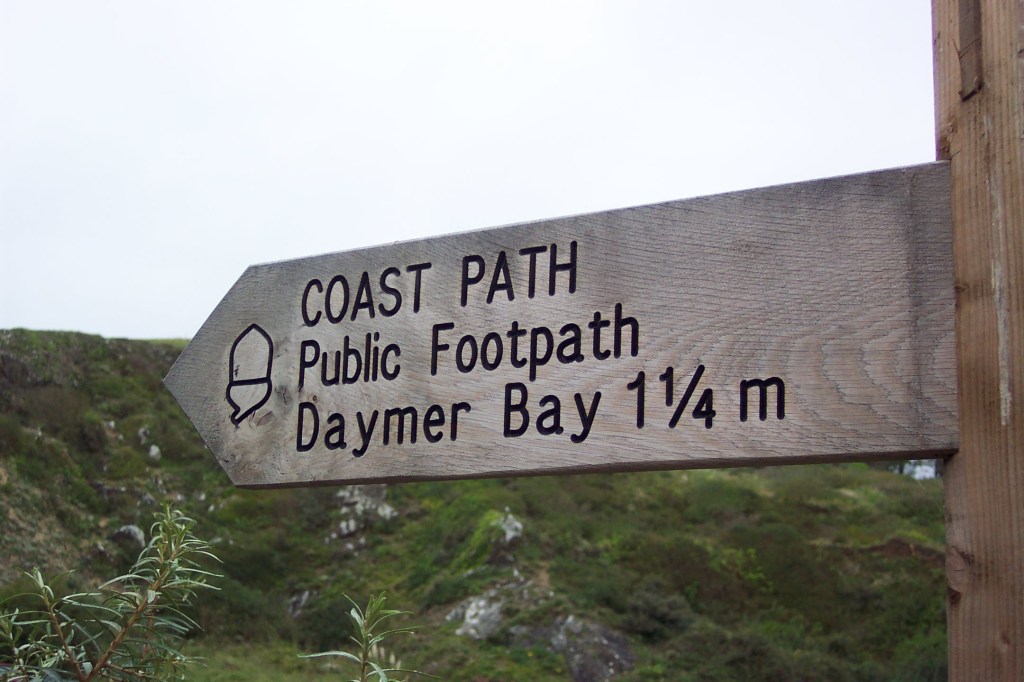
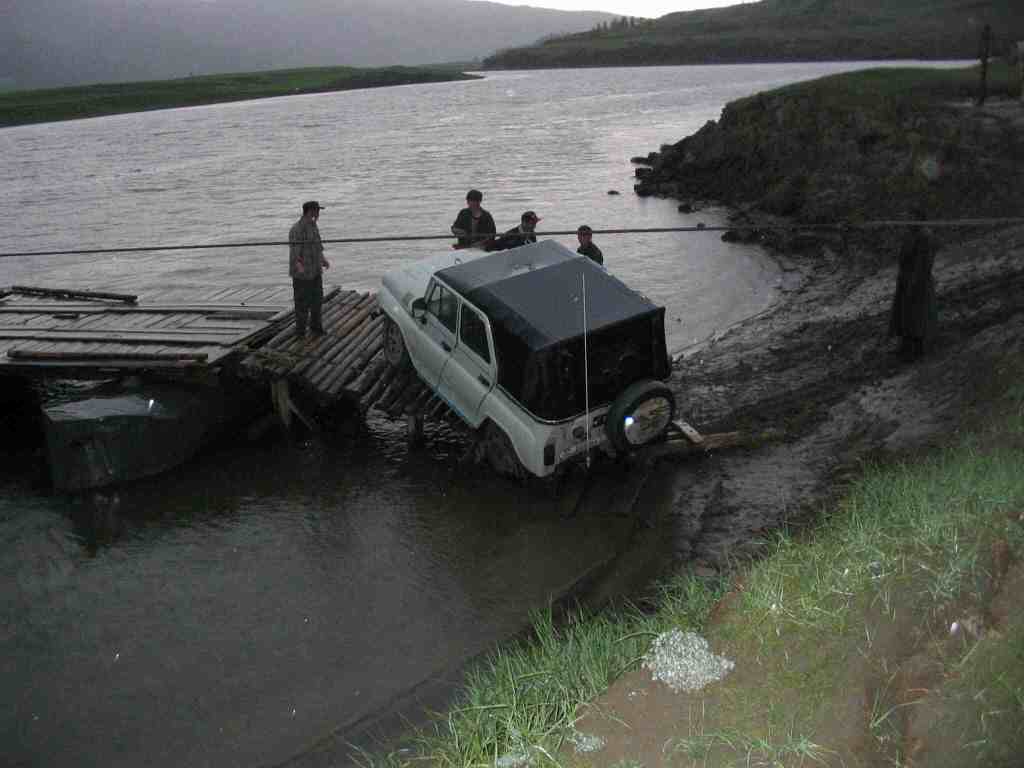
We smiled, reminded of the obscure directions we’ve received from countryside Mongolians. A herder on horseback or someone in a ger would usually answer our inquiries with the vaguest of explanations, like ‘it’s over the next hill.’ Cresting that next hill, we’d find yet another with no sign of our destination. Or invariably we’d hear, ‘just keep to this track and you can’t miss it.’ But when the track divided and headed up valleys and into the woods, or the river bridge was barely standing, we invariably did miss it.

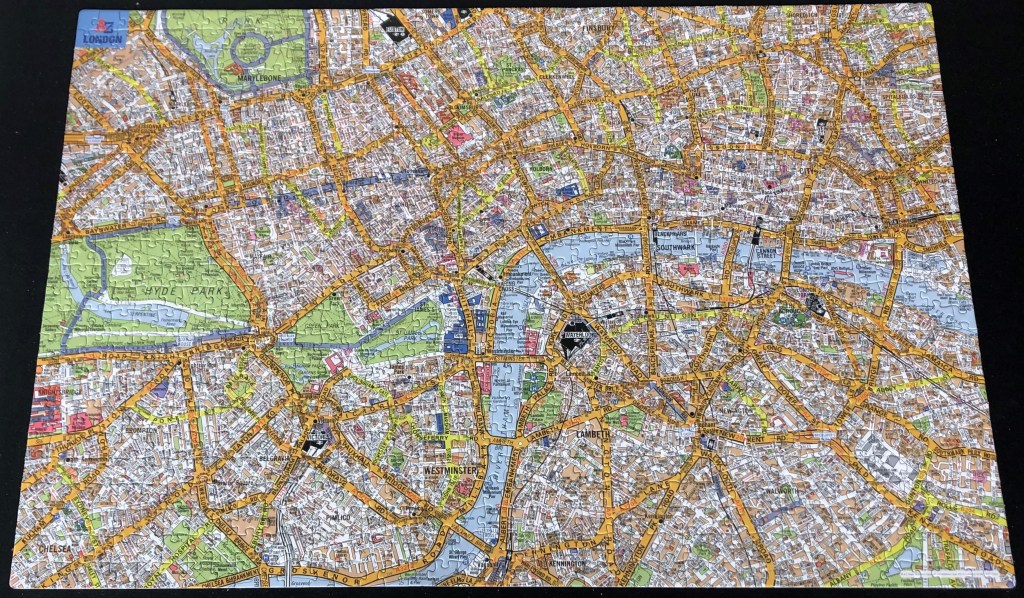
Even signage on tarmacked roads appears sparse to our western eye. Mongolia has been extensively mapped, although few, other than city-dwellers, use paper or digital maps. Historically, Mongolians have drawn artistic, pictorial maps which tend to enhance particular landscapes. Beautiful they might be, but rarely were they drawn to scale.

To the map-addicted English, of which my husband Mark is one, a reliable map is considered essential for any journey. Whenever we intend to visit a new area, Mark purchases an Ordinance Survey map to study and plan our route or walks. The map not only details all roads and paths but it also shows where car parks, cafes and, more importantly, the toilets are.

Map reading the English way feels comfortable. We can see the whole path, know what’s coming up next, and be aware of the rights-of-way and boundaries. Following all the signs, we feel like we’ve got this sussed. Whereas trying to follow a Mongolian’s direction or a Mongolian map is much more of an adventure, an exercise in faith, full of uncertainties and missing river bridges. On occasion, feeling disorientated and lost, we’ve convinced ourselves that we’ve wondered off the path.

Life seems to be like that Mongolian path. It rarely follows the neat map of my desires and plans. Instead, the way is unfamiliar with unexpected, unplanned for things happening. Sometimes the way passes through bleak, stormy landscapes, while at others it follows calm still waters. I cannot know the details of my journey, or peek into the future. I’m not even sure what might happen today, and that can leave me tossing and turning. But my ambivalence is an opportunity to trust. For I have a personal guide: a God who not only walks with me but leads me better than any GPS. He calls me to listen, trust and follow His Word. To entrust myself to Him and take the next step, assured and confident that He will guide me through the ups and downs, twists and turns of life, safely to my destination.

© copyright Gillian Newham 2021
Know God, Know Self

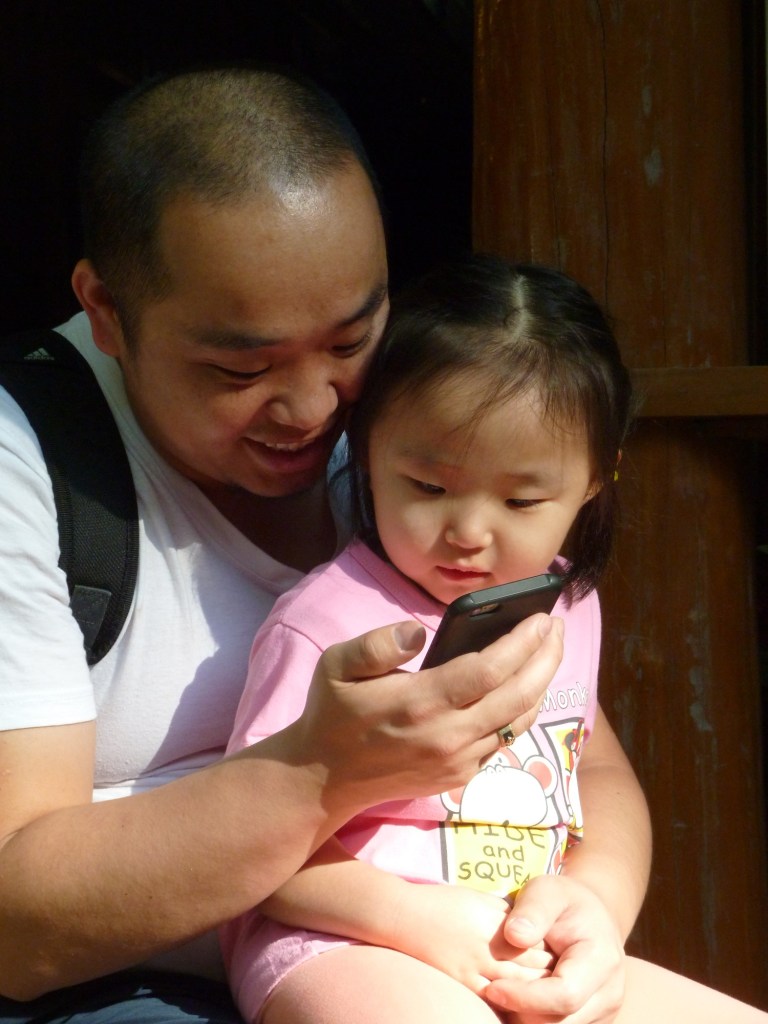
People have described Prince Philip as his own man. A man who, despite the institution he married into, maintained his individuality. But many of us live in a world where it is not so easy to identify who we truly are. The media subversively pushes us towards ‘conformity.’ Peer influence encourages us to fit in, follow the latest trends and be the same as everyone else.

For Mongolians, in a country that is rapidly developing, holding on to or finding their personal and national identity is complex. Definitions change. Once people aspired to have large herds of cattle. Today they long for a good education, a lucrative career and a comfortable life. It’s hard not to succumb to trends and the sheer force of others’ opinions and affirmations. Once, a person clearly knew their place in the family. Now, with families rupturing and marriages failing, ambiguities reign.

And amongst our Mongolian friends we see fear lurking as they try to find acceptance and gain connectivity. Their constant efforts to fit in and be the person they imagine others will accept takes its toll.

But striving to belong is not solely the disease of Mongolians or non-Christians. It is amongst Christians too; I recognise it is in myself. Countless times, I’ve tried to be someone other than myself, only to be disappointed when the pretence quickly collapses. Did I foolishly think I could really change myself, or worse still, save myself?

It is only in realising that there is no real life apart from God and seeking Him as we are, in our squalid, sinful state, that we find and become our true selves. Coming to Him, we find acceptance as His divine love touches us in an act that changes us forever. His touch enables us to embrace the reality of who we are. Only then can we truly surrender our all to Him. His full, unconditional acceptance of this sinner helps me accept myself. Because an encounter with God is an encounter with His mercy. He takes my squalor and begins to change the unloveliness into something beautiful for Him.

Trusting ourselves to God gives us an identity that is eternal and the dawn of a new revelation: we are of inestimable value to Him. This truth is astounding! My worth does not lie in what I do but in who I am.

I want to trust in God alone and walk in His way, but my eye is frequently diverted and I miss His presence in my life. My heart cries: Lord, give me discernment to see you. Let your divine love define me, anchor me where I belong and assure me that my identity is found in you alone. And in that identity, which every fibre of my being longs for, lies uniqueness: the uniqueness you created in me.

Yes, God has made every single person a unique individual. We are not to try and be like another or follow the world’s trends but we are to live as the person He created us to be. We are not perfect and we are continually learning to be ourselves in Him. Guarding the truth, letting it grow in us and living beyond pretence, brings peace but also a confidence that is other worldly. And that confidence points people towards God and their true identity.

© copyright Gillian Newham 2021

The Sun Rises Each Morning…

Please be advised that this post briefly refers to a recent case of self immolation. If this would cause you distress, then please feel free to wait for the next blog.

‘I trust the wick I ignite will bring light,’ the young man told his friends as he travelled by taxi to Ulaanbaatar’s central square. His friends, on the other end of the phone, laughed, thinking that he was going to make a Buddhist offering of light. A few minutes later, he stood on the Square covered himself in petrol and lit the flame. It was a stomach-sickening shock for everyone in the country.

People quickly assumed that the stress of the Covid -19 pandemic or even the government’s shortcomings had caused this young man to take such horrifying action. But no one really knew the despair that had captured his soul, although our hearts screamed out in pain as we prayed for his family, friends and this land. He wanted to be a light, to draw attention to something but his actions stunned and confused people.

Two weeks ago, a lovely friend of ours died. He, Barbaatar, and his wife Chimgay, had come to know the Lord later in life. Immediately after Barbaatar became a Christian, he gave up his day job to become a pastor, after which they spent eight years living in Siberia working with the Buriat people.

They returned to Mongolia nearly three years ago as Barbaatar was suffering from a degenerative disease to which the doctors were unable to give a definitive diagnosis. We visited Barbaatar and his wife Chimgay regularly, always praying and desperately hoping for answers but finding none. God seemed to have gone mute. Instead, we watched with horror as Barbaatar lost his mobility, his speech and finally his ability to breathe.

It was heart-breaking. Yet there was warmth and joy in their home because Barbaatar and Chimgay chose to remember that the sun rose each morning and that each new day was full of God’s goodness. They remembered what He had done for them and chose to hold on, knowing that His steadfast love never ceases, and that His mercy is fresh every day of our lives.

In the moments when they floundered, their church community supported them. Even though Mongolia passed through various stages of lockdown, their church family continued visiting them. The church loved them and that love sustained them. When they could not pray themselves, the prayers of others upheld them. The love of their church fed them, enabling them to keep on trusting God. They treasured their community, learning to listen for signs of His presence as they opened their hearts to Him in prayer.

The darkness, fear and unanswered questions took them to God. In the severity of their pain, unlikely blessings demonstrated that God’s compassion is limitless. And as they lived through each day, something shone from their lives: the reality of God’s mercy amid tribulation and of His mercies in lament. Without words they were proclaiming where their immovable hope lay, for they had received the true light of the world: Jesus Christ. The one who, paradoxically, takes man’s despair, the type of despair that takes us to our knees crying for deliverance, and uses it to form the core of our salvation.

© copyright Gillian Newham 2021
Birds. . .

In her book ‘Pilgrim at Tinker Creek,’ American author Annie Dillard encourages her readers to Learn to pray with their eyes open. That phrase has stuck in my mind because I think Dillard is urging me to be attentive to God and my surroundings.

This past year of lockdown has been an opportunity to pray with eyes open, to not be in such a hurry or so preoccupied with completing tasks that we forget to be attentive to what’s going on around us. We are learning to listen and notice that evidence of God’s creativity abounds.

In forests, we’ve watched delicate snow showers cascade from overburdened branches like confetti falling on a bride and her new husband. We’ve held our breath, waiting for the woodpecker to resume his tapping and the birds their song, as we newly discover the breadth and diversity of Mongolia’s bird population.

Many endangered species reside here, probably because the country is large and the human population small. Nomadic culture and sparse development beyond populated areas has left the countryside largely unscathed, letting animals and birds flourish without human interference.

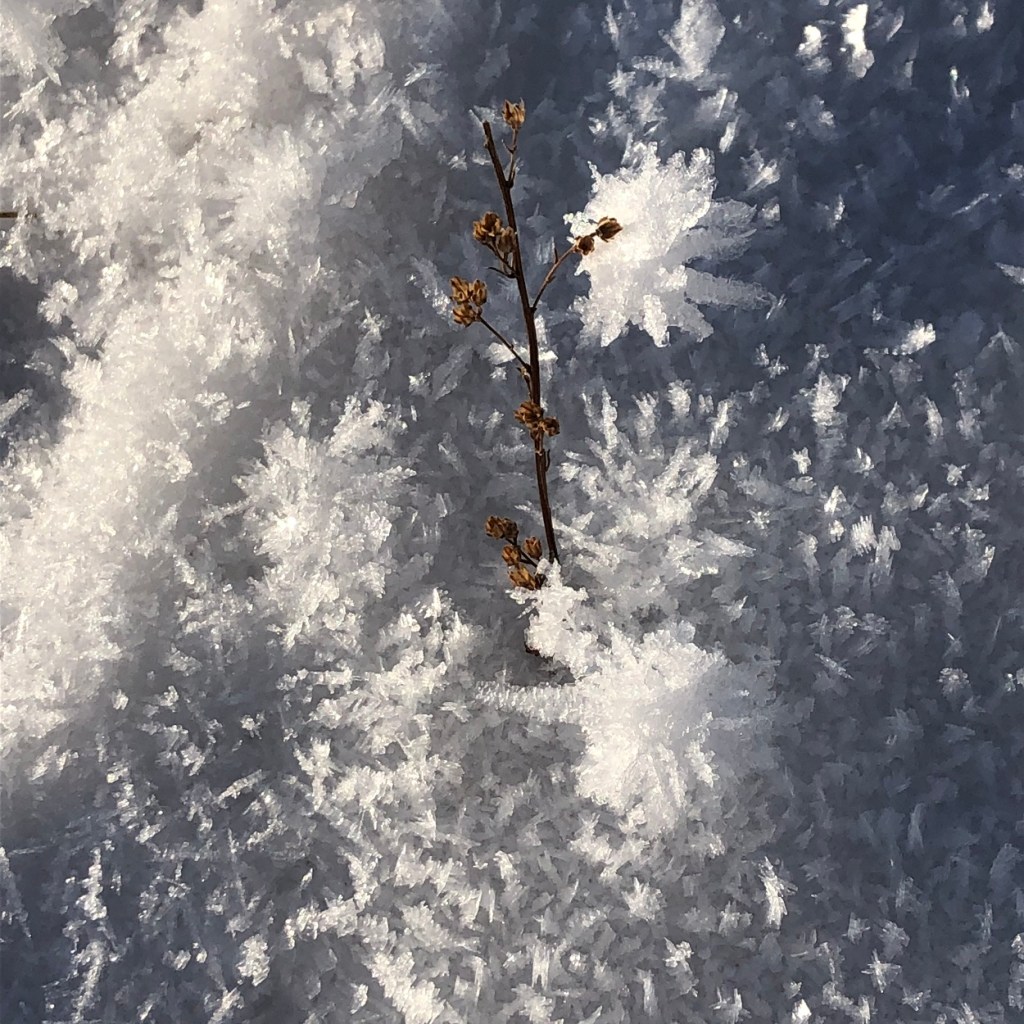
Like most countries, Mongolia has plenty of stories of the ancient links between bird and man. Chinghis Khan had many great falconers who used golden eagles to hunt and keep people fed during the harsh winters. Today falconers, in the far west of Mongolia continue that tradition. The magpie, collector of all things sparkly, with his distinct white, blue, black and iridescent green feathers, supposedly announces the arrival of an unexpected visitor when seen sitting on a ger’s hitching post. And swallows, arriving early summer from wintering in Africa, carry with them a sense of the constancy of the changing seasons that Mongolians say, points towards eternity.

Aware of our ignorance, we have bought a book about Mongolian birds in the hope that we can finally recognise and name the birds we see. But it’s a slow process. We need to sharpen our vision, discern the differences between a variety of crows and appreciate the birds’ routines. And not least of all, learn from others.

Yet a flock of sparrows near our house, has happily made their home in a huge, tangled mass of thick wire. They’ve adapted to their surroundings. But the reality is that progress endangers their environment and destroys their habitat, causing them to decline or die. It is a delicate balance of which the birds are unaware.

But life here is not static. Mongolia is rapidly changing. Fewer children follow their parents’ nomadic way of life. The discovery of vast mineral deposits promises development and wealth for Mongolia and disruption for the countryside. Pollution and steppe fires, poaching and overgrazing of cattle are beginning to impact wildlife and threaten the birds’ habitat.

Life is a delicate balance and walking with God in this complex changing world requires attention. Praying with eyes open, we learn a lesson. Birds live lives abandoned to their creator. Resting in His hand, they receive His wonderful care as He supplies all their needs. They live without anxiety and truly soar.

The simplicity of this good news proclaims a profound truth: all things in the universe that have been created by and through Christ are sustained by God.

Longing for home…

The road is empty of vehicles. The landscape, still under snow, lies dazzlingly bright, unstained and trackless. Only the wind disturbs the serenity. Howling and groaning, it whips snow into frenzied twisters that brutally batter all in their path. The blue sky is hidden and the ubiquitous winter sun relegated to a luminous glow through the dullness.

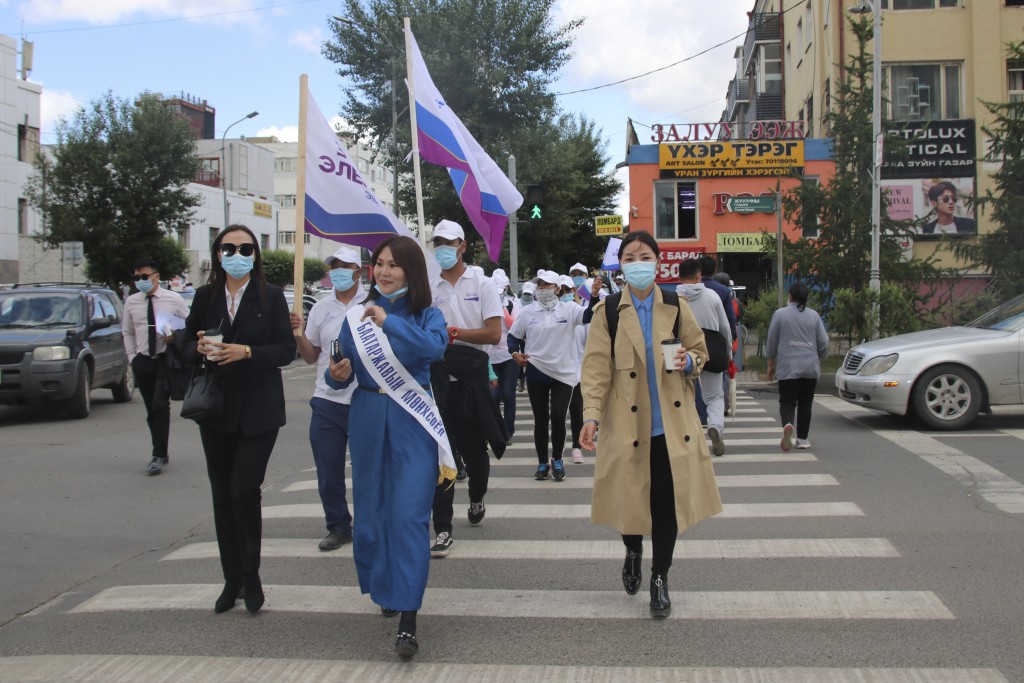
We smile; the greyness reflects our mood. Lockdown has eased although our movements remain restricted. Most Mongolians, who are able, opt to stay at home with their families. And suddenly it hits us again – we are not a part of their families. We are not Mongolian. I know, it’s obvious, but there are times when, absorbed in friendships and the challenges of the day, we forget that we are foreigners in this land. However, this isolation accentuates the truth – we are outside people.

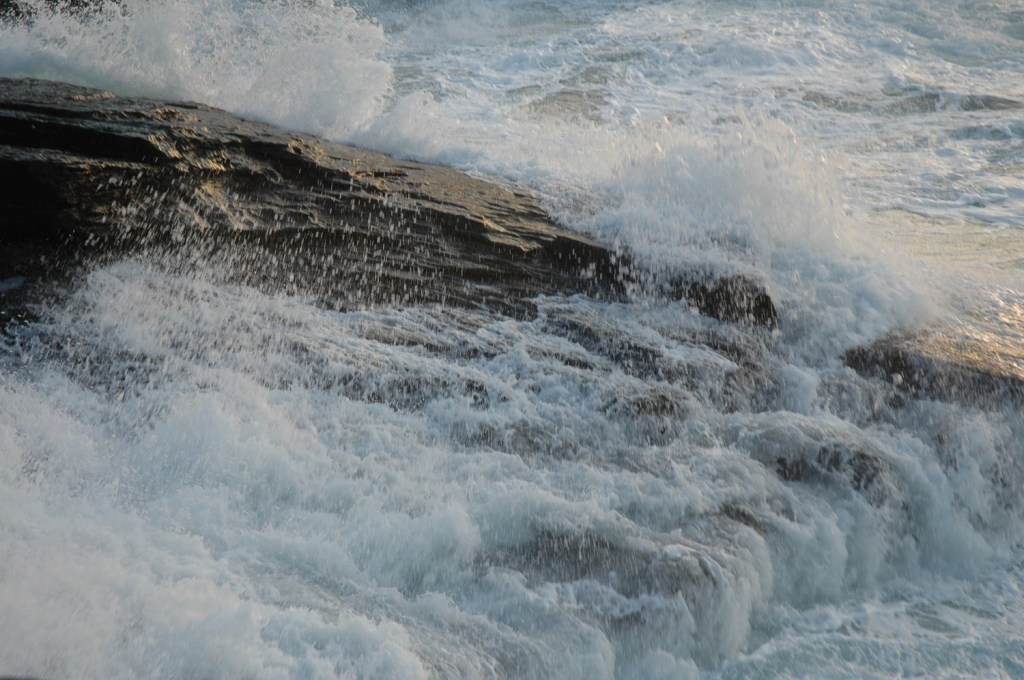
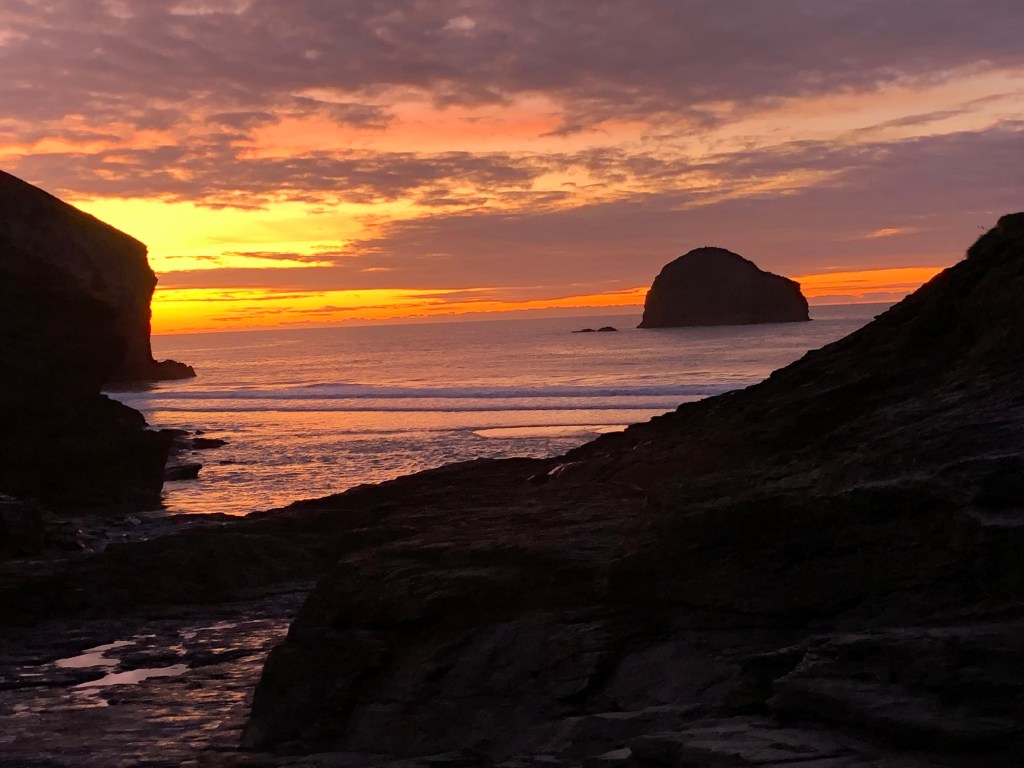
We dream of England, the land of our birth. We remember family and friends, happy times of celebration and walks along the North Cornish coast where the waves constantly rise in foaming crests only to fall flat on the beach. We remember the rocks where we stood to watch the sun descend as it lights the sky like a winter hearth. That moment was perfect. We want to hold onto it, making it stretch across time.

We love to return to the place of those wonderful memories. But, somehow, it’s not the same. Our memories are grander than the way things really are. Things have changed, the place is different to how I remember it; people have moved on or gone. Yet, beneath the memories, the longing remains the same – the desire to truly belong.

It is easy to mask our loneliness, or perhaps I could call it a sense of homelessness, by trusting that a loving family and a beautiful home will meet our longing to belong. To some degree they can and do meet that need. But families grow and change and homes come and go. Yet the desire to belong persists. Something in us yearns for a love that will last forever, for beauty that will never fade or diminish. But this world cannot satisfy that longing. It’s like we are strangers living in a place that is not our true home, living in a place where we reach forward towards a home that we’ve yet to experience.

Sometimes I feel exiled, detached and alone in this spiritually unwelcoming world. Then I remember Jesus’s words to His disciples before He went to the Cross. …if I go and prepare a place for you, I will come again and will take you to myself, that where I am you may be also.

This is the home God has made for us, the place where He dwells, where we can live now and forever. By faith and through prayer, we inhabit that home now, the place where God can absolutely fulfil our deepest longings by His unending love and His undiminished beauty.

© copyright Gillian Newham 2021
The Poor…

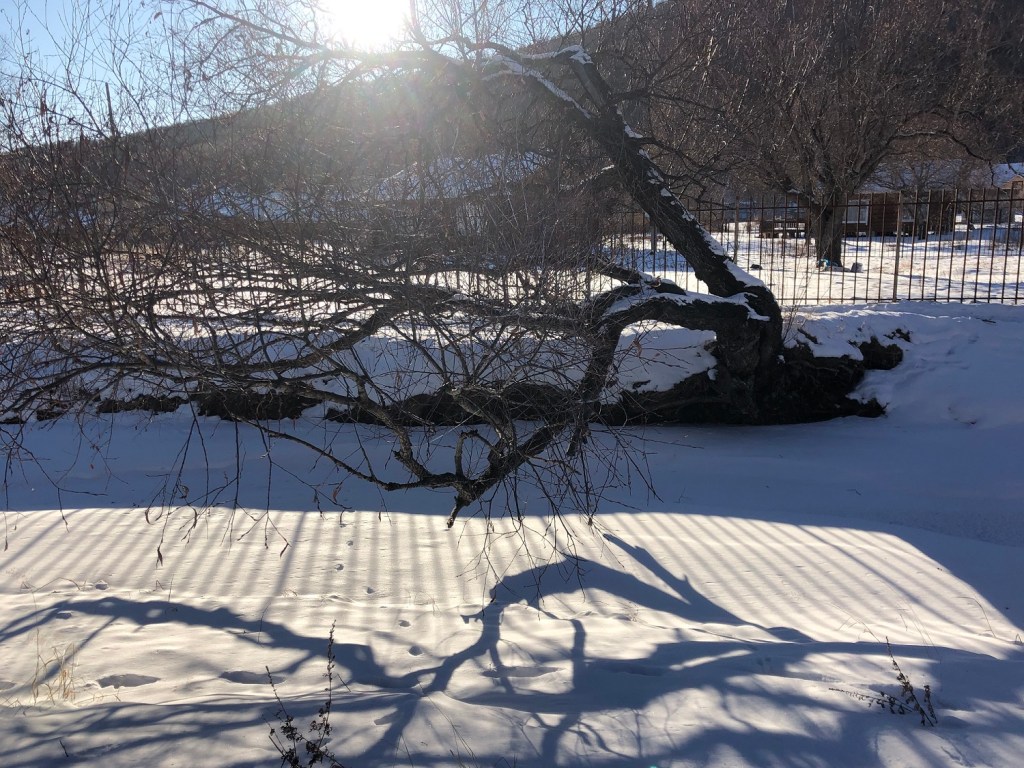
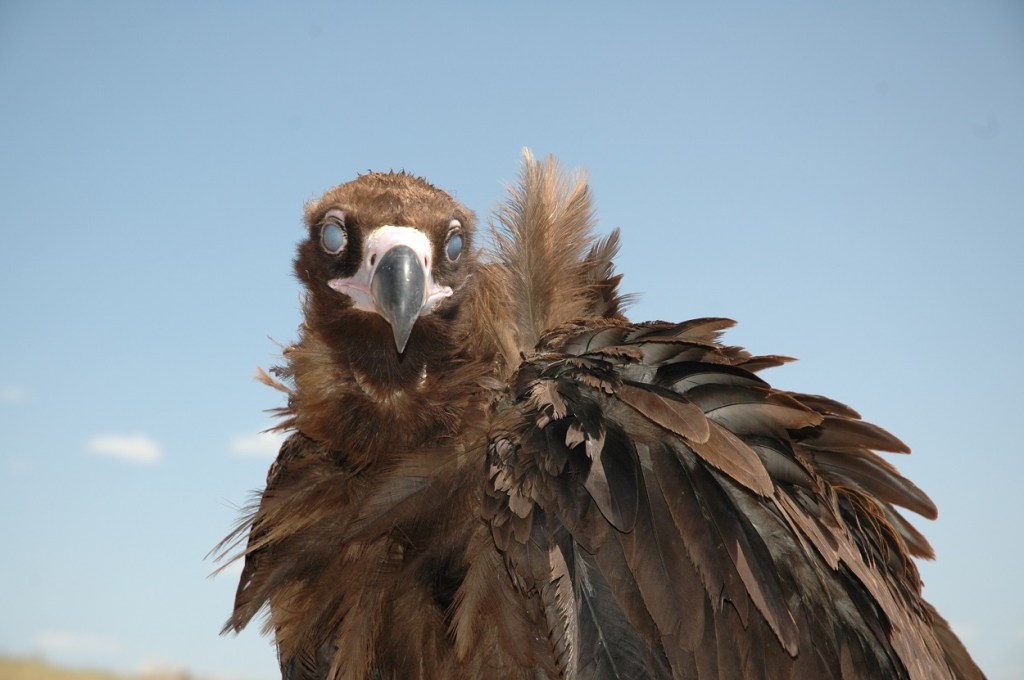
There’s a period in November when the daytime temperatures linger around a balmy minus ten degrees Celsius. Enjoying the pleasant dry cold, we long that the whole winter might remain like that. But, inevitably, the mercury plummets below minus twenty and beyond.

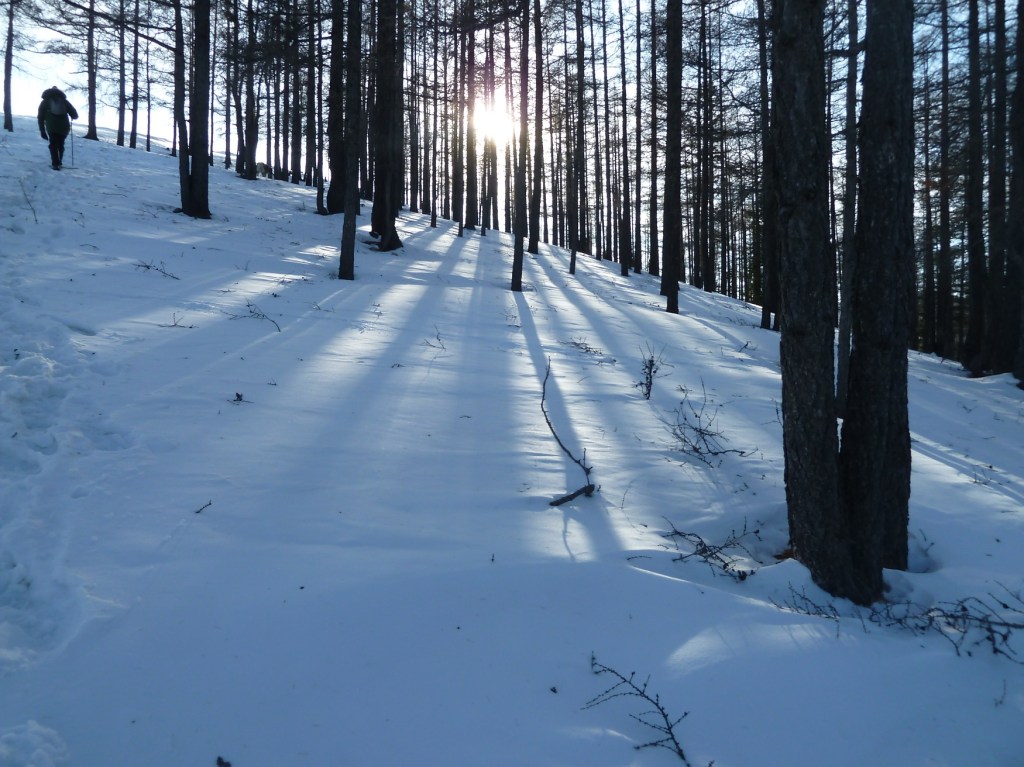
Despite the icicles that grow on our scarves and our white crusted eyebrows, we try and go out each day. We walk in the woods amongst stark trees. Gnarled and twisted, they moan as the breeze pushes their branches this way and that. We follow the footprints we made yesterday, careful not to fall down a rabbit hole or trip over buried branches. Streaks of sunlight filter through the trees, causing us to cover our eyes as it illuminates the snow’s brilliance.

We walk by the river. It’s even cooler there. Relentlessly, the toothy wind bites at our cheeks. Ice crackles beneath our feet reminding us that we’re walking on frozen water. The river, silenced by cold, gleams in the late afternoon sun. We shiver as the sun dips below the hills, leaving the sky ablaze although there is no warmth to be found beneath this landscape’s snowy eiderdown.

Stray dogs scavenge for food. A grandma and her grandson we’ve met a few times call out to us. We stop to chat. She has a folded sack tucked under her arm and her grandson pulls his empty sledge. They are heading into the woods to gather firewood before it gets dark. Her scarf, wound tightly around her head and neck, exposes only her cherry cheeks and eyes. Despite the cold, her eyes smile with warmth as she invites us to her home.

Knowing she has so little, her generosity is humbling. This lockdown has been tough. Many poorer families struggle. Many have lost their jobs, or not received wages for weeks. They grapple with finding ways to keep their families warm and fed. The winter exposes poverty more than the summer. The cold can shatter people’s hopes.

Churches in Ulaanbaatar have gathered funds and bought essential supplies for families in their area. Perhaps it isn’t much, but it keeps people fed and warm for a few more weeks. Everyone helps as they are able, but the needs are great. I wish we could eradicate poverty. I know I cannot. All I can do is be faithful to what God has called me to do. Yet I don’t only want to give a sack of flour to relieve a need now, but I pray that I might be able to help a family find a way to sustain their own needs.

Perhaps my thoughts are naive. Transforming a person’s poverty until they can stand in a place of dignified independence is a complex task of restoration that requires careful thought and planning. It feels impossible.

But I am thankful that God has the ultimate plan to restore the poor. His plan became incarnate in Jesus. He did not come to earth simply to bring relief to man’s physical poverty. Pouring himself out in costly service for impoverished mankind, He came to heal the root of our spiritual poverty and its effects. Jesus came to transform our lives. Not to make us independent but dependent on Him.

Christ’s actions on the Cross enabled God to endow those who recognise their soul’s destitution, with salvation wealth. His unmerited grace transforms us and the supply of that grace never ends. Daily, we can receive the love and healing that God offers. And on a dull winter’s day that hope brings rich joy to our hearts.

© copyright Gillian Newham 2021
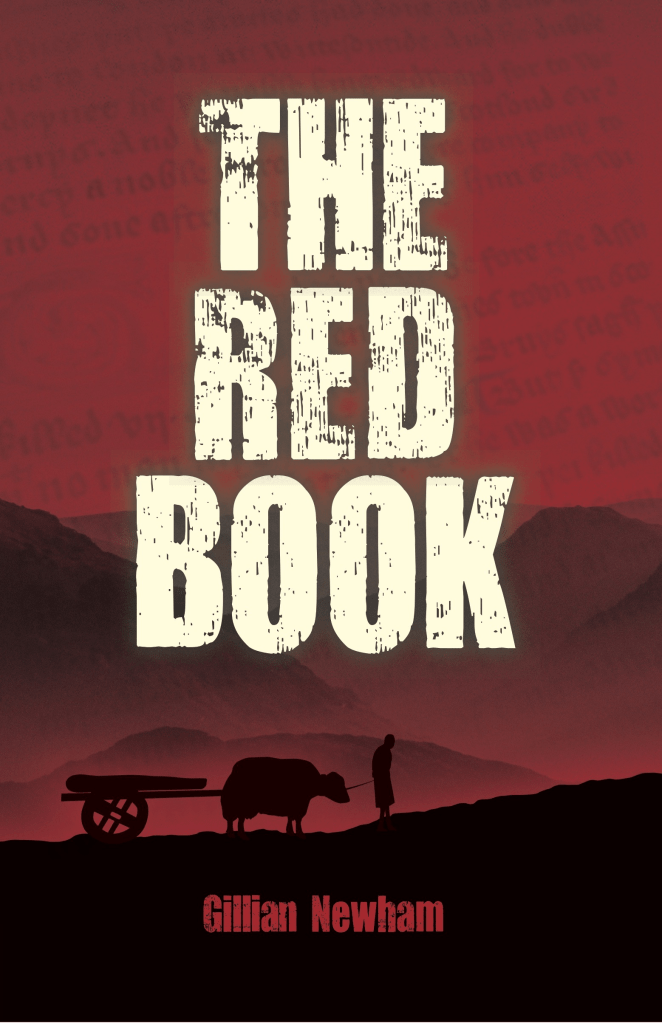
If you like Gillian’s posts do not forget her latest novel

You can find out about buying this book from the following link or simply go to Amazon. http://bespokechristianpublishing.com/buy-the-red-book/


quiet and stillness…

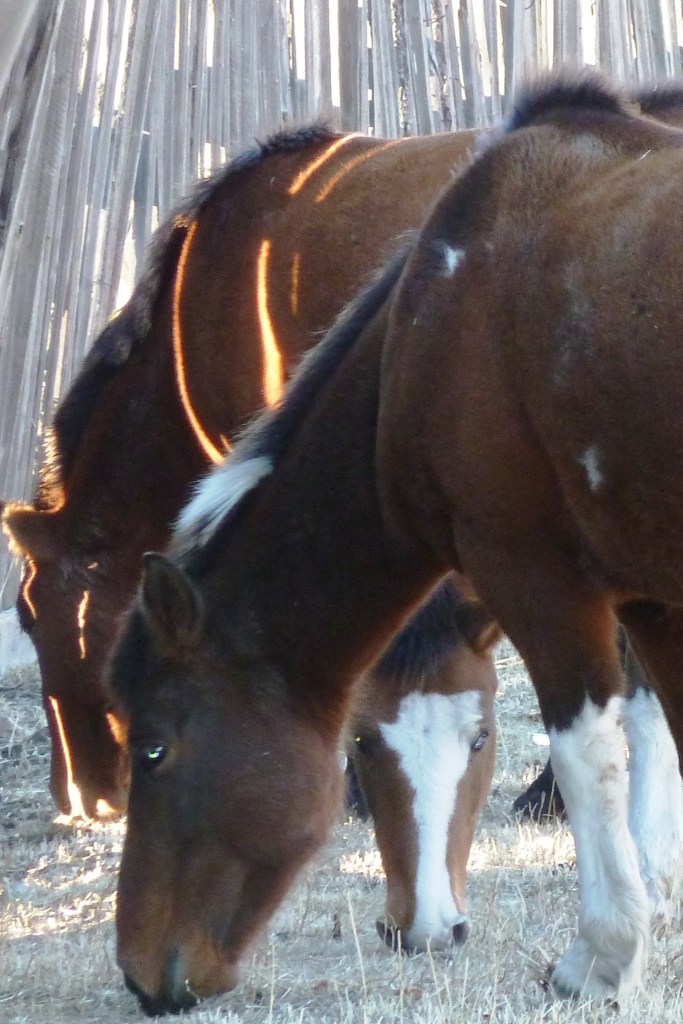
Opening the blinds on the steely post-dawn light, I notice that the horses are back. There are twenty or more of them, black and every shade of brown, snatching tufts of grass and drinking from the shallow river that passes close by our home. Tails flicking, heads tossing, they tread barefoot over the uneven ground. Their stocky bodies move gracefully at a gentle pace. Their manes unfurl like flags in the wind. Puffs of moisture escape their nostrils, and I hear the squeal and nicker as mother and foal walk side by side.

All summer the horses have been absent, I think. But then from June until the end of September, life bustles here. Living on the edge of Ulaanbaatar, we are right in the middle of the traditional area where city families spend their summers which is a time when our normally quiet corner of the city teems with life.

Vehicles choke the roads, shoppers crowd shops and local market stalls while the riverside becomes a carpark for day-trippers barbecuing and partying late into the night. The sound of banging, drilling and sawing accompanies the steady rumble of traffic as property owners renovate their homes. It’s noisy but fascinating too, Absorbed, we watch the comings and goings, intrigued by summer’s frenzied activities.

Come October, the pace slows significantly and by November, as temperatures plummet, the stillness returns. The locals pack up their gers and move to sheltered winter places. Baasan-huu, a herder who lives on the other side of the hill, takes his sheep and goats out to pasture. Every day he leaves his ger in search of the best grazing land.

Fenceless and without roads or bridges, the steppe presents perpetual possibilities for adventure and infinite opportunities to find pristine pasture. But the wise herder knows that the lure of adventure must not divert him from his quiet, settled routine. He must resist the temptation to leave the well-worn path in favour of discovering some thrilling uncharted way. Even though his daily steps might vary a little, his constant focus is to find grass close to home that will nourish his animals because their health depends on it.

Perhaps the horses were here all summer and I just didn’t notice them. Did the noisiness divert my attention? Like Baasan-huu, those who live in this area year-round, maintain their daily routine no matter how loudly the visitors party.

The unassuming presence of the horses is a poignant reminder: that which clamours for my attention can blind me to God’s merciful presence in this world and my life. Preoccupied with the din and subsequent activities, I don’t notice God’s voice fade, that is, until something inside me shouts ‘Shh,’ to the external noise.

With purpose, I seek quiet and stillness, knowing that our wise God speaks softly. I draw closer, leaning forward to hear His word. He reminds me that He is immoveable, unchanging. Constant, close and familiar. I see my capricious nature and vulnerabilities in the light of His steady faithfulness, and with thankful heart receive again the invitation to walk the well-trodden calm path with Him.

© copyright Gillian Newham 2020

Memories…

Just over thirty years ago, Mongolia became a democracy. Seventy years of Russian communism, outwardly, slipped peacefully away as radical new laws changed the foundations of the country’s constitution, paving the way forward for democracy.

              Despite the nonviolent transition the journey has not been a smooth one. The initial departure of technical support to Mongolia’s industry and breaks with their foreign trading partners left the country reeling. Harsh economic problems followed. Inflation soared, unemployment skyrocketed and it was hard to get food.

              Slowly the country’s economy strengthened but the elected government found their struggles against the communist way of thinking were far from over. Factional differences were rife and rumours of corrupt government ministers constantly hit the headlines.

              Remembering easier days, many longed to return to the way things were. Some still do. The ordered city with clean air and less traffic. Shops brimming with food from across the former Soviet Union. Public concerts and dance circles. Free university education with generous stipends. Bosses who were older, wiser and more respectful of the people they governed than these younger leaders. Tearfully, they mourned their loss.

Mongolians are not the only ones prone to bouts of wistfulness. We too have moments when we imagine life was better than it is today. While that may be true, it is rarely possible to re-experience or recreate past events and the feelings attached to those events.

Christians are no exception. When our lives become chaotic and messy, we long for the return of peaceful days. When beauty seems to disappear and ugliness becomes the order of the day, we are apt to pine for the contentment of past blessings.

              What is it that makes us remember some events and parts of our lives with such fondness? What is it that causes us to overlook the negatives, the irritations and petty annoyances that must have been there and simply focus on the positive? Could it be that we know how those events turned out? Today’s world is filled with uncertainties. We do not know what is going to happen tomorrow, let alone next week. In the face of the unknown, the pull of the past can be powerful.

But we should not seek to relive our experiences or to let them overtake the present. Memories of happier times should not divert us from the purposes God has for our lives today. Rather they should serve as a reminder, telling us of God’s goodness and His continued faithfulness.

The Mongolians wisely recognise that they cannot return to what was, but in remembering they can draw those memories into today and allow them to shape their fresh future. Likewise, as we draw on our past, bring it to God, review it in the light of His word, and allow Him to renew us, then He will propel us forward into the newness of today.

© copyright Gillian Newham 2020

Fools for Christ…

We love the Mongolians and we love living amongst them. But there are moments when frustrations overtake us and we feel pushed to our limits and beyond. Often those times are marked by a particular discouragement that strikes us squarely in the stomach and knocks us to the ground. At such times, we often wonder whether we are fools.

I recently published a simple Mongolian novel[1] which begins with a Scottish missionary tramping his way through the Gobi Desert sharing the gospel with seemingly no visible results. The protagonist asked himself whether he was a fool too.

Altanbaatar with his parents

It shocks me to think of the ease with which disappointment and discouragement trips me up, leaving me questioning my calling and, worse still, moaning about my lot. It seems to take a little while before sense alerts me to my own shortcomings, which are many. How many times have I disappointed God, or used Him? And more precisely, what does my reaction reveal about the inadequacies of my own heart?

God is always gracious in His rebukes, enabling me to glimpse what He is doing while my eye has been focused on what I think should be happening in a person’s life or a given situation. As I repent and move forward, God has a habit of blessing me with encouragements.

Last week we had a telephone call. The caller said that he was Altanbaatar, Batjargal’s son from Arhangai. We immediately thought of the scruffy young lad with a passion for basketball but that lad has long since gone. We heard he had become an alcoholic.

We met him in a café in the city. Before he even spoke, we knew that he was no longer drinking. He told us how he managed to track us down and about the last ten years of his life. He spoke of his misuse of the church and Christians, of his downward spiral into oblivion that led to hankerings to end his life, particularly after the death of his parents which left him grief-stricken. But he said, “Some great fear prevented me from actually following through on those hankerings.”

Altanbaatar with his fiancee

Two years ago, God amazingly connected Altanbaatar with a Christian alcohol recovery programme. Step by step the programme enabled him to gain sobriety. As he began to experience life without alcohol, the Lord drew Altanbaatar back to Himself, until he was changed.

Today he helps others find the recovery and transforming truth of the gospel that he himself has experienced. His mother would have been leaping, or rather lifting her walking stick in praise to God. Despite her own frailties and her seeming physical insignificance, she was a pillar of the Arhangai church. In the years when she was bedridden, her worn Bible was constantly at her side. She read it and read it again, interceding for all who came through her door.

She lacked education. She lacked wealth and held no position whatsoever in society. From the world’s perspective, she was foolish. Truly a fool for Christ. Beyond the things that trip me up, I trust that God will enable me to be such fool as Batjargal was.

Altanbaatar’s story used with permission.

© copyright Gillian Newham 2020


[1] The Red Book – available on Amazon and via this link