Movements

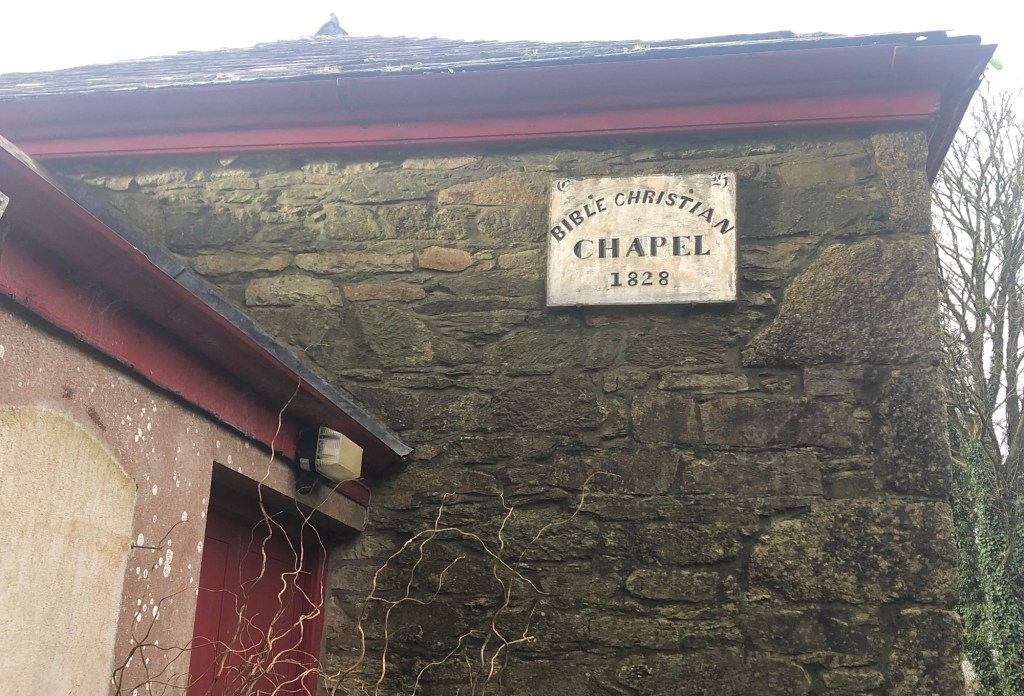
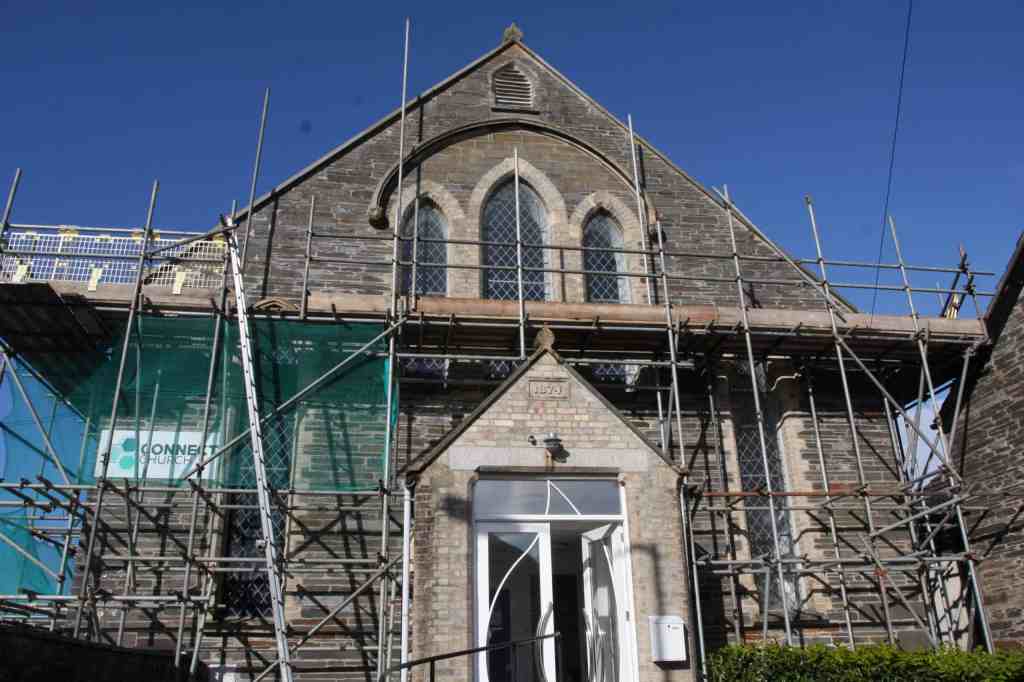
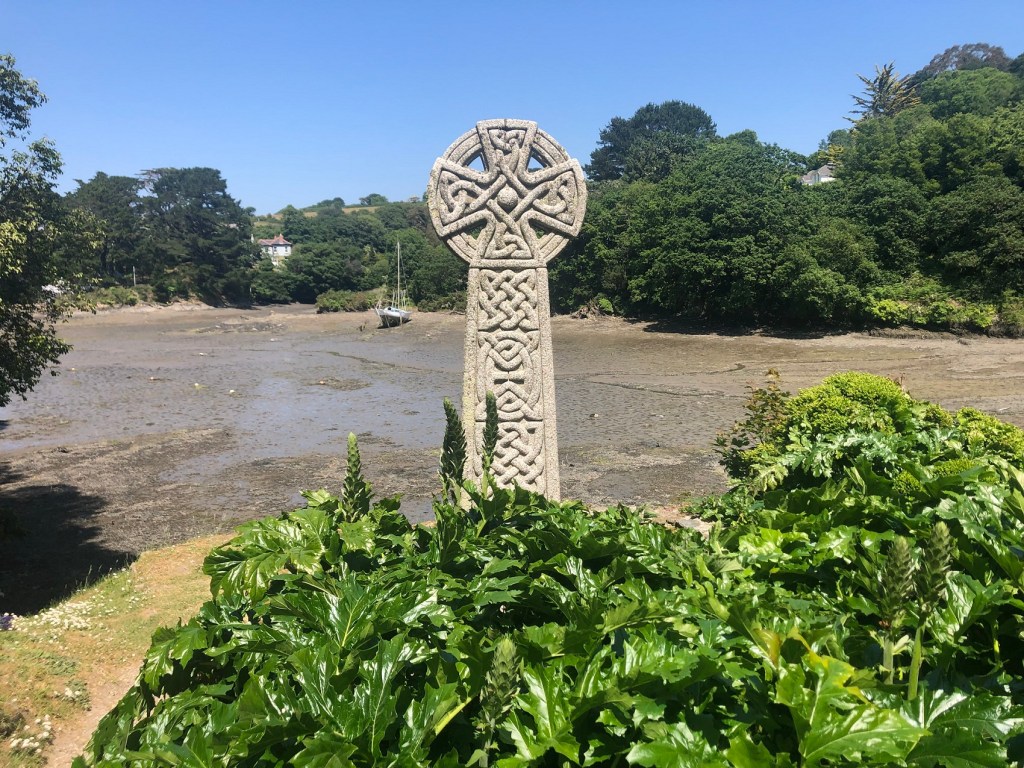
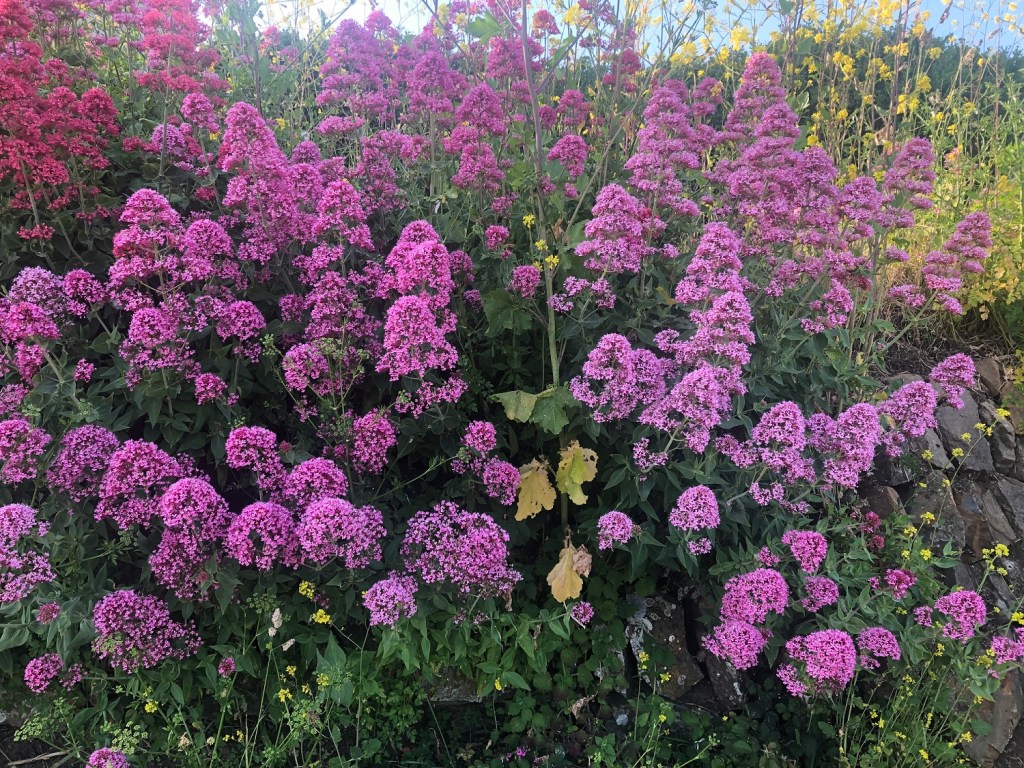
Driving down a narrow Cornish lane, we passed a small disused building. Its grey frame stood stoic and sober, a mass of ivy clinging to its walls. In places the vines had withered, leaving evidence of their pathways, like faded scars. Windows, gloomy and dark, no longer let in light. The tired roof sagged. Blocked guttering flowed with verdant waves of moss and the door, once cherry red, was sunbaked and peeling in shades of pink. The gate creaked on its hinges with the weariness of old age and on the side was a small sign that read ‘Bible Christian Chapel’.

We didn’t know who the Bible Christians were and asked some Cornish friends, who explained a little of their history. Back in October 1815, William O’Bryan, a local Methodist preacher in North Devon, had a growing desire to call sinners to repentance and see them live holy lives. Frustrated with the indifference in the church, O’Bryan began preaching in farm kitchens, on village greens and along roadsides. People became Christians and God transformed many people’s lives. However, many also encountered hardships and persecution, although it did nothing to diminish their zeal for God. Overriding joy remained the characteristic that defined them.

The work spread from Devon and into Cornwall, where one Billy Bray, a miner and drunkard, wonderfully came to know God. Small in stature, Bray was a dynamo of joy who indefatigably shared all that the Lord had done for him and the realities of what God could do for his listeners. Unorthodox in his preaching, Bray was known to spontaneously break into song or dance during a sermon. He famously said, ‘If they were to put me in a barrel, I would shout glory through the bunghole!’

Bible Christians were a small denomination that grew quickly. Missionaries spread across England and even travelled as far as North America and Australia. By the beginning of the twentieth century growth had slowed, and in 1907, Bible Christians merged with Methodist making their history harder to trace, although some still hold to the tenets of O’Bryan’s teaching.

Learning a little about the zeal of the Bible Christians reminded me of God’s pattern in establishing the early church. The Holy Spirit came and God’s Word went forth. People came to know Him; disciples grew and the gospel spread. Yet many of those New Testament churches had periods of decline and periods when God scattered their members.

We drove past the old chapel yesterday, sad that the building is no longer a place of worship for locals. So many chapels across Cornwall have closed. Passing the side door, we noticed a new broom and spade standing on the step. Is someone caring for that place? Will its ancient stones once again resound with joyous praises to God?

In the nearby town two old chapels have been recommissioned. Purchased by those who love God and desire to follow Him wholeheartedly, Christians enter to worship and pray, to proclaim God’s Word and invite others in. Was, or is, God still at work even in the decline and scattering of His church? I’m not sure, but I know that He is sovereign and continues to draw people to Himself, filling them with His Spirit, empowering them to shout glory through their bunghole, because the movement He started continues beyond Treveighan and Newlyn, even beyond our Land’s End.

© copyright Gillian Newham 2024
Contending. . .

Returning to Britain with the plan of living in this country again is a huge adjustment. After thirty years in Asia, everything here feels unfamiliar and strange. Not that we haven’t visited many times before, but finding our own place in this land presents quite a different perspective to a visit.

Life has moved forward and changed. Things do not and should not remain static, although some changes we observe leave us uneasy. Maybe they were in society before we left and we simply weren’t conscious of them. Now, they appear before us in sharp relief; signs and words that indicate people hold to fewer absolutes. Knowledge, morality and even truth in general seem to exist in relation to a changing culture, redefined historical contexts and fluid values.

There are plenty of interesting things going on in society and plenty knocking at the church’s door, seeking to undermine and dislodge it from its foundation. But the attacks that come from within the church seem the most insidious. Sometimes the attack is a slow, subtle erosion and dilution of the truth in our lives. Sometimes, in our efforts to connect with and embrace non-believers, we can compromise. Kind and lovely people, not standing fully on the word of God, can open their hearts and lives to imbibe different views, which sometimes can cause them to lose a sense of God’s truth and the authority of His word.

But these temptations never come linearly. They come to each of us from many and varied directions. Reorienting my own life to God in a different landscape, I recognise the importance of keeping my eye fixed on Him. Times do come when I long for what was, or I want to do something that runs contrary to His will. In those moments I have a choice: to bring my life into line with the teaching of God’s word. or let my ego reign as I seek to justify an unwise choice by manipulating the Bible to fit my behaviour.

I am sure God understands my predicament. After all, He is full of grace and is merciful. He does accept me as I am, but this self-willed hankering that presumes on His kindness brings me perilously close to denying His grace and mercy. God’s call to come to Him is a call to allow Him to change and transform me, not an excuse to remain as I am and let His word weaken in me.

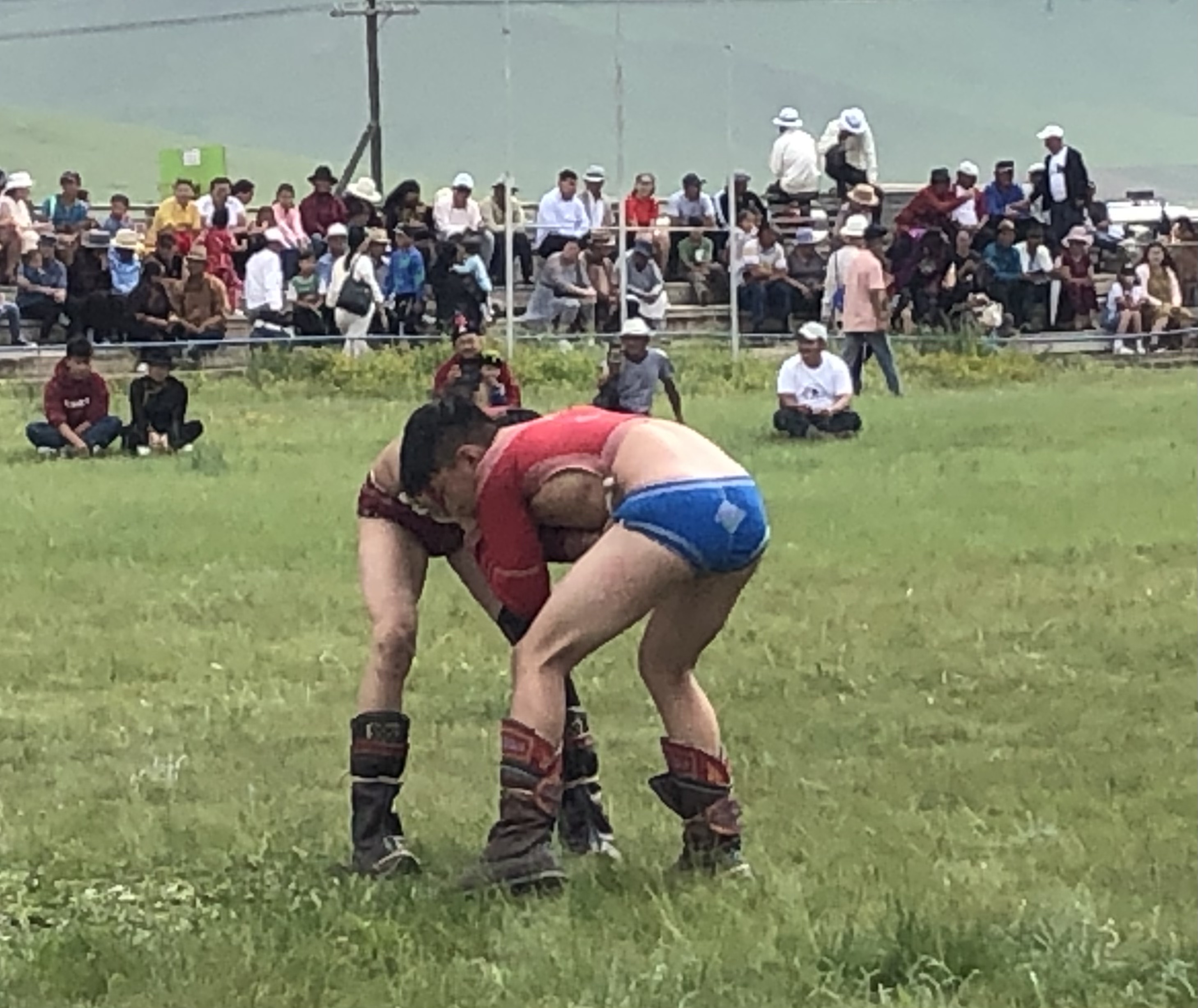
It is a tussle; I cannot sit back and take my ease. Challenges and threats that compromise my faith come from without and within. In recognising them, God exhorts each of us to hold fast to His word, to contend for the truth. This contention is not passive. Like wrestlers sparring against their opponents, it requires focused strength and commitment to oppose the shoving and pulling that life brings; courage to hold on when deep, internal hardships hint at derailment.

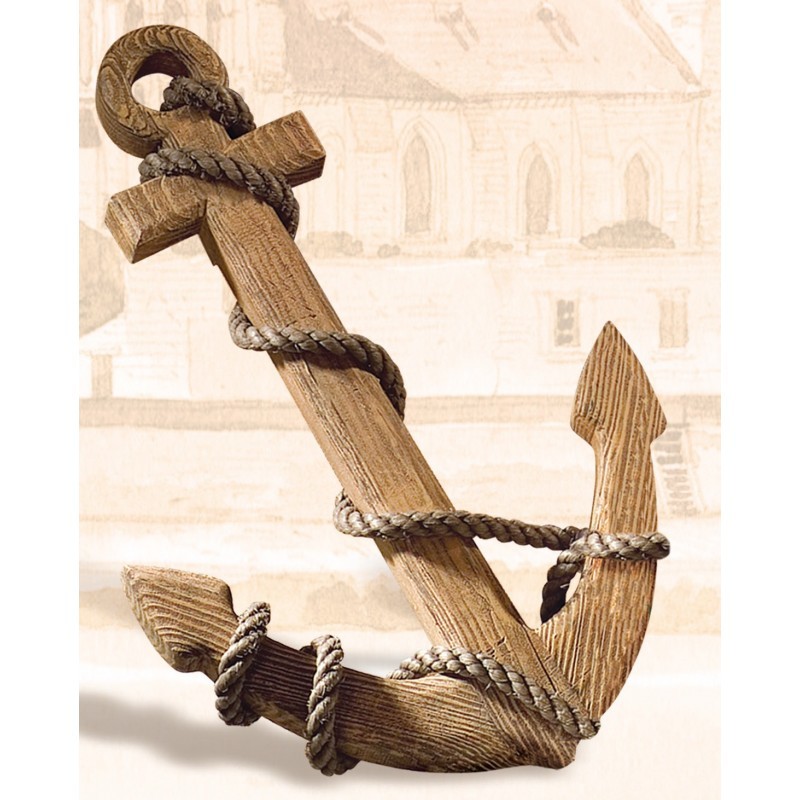
These are no blithe skirmishes, but battles that crave determination and strenuous action to grapple, resist and stand. Thankfully, we do not fight alone. God is with us, and as we remain true to Him, this grappling strengthens and grows the muscle of our faith. We get to know God better too, understanding more deeply that He is the way, truth and the life. He is Anchor that holds us firm in all of life’s challenges.

© copyright Gillian Newham 2024

Reminders. . .

This sudden parting and distance that lies between the place we called home and the people we love feels like a harsh separation. At times, it even feels like a banishment. I wonder what God’s doing. Turning towards Him, I abandon all common politeness or pretence and, in misery, rail against Him. My words run their course, ending as abruptly as they began and bring me to the realisation that this separation is no rebuke or punishment but a gentle discipline.

              Acknowledgement of the reality of this situation moves me forward. God is ordering my steps. Eyes opened, I accept the truth that uncertainties pressurise me, bringing with them a rush of panic that simply reveals the contents of my heart. It is not attractive. Distress, doubt and sin spill out, shaking my trust in our ever-faithful God. This is a humbling experience.

              Yet, beneath the pain, an inkling grows. God knows what He is doing. He knows me to the very core of my being and beyond. He knows all my secret thoughts. Nothing escapes His eye. He also knows how to stretch and mature my indigent faith.

              This dislocation and rootlessness steers me to prayer. ‘Lord. . . help!’ Simple heart-felt words, heard and answered by God with comfort and the gentle reassurance that I belong to Him. I adjust my thinking, committing my ways to Him again and placing my trust in Him, confident that He will answer my cry for help.

              He alone is my Saviour and my salvation. I will pursue His way. As I step forward, a quiet thought, unbidden, enters my mind, reminding me that God will not come in the way I imagine or want. Rather He will gently bring my desire into line with His will and what He is going to do.

              Vision reorientated, I glimpse exotic new buds amongst the dereliction of this world. God’s sovereignty and power are at work in the unexpected places of pain and destruction. His greatness and glory rise above the dust and rubble of war, disaster and the devastation of sin. My breath catches in my throat. This is beautiful. He is breathing new life into the shattered lives of those who call upon Him.

              God is reminding me that my distress is temporary and that it is an opportunity. I have a choice, to draw closer to Him or to pull away. By His grace, I draw closer. Again, He quietly reiterates His point, I must not try and manipulate circumstances to fit my longings, but rather allow Him to mould me further to His best and graceful way and will.

‘May His kingdom come; May His will be done; on earth as it is in heaven.’

© copyright Gillian Newham 2023

A Changeless Truth in a Shifting Landscape. . .

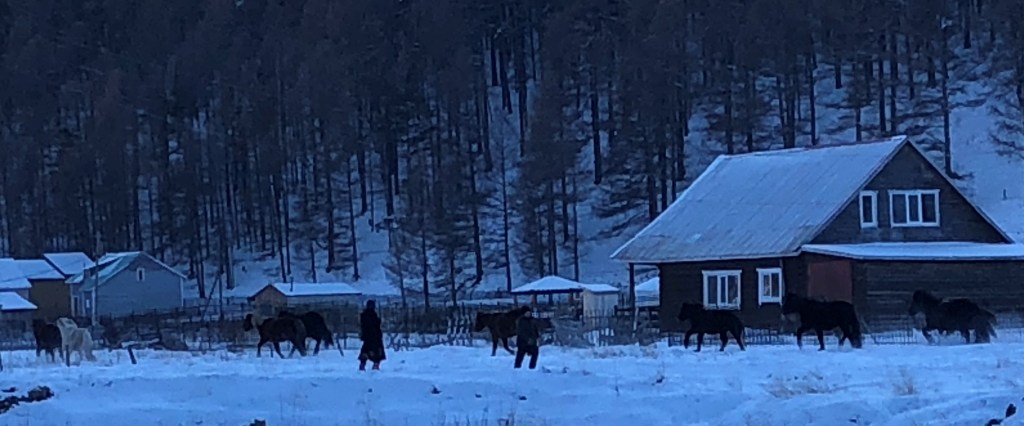
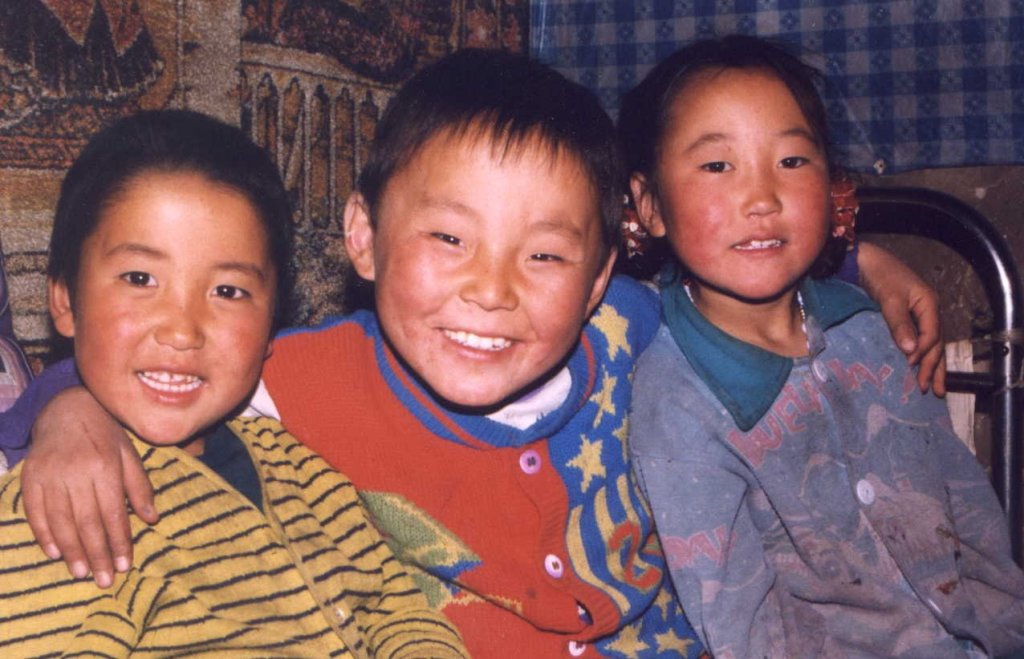
              Whoops of delight follow the Mongolian village children sliding along the frozen river. Their laughter is as bright as the sun glowing on the white landscape. Gathering handfuls of snow to rub on their cheeks, they shriek and scream. Despite the knifing cold and their apple red faces, the children revel in simple freedoms in this vast landscape.

              Of course, they have jobs to accomplish. They tend cattle, collect and prepare firewood and must carry water from the quiet springs that remain unfrozen. Their boots get wet, their toes and fingers freeze, but nothing seems to dampen their rapture and sense of fun. This is their home, their entire universe, where they have all they need.

Yet, one day they will leave and travel far away. They are nomads with naturally restless souls. Souls that desire to extend their horizons beyond the next hill, that want to see bigger, more sophisticated places. They dream of experiencing city life, of a better life, education and a good job.

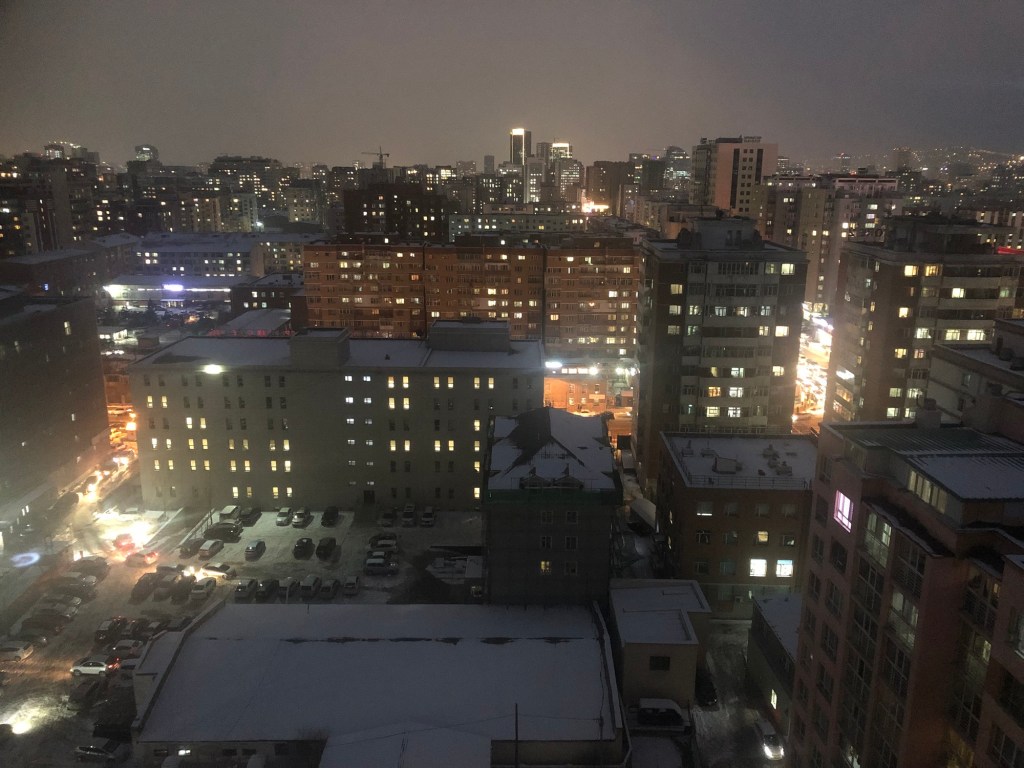
But Ulaanbaatar doesn’t always fulfil its promises. New buildings crowd the skyline, casting long chilly shadows over icy pavements. Shopping malls bustle with world brands, luring innocent buyers towards expensive purchases while, outside, heaving traffic fills the streets with toxic fumes.

Behind towering glass facades, tension and anxiety lurk. There is disillusionment and instability here. Many struggle to provide for their families and care for them well. City life seems more complex and less community minded. Even family life is starting to look different. Many are weary, tired of the empty promises and the soaring ambitions of the elite, the lack of transparency and the way they see the country’s resources plundered in spurious schemes.

With longing, countryside folk remember the tranquillity of living close to nature and the feel of the land under their fingers and feet. They remember the breeze on their faces, the bleat of the sheep and the nicker of horses, even the fact that they are known by their neighbours and there are no secrets. But it seems like there is no going back. City life has turned their thinking. By emphasising the harshness of countryside life, it leaves few with the desire actually return. When they knew no other life, countryside folk were content, but ‘knowledge’ has opened their eyes, promising happiness if they pursue dreams which take them far away.

But the city is fickle, dashing people’s hopes and pushing them towards the next step, as they seek new opportunities aboard. Even Christians, focusing their eye on the world rather than God, can get sucked in. However, some Christians, thinking more deeply, speak words of encouragement to one another: God is steady and reliable, steadfast and unchanging, an immovable anchor, our strong refuge. If we put our hope in Him, then He will not cause us to enter despair or lose our confidence. Neither will He allow the world to crush us.

In the rapidly changing world of Mongolia, Christians realise the importance of articulating the truth that God does not change, that His promises endure forever and His purposes last for eternity. There is a swell of prayer rising, a recognition that the church must intercede for the people of the nation, to stand together and let the gospel do its work of bringing God’s true, steadfast, living hope to a people whose fragile hopes lay shattered on the ground.

© copyright Gillian Newham 2023

Lifting our Heads. . .

Ripping away at my stomach, the shockwaves of loss come unexpectedly. We have left Mongolia and will not live in that land again. It’s thirty years since we first moved to Asia and it has been an amazing journey. Living with the Mongolians has brought us much joy as we’ve seen God work, although there have been many heartaches along the way too. Often, the Mongolians challenged us to the very core of our beings as God used them to broaden our perspective, deepen our love for Him and them, and shape us into the people we are today.

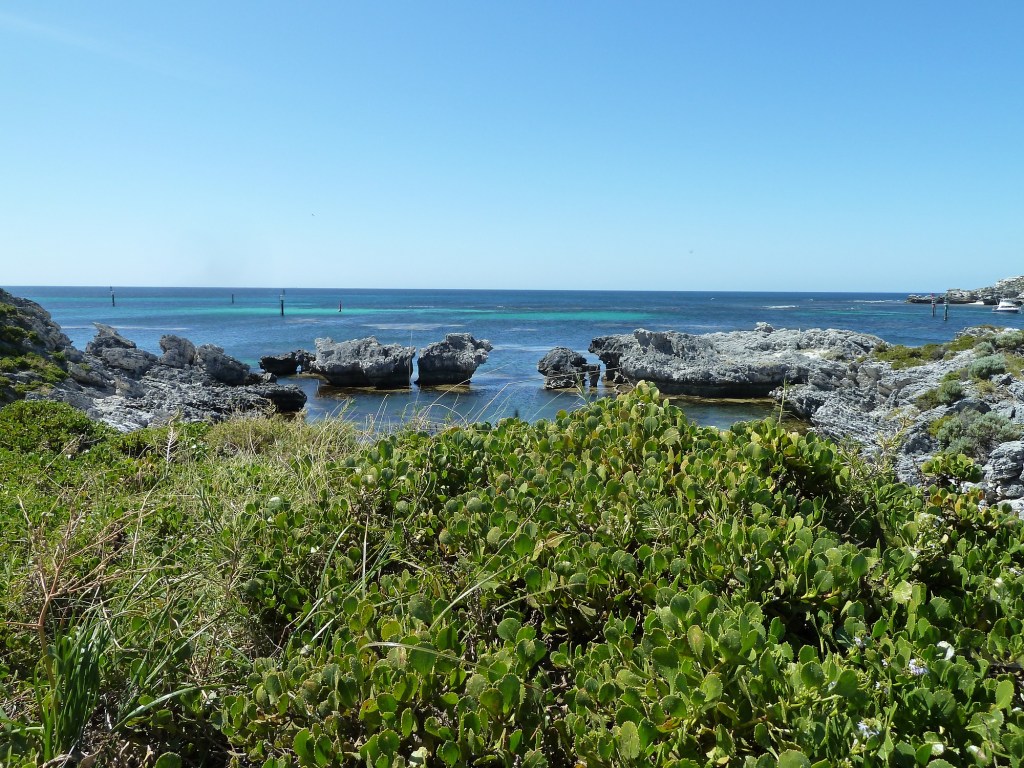
              God understands our grief and kindly gifted us space to slow down, rest and reflect before we move back to Britain. Staying in a granny flat belonging to some friends of ours, we have loved walking the coast. Most of all we have enjoyed been a part of the church community here.

The church is not large but it has a huge heart for global mission. Diverse with nationalities from many corners of the world, it is rich with language and custom, overflowing with stories that thrill our hearts and lift our heads. God is using them to remind us that there are no restrictions on the gospel. It has no native land, people or continent; His word crosses all borders.

Mongolian Christians understand this. They love their country but at heart, they are nomads, eager to travel, cross boundaries and expand their horizons. I get it too, but… would God mind if I sat quietly for a while, found my feet in a new place and, well, settled for a world that is less tangled and complex? Just now it feels too costly to be a part of His mission in this world.

No sooner are the words spoken than the answer comes. ‘God so loved the world...’ His heart is to reach every place on the face of this globe, to extend His mercy to all the corners of the world. Whether that involves me in remaining at home or Him sending us to new places, it doesn’t matter, He has called me to wrestle in intercession for the world and He will not let my vision become myopic.

Praying for the world and reaching out with the good news connects me with those who are different. Those who may or may not know God, may or may not speak my language or even look like me. It feels risky; scary too, sometimes. This life of faith, that God calls us to live, forces me out of my supposedly safe world, making me brave when I feel shy or misunderstood. Participating with God enlarges my heart, enabling me to grow and mature in Him. It also fills me with stories that testify to this: the life of faith can be lived in every place, among every people.

© copyright Gillian Newham 2023

Do you trust me?

The scripture on the calendar where we are staying reads, ‘Surely, I know the plans I have for you’ says the Lord. Plans to prosper you and give you hope’. The verse is not only on the calendar but on a wall hanging too. Coincidence? Hardly! As we make the transition from living in Mongolia to Britain, it’s a scripture people have shared with us. Of course it is true, but the context in which it is set is challenging.

              Israel was in exile in Babylon. Uprooted from home and temple, they were in a foreign land. A land of strange faces, incomprehensible language, perplexing customs and an unfamiliar landscape. A place, in short, where they would rather not be.

Dislocated and unsettled by their fierce exit, the Jews felt lost. They naturally longed for the place they called home. I can relate to their feelings. It is far easier to remain in a setting where we are comfortable, where we fit in and others understand us; staying safe in the place where we feel all the facets of our lives combine to create that sense of ‘this is my home’.

But sometimes God chooses to uproot us, or withdraw something or someone from our lives that holds us secure. Whether it’s our home, job, family or friends it doesn’t really matter, the pain of separation still leaves us smarting as we ask, ‘What is the way forward and where do I fit in now?’

              In Jeremiah chapter 29, the prophet sends a letter to the Jewish exiles, instructing them to settle in this foreign, unfamiliar land of Babylon. ‘Build houses and live,’ he says, ‘Plant gardens and eat the fruit of your labours. Take wives, have children and, seeking the welfare of the place you live, pray for it.’

Despite the loss and grief of their exile, God instructs His children to live beyond their current circumstances and find comfort and strength in Him. But change is hard and uncomfortable. In telling the Jews to build homes and follow the seasons of that place, God is asking His children to live well as members of a new country. This requires time and patience; time to build new friendships and adjust to a new environment without constantly longing for what was.

Not only that, but God loving process of transforming us involves many steps of faith and growth in our hearts. When loss overwhelms me and I can articulate my groans in some sort of prayer, ‘God, I’m trying to seek you with all my heart’, then I catch a fleeting glimpse of something more. Pushed to edge of what I think I can endure, I sense His presence, lifting me and giving me hope, faith and His Spirit to walk in His way. This aching dislocation unlocks reality to me; He does know the way. He does have a plan.

© copyright Gillian Newham 2023

Running with the horses. . .

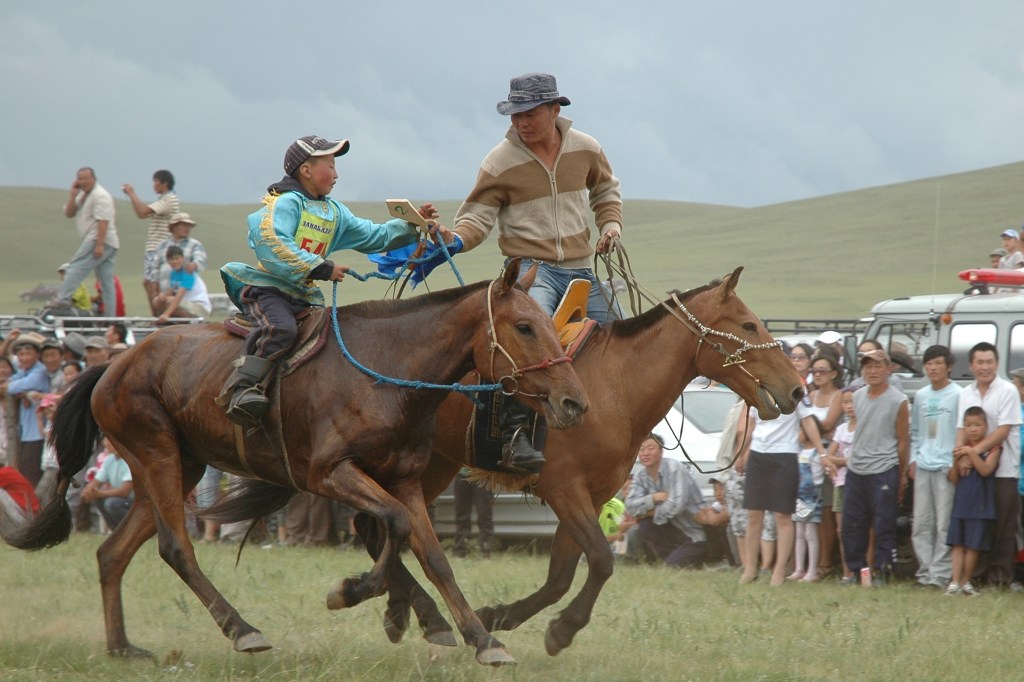
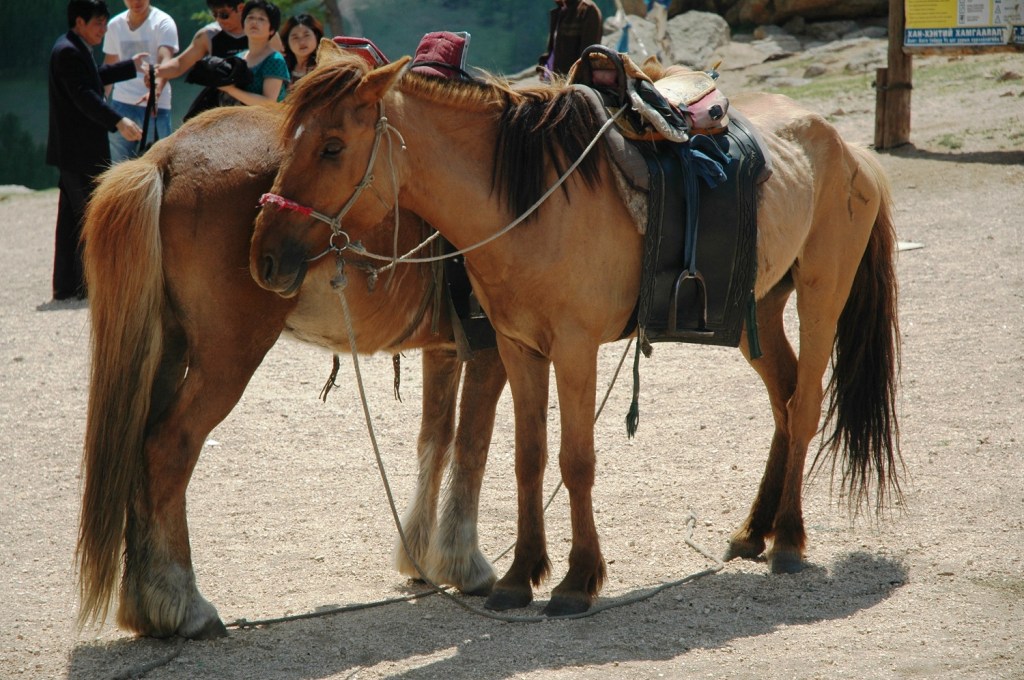
Mongolians love horses and they love horse racing. July is one of the busiest months, with every city, town and village holding its own annual Naadam sporting festival. The Men of the horses who, tradition says, ride before they can walk, eagerly work to ensure that their animals are in tiptop condition.

Jockey and horse train together. The jockeys are boys and girls aged between seven and thirteen. Until recently they rode bareback with no protective clothing, but newly introduced regulations require the rider to use a saddle and wear protective clothing.

Races are long; beating a straight path across the open steppe, they test the stamina, strength and endurance of horse and rider. Training is meticulous and starts with tethering the horse and letting it graze the richest pastureland, although the animal must not gain weight. On the third day, when the sun is warmest, the trainer covers the horse with a felt blanket and leads it up a slope to sweat out all the body’s impurities.

Each day horse and jockey run. At first, they run just a kilometre at a gentle speed. Later, as the horse settles to a regular comfortable rhythm, distance and speed are steadily increased until the horse, lean and fast, strides long, stretching every muscle in his body towards the finish line.

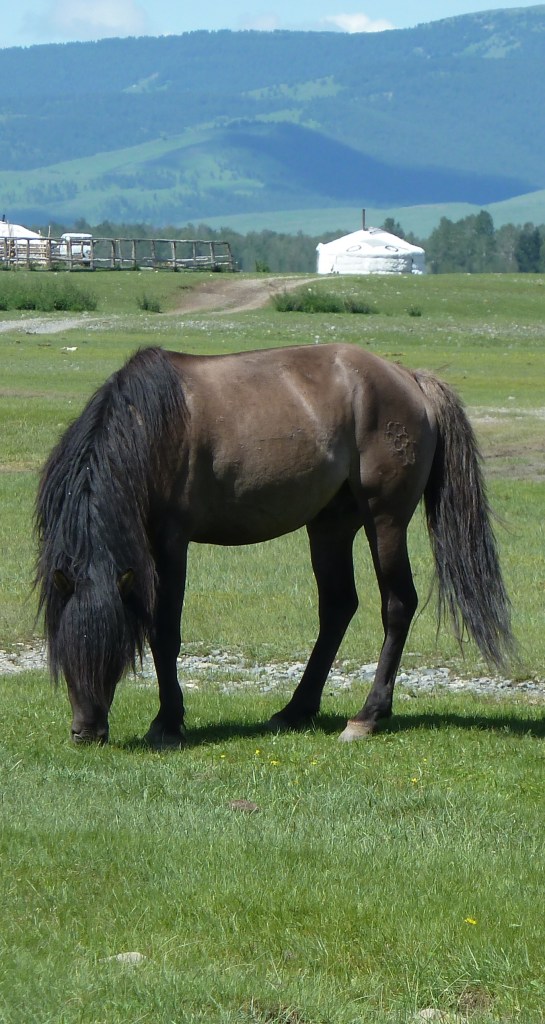
Mongolians love fast horses. Five-year-olds, known as Soyolon, are the fastest, so some regard them as the most heavenly creatures. But every horse, irrespective of age or the race that they compete in, must be a Mongolian thoroughbred.

Manes flowing, tapered heads strain forward as the horses run with the wind. Riders’ cries mingle with hoof-fall that, like giant timpani, shakes the very ground beneath my feet. Goaded and guided, they give their all, reminding me of God’s word to Jeremiah: ‘If you have run with men and they have wearied you, how will you compete with the horses?’

Running in a race is not easy, running with excellence even tougher. The race of life can be difficult, with moments when it feels too hard, and we succumb to the temptation to give up!

Not all of us are fast runners. But each of us is called to run the course marked out for us. To live at our best, relinquishing that which trips us up. Even when the way is hard, we must learn to cast aside our struggles and apprehension, and strain forward to God with a longing for wholeness and hunger for righteousness. ‘Your will, not mine,’ we cry as we allow Him to guide us. His purposes are far more than we think ourselves capable of living.

We toss and turn, even hesitate. Counting the cost, we get into training, knowing that there are no shortcuts to staying the course. We participate in what God has initiated, feeling every fibre of our being tauten. In the noise, mayhem and confusion of the race, we are neither skittish nor cautious, but we run with courage, looking to God, the author and perfector our faith, pursuing Him with a desire for excellence. We run with the horses.

© copyright Gillian Newham 2023

Still Learning. . .

Head down and gritting my teeth, I walk in this way of change. Letting go of the familiar, the obvious and seemingly secure life we’ve come to know, leaves me sad and anxious. Where is God leading us exactly and what will it look like? I wish I could answer those questions clearly. My stomach knots, reminding me, if I needed reminding, that this path is uncomfortable. Friends are kind, but some raise their eyebrows when they hear our fuzzy answers or lack of clarity, leaving me wondering whether they think we have abandoned reason.

              We have been here before, but this time feels different. Walking with the uncertainties, we are in a strange place of limbo where it’s difficult to discern the next step, let alone the future. Everything feels woolly, undetermined and ambiguous. My list of adjectives to describe our current state is long.

              In no uncertain terms I voice my struggles. This is more than I can cope with. Surely God, you are asking too much of me. A prompt rebuke follows: my focus has been on the situation and my emotions rather than Jesus. Amid the turmoil, I make a deliberate decision. Remembering who He is and what I’ve already experienced of Him and His love, I choose to put my confidence in Him and His character.

              But that’s not the end of it. Doubts still niggle as I plead my inadequacies. I am not qualified to walk this way. Doesn’t He know that His call exceeds my capacities? Whining makes no difference, other than to exact further rebukes that my grumbles, if allowed to take root, leave me in danger of avoiding life at God’s best.

              I stop and direct my thoughts towards God. His peace fills my heart as I return to the simple and yet challenging habit of fixing my mind on His truth. In the stillness, His Word fills my mind. Turning it over again and again, the Word begins to speak, gently assuring me that He is with me in the enigmas of this journey.

Friends surround us who have daring confidence in God. Many are risk takers who don’t always think about the consequences of their decisions. Some decisions work out, while others go spectacularly wrong. Largely, the Mongolians pick themselves up and carry on, sensing that God will cover their mistakes, that He will work everything out and there will be blessing.

Often, they are right and their lives articulate a message to us: Blessings come from taking steps which, at the time, feel frightening. Sudden God-directed moves towards the unknown without a clearly defined plan are life changing and enriching. Taking one step, we begin to discern God at work in the moment. Eagerly, we await His next direction, only to realise that His promise to walk with us is actually all that we need. He keeps us today and all the days that follow.

© copyright Gillian Newham 2023

Living Stones…

My mind often wonders in obscure directions making connections that others don’t easily see but which seem obvious to me.

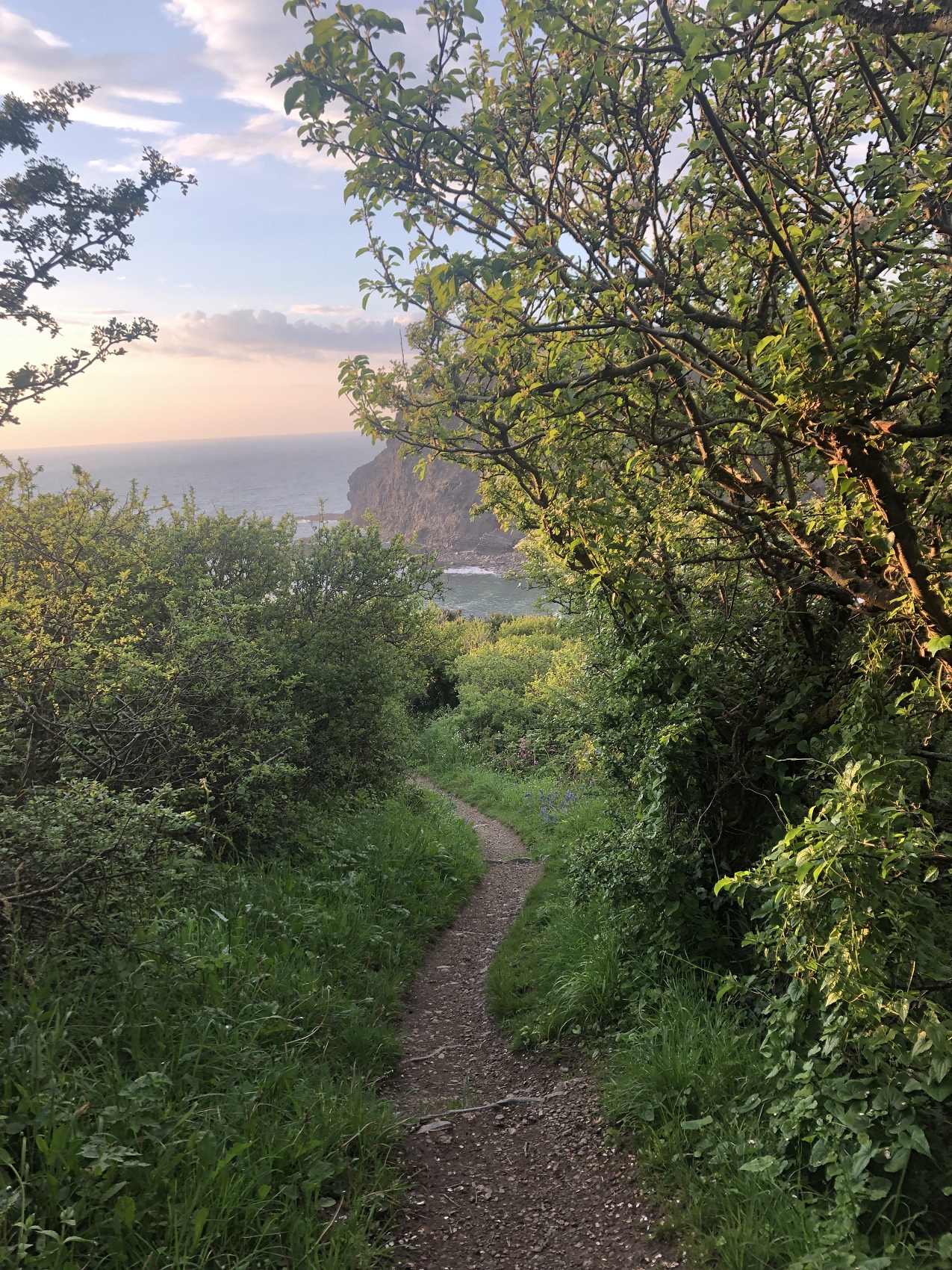
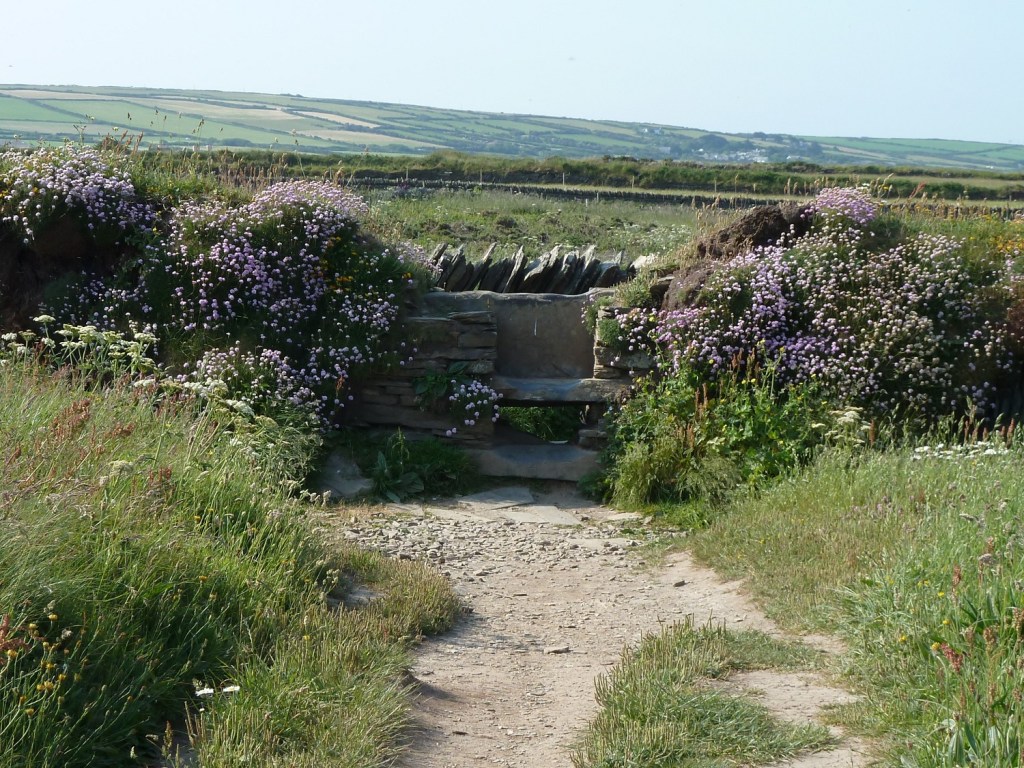
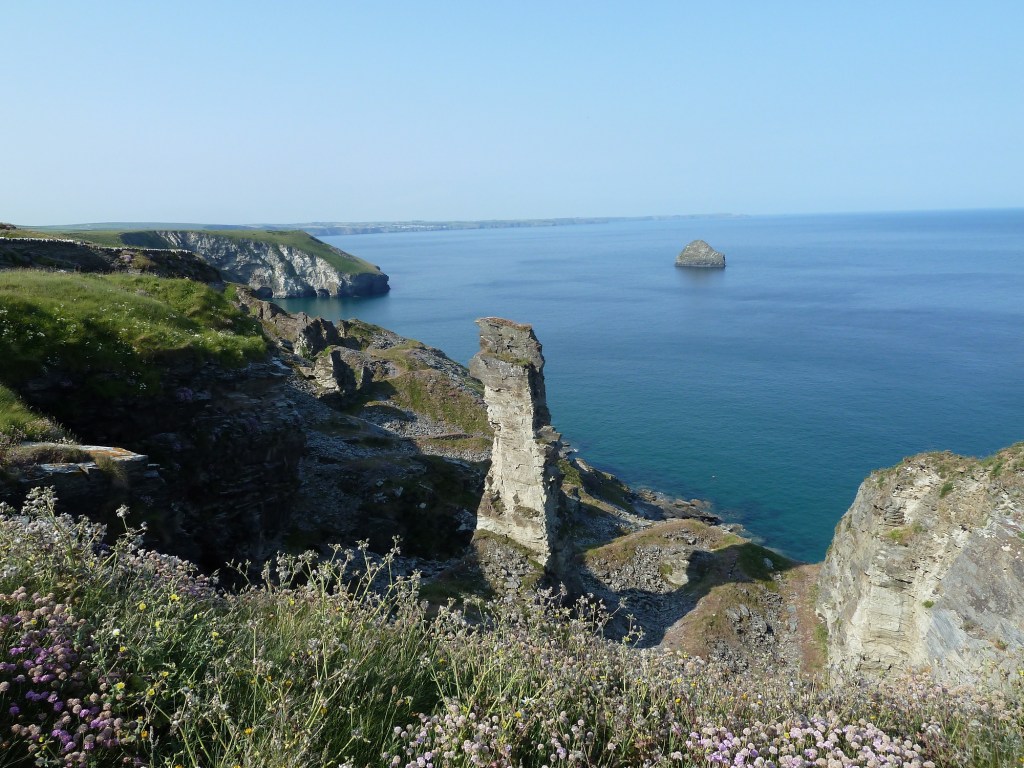
We are in Cornwall for a few quiet days before we head back to Ulaanbaatar. Taking time to walk the coast path, I find myself intrigued by the slate wall with their herringbone pattern. Known locally as Jack and Jill walls, they edge the north Cornish coast. The walls, forging snake like paths of kinks and bends across the landscape, mark boundaries and guard exposed fields against the thrashing Atlantic winds.

              The walls bear testimony to a time when quarries worked the north coast. Long since abandoned, all that remains are rock pinnacles and a sea of discarded slate fragments, thousands of which form the bulwarks that protect the land. The walls are effective, but they also possess an intricate beauty of their own that reflects the ancient tradition of stonewalling practiced over centuries.

              Building a dry-stone Jack and Jill wall takes care and precision. Each slate must be flat and carefully chosen to ensure that it fits in its place. But before construction begins the craftsman must lay a solid foundation, from which all other stones are anchored, positioned and lined up. Laying those foundation stones correctly ensures that the wall endures and stands strong.

              The Cornish often build two parallel walls to border fields, with earth infilling the centre. This is the Cornish hedge. As nature takes its course, the hedge teems with brimming life. Tiny animals burrow a home into the central earth infill. Wildflowers surge between stones, turf and gorse root a bed of soft capstones until the entire wall, every nook and cranny, becomes clothed with verdant diversity.

              It is a beautiful picture filled, in my mind, with parallels of the church and its life. We are a building built from fragments, all different sizes and shapes, some misshapen, all blemished yet lovingly laid and angled by a master craftsman upon a firm foundation that does not move.

              Our Foundation stone, Jesus Christ, keeps us, holding us in balance, interlocking our lives with His and one another’s, reminding us that we cannot flourish alone. He created us to share life, to be interdependent. This world can be an inhospitable place where we can find ourselves exposed to wild elements and relentlessly battered by a sea of challenges. Alone, we are like a single slate fragment, flaky and more vulnerable. Together, we are stronger and can live through all the seasons of life.

              Naturally, stones do not live. They do not move; they cannot change and they do not learn. But we are founded on the living stone, a cornerstone far greater than ourselves that fills us with life, enabling us to grow, learn and be changed. God is building us into a spiritual house that proclaims the excellencies of our foundation.

              The Cornish hedges teem with life. They are not tidy or well-manicured. Plants tumble over themselves in a riot of greens and colour, drawing insects, birds and small animals. Each comes to feast on the abundance of life. The hedge thrives. Precious and life-giving, a picture of God’s heart for the church in our place – loved, affirmed and as beautiful to Him as He is beautiful to us.

© copyright Gillian Newham 2023

Inadequacy. . .

‘See if you agree with the notice in the toilet,’ said the friend I was meeting for coffee in Liverpool. I ventured into the café’s ladies’ toilets. The notice, stuck on the wall next to the light switch, read something like: Whatever happens today, within myself I have the strength and ability to deal with everything. I know that phrase was meant to encourage and give confidence to those who were struggling, but it didn’t work for me. I looked in the mirror, exhausted, emotions scattered, aware of my fears and the discs in my back that refused to stay in line and smiled. I alone have the ability to deal with all that life throws at me? No way!

Once, my bold young self might have agreed with that statement. I remember arriving in Mongolia full of assurance and determination – thinking I had the answers to people’s problems. It took a while to realise that God had already been working there long before we arrived on the scene and actually didn’t require my help.

Subtly, I boasted in the glories of what I had done, rather than what God was doing. Bragging about the dogma of my pet Bible beliefs, I remained ignorant of the realities of God’s truth. I measured my value by my performance, unaware that yet-to-be-sanctified parts of my nature remained firmly squeezed into the world’s mould.

Thankfully, trouble and failure halted me and illuminated my misplaced faith. They enabled me to face my inadequacies, realise my need for others and face my absolute need of God. Less sure about everything, I accepted the truth that I was still a beginner and am still just catching the edges of His ways.

Physical and emotional weakness is part of my life experience. Admission of such to God qualifies me to receive His ongoing love and salvation. These genuine experiences of His love do not elevate self, rather they display my insufficiency and God’s power. Everyone knows my frailties but, if they see something of God in me, or hear His Word from my mouth, then they realise that He chooses to use frail vessels. Not that I glory in my fragility. There is no glory there, but there is glory in the abundant adequacy of Christ.

It is a paradox: When I am weak then I am strong. Not knowing what to do or how to help myself or another, I call out to God, asking Him for wisdom and strength, which He gives. I have no confidence in my own wisdom, no trust in my own opinions; for that I am learning to rely on another. Dependency upon Him is God’s objective. True, I am an unworthy servant, but I am also a beloved child of my heavenly Father. His Spirit, who resides in this cracked pot, enables me to face each day knowing that He will keep me steady.

© copyright Gillian Newham 2023