
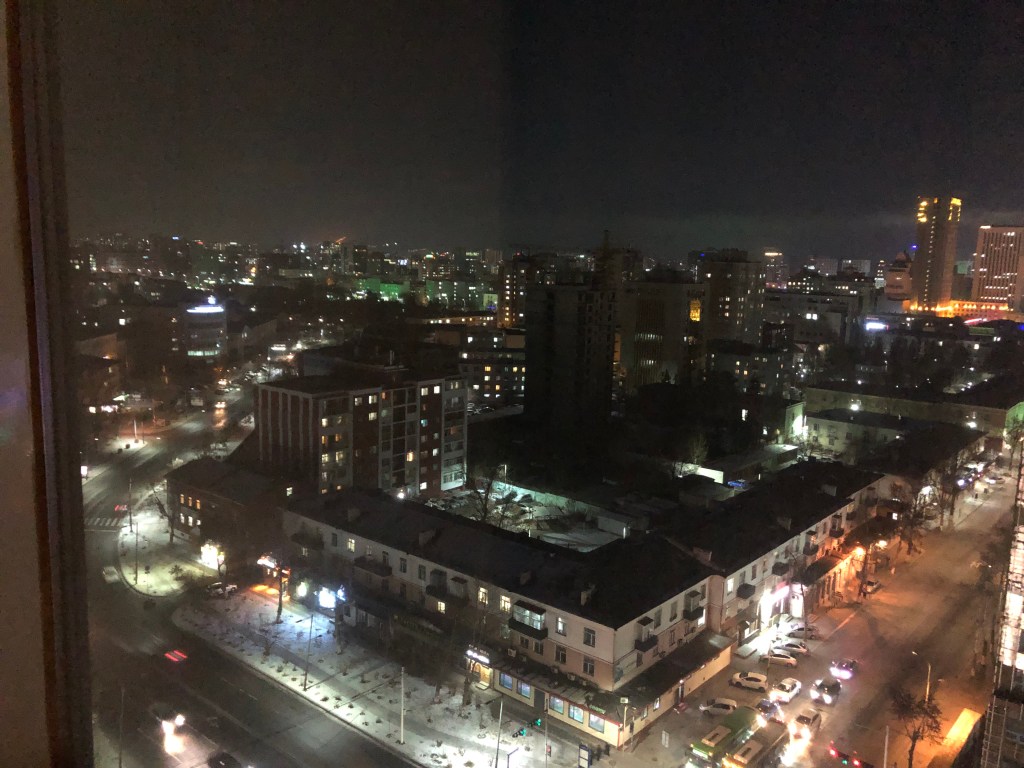
Returning to Mongolia just over a week ago, we spent three nights quarantining in a hotel. From the thirteenth-floor, we observed life on the streets below. Cars nosed in front of one another, jumping into gaps and overtaking on bends, while others screeched to a halt as pedestrians stepped off the pavement. ‘Metallic horse’: that’s what some of our friends call their cars. As we heard the roar of engines of young night drivers racing around the inner ring road, it seemed an apt description.
Ulaanbaatar is a changing city. Some changes are obvious, others more subtle. This city is expanding. Blocks of flats and offices rise across the skyline and work to finish projects continues. It used to be that Mongolians didn’t do outside building work during the winter but that’s changing too. On the unfinished building opposite our hotel, wielders work long days fixing a metal framework ready for cladding.
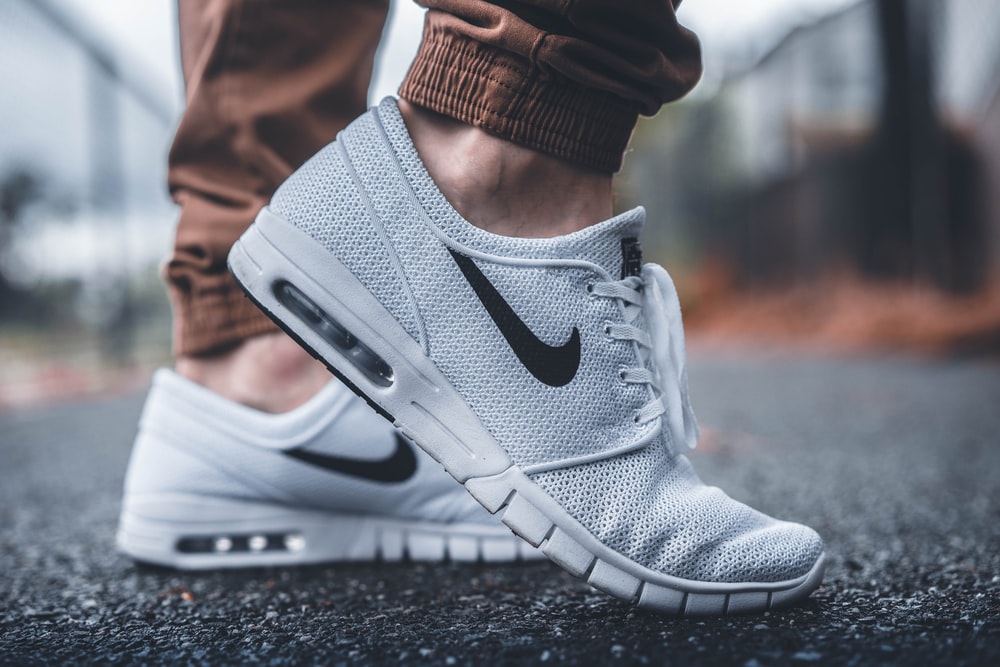
People on foot, wrapped in thick winter coats, hats and gloves, trudge the streets. Starting early and working late, they pass hoardings advertising the latest smart phone and must-have trainers. Large billboards offer loans to secure your happiness, while private education institutes promise a good education will guarantee your future success.
Education is good and there is nothing wrong with enjoying the nice things in life. The danger comes when the supposed good chips away at something more precious.
Mongolian society has been, and still is, communal. Families are close, not necessarily because people think about it, but because it was the way things were and still are. But a new model is emerging alongside the traditional one that keeps on saying ‘Me first.’ Perhaps it’s not so new, just that age old selfish impulse becoming more dominant as it seeks to permeate everything.
It’s even filtering into the church, as people comment, ‘this church has nothing for me.’ That is not so surprising, since our biggest problems often centre around grabbing what we can for ourselves. I am ashamed of my self-centredness and acknowledge my need to repent. Thankfully, Jesus, through His Father’s salvation, took the curse for all my me first-ness.
The gospel really changes everything, although it’s not over the minute I become a Christian. It’s constantly allowing God’s salvation to work in my heart. Thankfully, I am not alone. The gospel creates a new community of believers which the Bible calls a city; a city set upon a hill whose ancient torches, lamps and fires lighten the darkness. The light is attractive, drawing, but also, sometimes, repelling as it exposes the hidden things.
Living in a city, or in a community, isn’t easy either. It can be uncomfortable, irritating and, at times, feel impossible. However, the basis of God’s community is different. Everyone in it has experienced His forgiveness and desires to give, not just receive. And no matter how painful the reality is, we cannot be a city by ourselves.
Neither can we be that community, the church, without His help. By looking to Him and allowing Him to direct us, we can choose to live generously and well. As we do that, something of the unity we experience in the church touches those outside. And hopefully, they gain a desire to know who we know. Because that One came and redefined true life, success and contentment and the only requirement to participating in this fulfilment is to keep on putting Him first.
© copyright Gillian Newham 2022
 Nomadic Pages