‘Where’s the breakfast cereal?’ we asked the sales assistant in our local supermarket. Nonchalantly, pointing straight ahead, she told us it was on the right. We followed her directions, only to find aisle upon aisle of ‘on the right’ options none of which stocked anything remotely resembling breakfast cereal. Mystified, we stood in the middle of the shop and asked another assistant. She motioned towards the back wall where the baby items were, and sure enough, next to the Pampers and wet wipes was a small selection of breakfast cereals.
We smiled, reminded of the obscure directions we’ve received from countryside Mongolians. A herder on horseback or someone in a ger would usually answer our inquiries with the vaguest of explanations, like ‘it’s over the next hill.’ Cresting that next hill, we’d find yet another with no sign of our destination. Or invariably we’d hear, ‘just keep to this track and you can’t miss it.’ But when the track divided and headed up valleys and into the woods, or the river bridge was barely standing, we invariably did miss it.
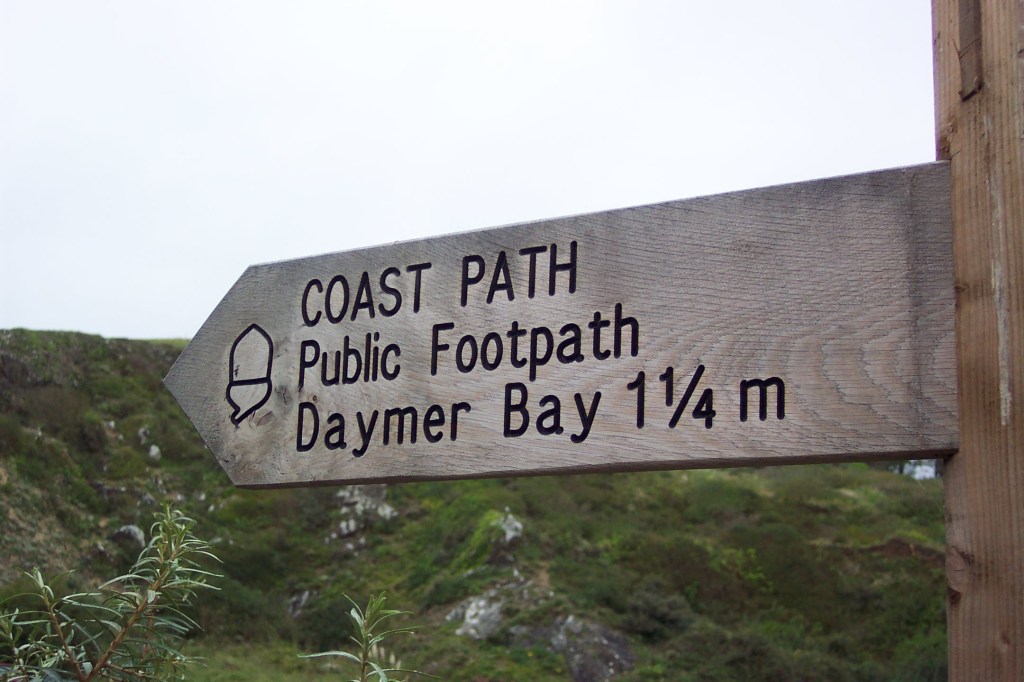
Even signage on tarmacked roads appears sparse to our western eye. Mongolia has been extensively mapped, although few, other than city-dwellers, use paper or digital maps. Historically, Mongolians have drawn artistic, pictorial maps which tend to enhance particular landscapes. Beautiful they might be, but rarely were they drawn to scale.
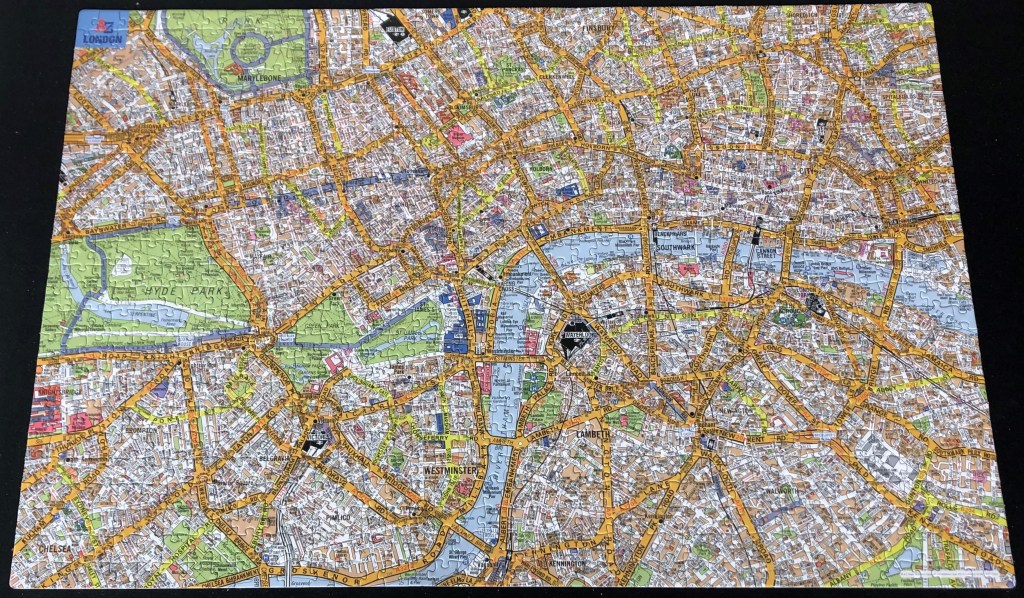
To the map-addicted English, of which my husband Mark is one, a reliable map is considered essential for any journey. Whenever we intend to visit a new area, Mark purchases an Ordinance Survey map to study and plan our route or walks. The map not only details all roads and paths but it also shows where car parks, cafes and, more importantly, the toilets are.
Map reading the English way feels comfortable. We can see the whole path, know what’s coming up next, and be aware of the rights-of-way and boundaries. Following all the signs, we feel like we’ve got this sussed. Whereas trying to follow a Mongolian’s direction or a Mongolian map is much more of an adventure, an exercise in faith, full of uncertainties and missing river bridges. On occasion, feeling disorientated and lost, we’ve convinced ourselves that we’ve wondered off the path.
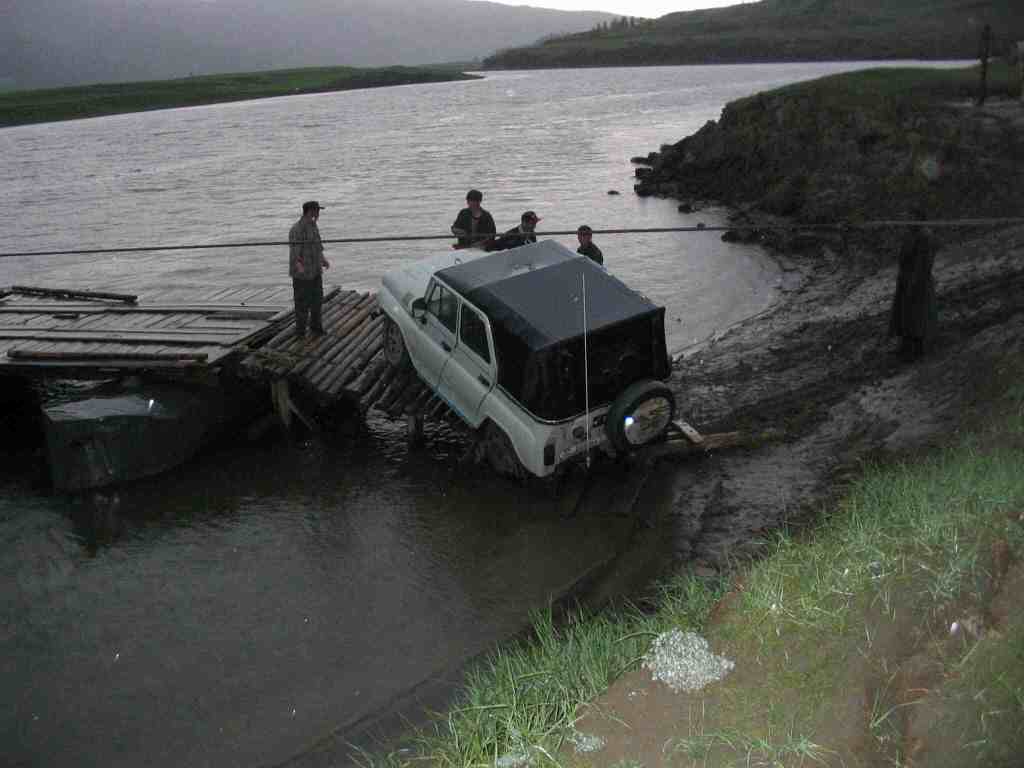
Life seems to be like that Mongolian path. It rarely follows the neat map of my desires and plans. Instead, the way is unfamiliar with unexpected, unplanned for things happening. Sometimes the way passes through bleak, stormy landscapes, while at others it follows calm still waters. I cannot know the details of my journey, or peek into the future. I’m not even sure what might happen today, and that can leave me tossing and turning. But my ambivalence is an opportunity to trust. For I have a personal guide: a God who not only walks with me but leads me better than any GPS. He calls me to listen, trust and follow His Word. To entrust myself to Him and take the next step, assured and confident that He will guide me through the ups and downs, twists and turns of life, safely to my destination.
© copyright Gillian Newham 2021
 Nomadic Pages