Lockdown changed the pattern of our lives, limiting our movements and activities. Personally, we didn’t mind, although we quickly started missing seeing friends and we still long to meet with our church family here. Others, we know welcomed the opportunity to spend more time with their families and tick jobs off their ‘to do’ list.
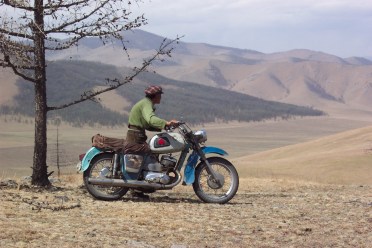 But as the weeks turned into months, frustrations which normally lay buried beneath our busy schedules, began to surface. Restlessness grew. Loneliness and anxiety replaced joy, fuelling uncertainties that wearied souls. Some wondered whether they’d stumbled into a desolate foreign wasteland while others, conversely, savoured the isolation.
Whether we benefitted from the lockdown or not, the reality is we’ve all experienced bleak moments when feelings of abandonment have overtaken us. We may well be isolated or alone, but the reality is: God is not absent. As David of the Psalms so clearly demonstrated, feelings of forsakenness and depression should make us cry out to God. With Him, we can freely share all our doubts and fears. It is far better to speak them out than to let them become rooted in our hearts and minds. Speaking them out can sometimes bring clarity too, as the deceptions we’ve believed are exposed and the order of our minds begins to be restored.
We must listen to our heart, although we must not allow it to lead us into error. We must learn to take ourselves in hand, remembering that God is constant, that He is everywhere and never changes. While we listen to our heart, we do not stop there. We also seek to recognise and understand why we feel as to do, to uncover the underlying motives that drive us.
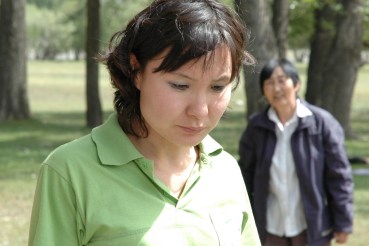
In despair David asked himself, “Why are you cast down, oh my soul?” I too with unblinking honesty must ask what causes me pain and discontent. Does my disappointment highlight the fact that I’ve placed my hope in something transitory rather than eternal? Or does it reveal the falsehoods that mingle themselves around my faith in Christ? If God loved me and was in control, He’d answer my prayers. If only I had stronger faith then life would be fine, and so it goes on. Recognising the lies that bind my mind, I must learn to speak God’s truth to myself. David told his soul to hope in God.
Distress and despair come to us in all shapes and sizes. With one blow it can knock us to the ground, or slowly, insidiously sabotage the foundations of our faith. At such times, we must do as David did. We must tell ourselves to hope in God. Even though we might not feel like it, even though we cannot see an end to our pain, we must speak God’s truth to ourselves. Because the day of praise, the day of joy will surely return. God is merciful and He does answer our prayers. He will return for us, and we will not be disappointed.
© copyright Gillian Newham 2020
 Nomadic Pages